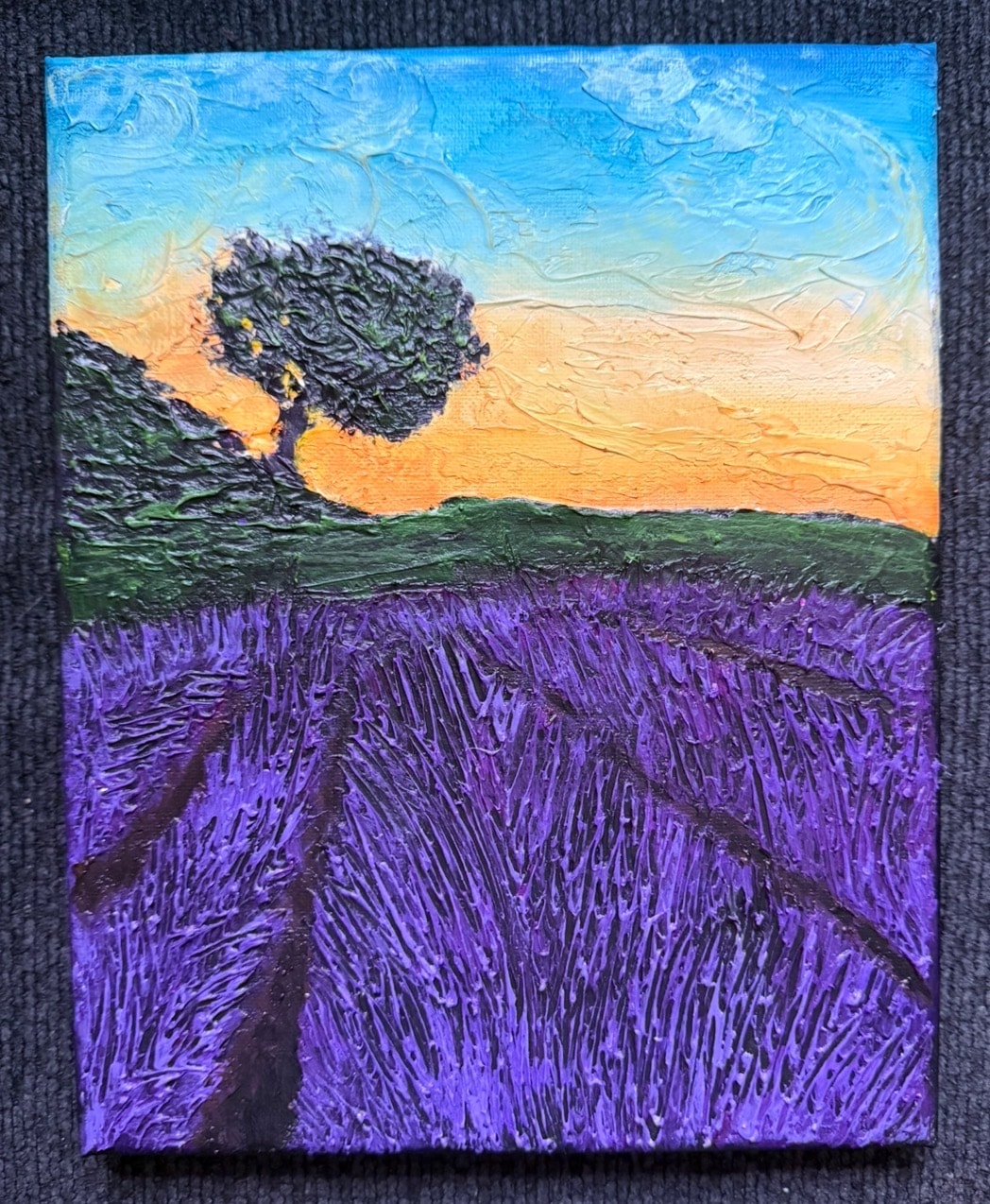
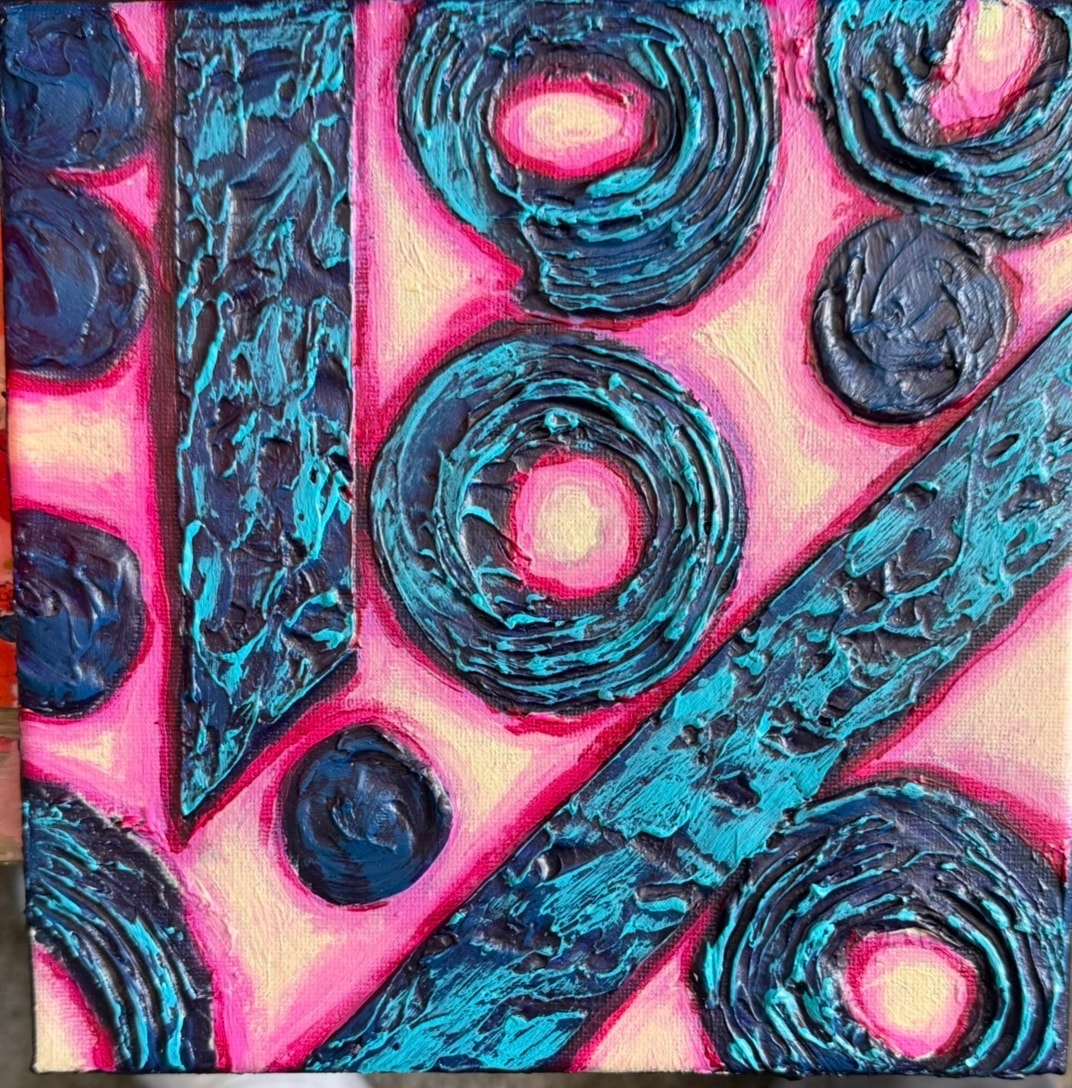
Texture Painting vs. Regular Painting: Why Photos Never Tell the Whole Story
A texture painting and a flat painting look similar in a photograph. In person, they're completely different objects. Here's exactly what you're missing in the photo — and why it matters before you buy.
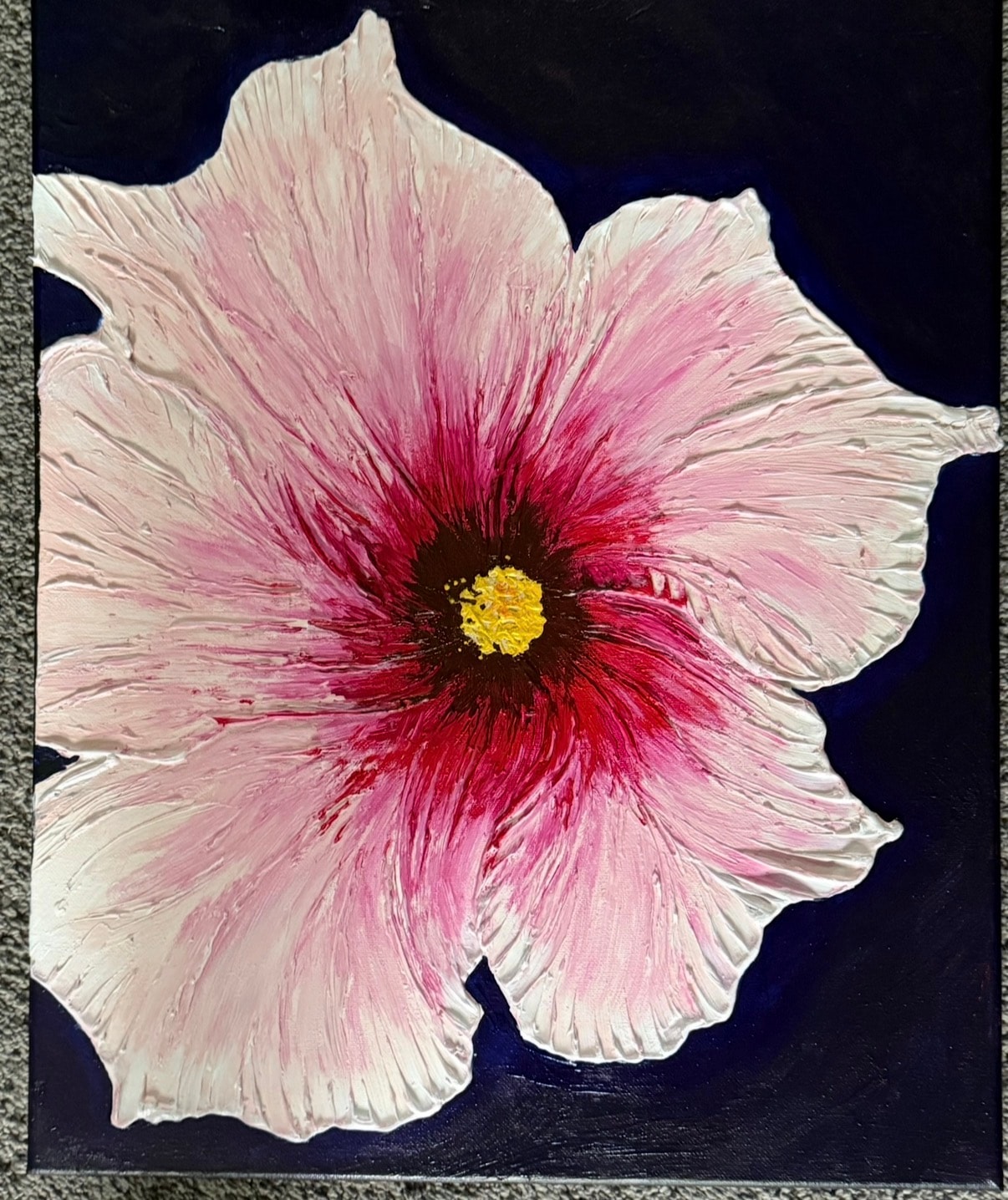
Texture Painting vs. Regular Painting: Why Photos Never Tell the Whole Story
Here's a question worth asking before you buy any textured painting online: what am I actually seeing in this photo?
The answer, in most cases, is less than half of what the painting actually is.
A photograph of a texture painting is a flat image of a three-dimensional object, taken in one light, from one angle, at one moment in time. It captures the color. It suggests the texture. It does not — cannot — show you what the painting actually does in a room.
This post explains exactly what you're missing, why it matters, and what to look for when buying a texture painting online.
What a Photo Can Show
A well-shot photo of a texture painting can show you:
- The color palette — accurately, if the photographer has calibrated their white balance
- The composition — the arrangement of elements, the focal point, the overall design
- The presence of texture — that the surface is not flat, that there are ridges and peaks
- The subject — what the painting depicts
These are real and useful things. A good photo gives you enough information to know whether a painting is worth investigating further.
What a Photo Cannot Show
Here's what disappears the moment a three-dimensional painting becomes a two-dimensional photograph:
1. The Actual Depth of the Texture
A photo collapses depth. A painting with 1mm of surface texture and a painting with 8mm of surface texture can look nearly identical in a photograph taken in flat, even light.
The difference in person is enormous. An 8mm caulk texture surface casts real shadows — shadows that are visible from across the room, that shift as you move, that change as the light changes. A 1mm texture surface is barely perceptible at normal viewing distance.
You cannot judge texture depth from a photo. You can only judge it from process documentation (before-and-after photos showing the texture stage) or from the artist's description of the medium and technique.
2. How the Painting Changes in Different Light
This is the biggest thing photos miss — and it's the most important quality of a serious texture painting.
A flat painting looks the same in morning light and evening light, in direct sun and overcast sky, from the left side of the room and the right. The image is fixed. The light changes, but the painting doesn't respond.
A texture painting is different. The raised surfaces catch light from different angles as the light source moves. Shadows form and shift. Areas that were bright become dark; areas that were recessed come forward. The painting is genuinely different at different times of day.
A photo captures one moment. The painting you hang on your wall will show you something new every time the light changes — and that's something no photograph can communicate.
3. The Physical Presence
There is something that happens when you stand in front of a painting with real dimensional texture that doesn't happen with a flat canvas. Your eye registers the depth before your brain processes the subject. The painting has physical presence — it occupies space in a way that flat art doesn't.
This is impossible to convey in a photograph. It's one of the reasons serious collectors who buy texture paintings online often describe being surprised by how much more powerful the work is in person than in the listing photos.
4. The Tactile Quality
You're not supposed to touch paintings. But the knowledge that you could — that the ridges are real, that the petal forms are physical objects, that the bark texture would feel like bark if you ran your finger across it — changes how you experience the painting visually.
A photo of a texture painting is a picture of an object. The object itself is something different.
What to Look For When Buying a Texture Painting Online
Since photos can't show you everything, here's what to look for instead:
Process documentation. Before-and-after photos showing the texture stage before painting begins are the clearest evidence of genuine dimensional depth. If an artist can show you what the white caulk or paste surface looks like before painting, you can judge the actual depth of the texture.
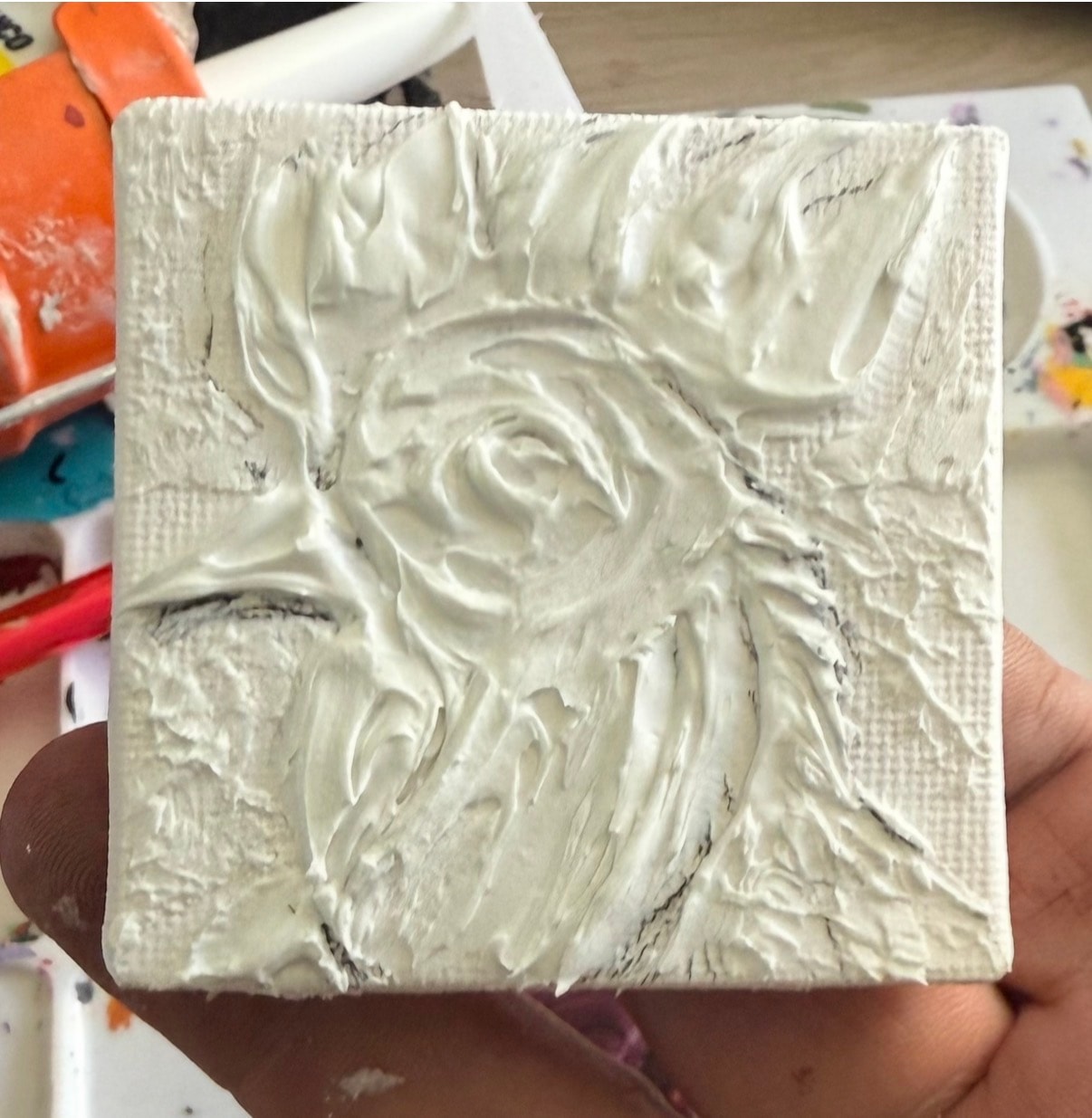
This is what a Jay the Painter original looks like before any paint is applied. The depth is real and verifiable.
Raking light photos. A photo taken with light coming from the side — raking light — shows texture depth far better than a photo taken with flat, even light. If an artist's photos all use flat lighting, ask for a raking light shot.
Video. A short video of someone moving the painting in front of a light source shows the shadow movement that photos can't capture. Ask if the artist has video of the piece.
The medium. Ask what the artist uses to build the texture. Flexible caulk, modeling paste, and heavy gel medium all behave differently and have different depth ceilings. The answer tells you how deep the texture can actually go.
Collector reviews. Look for reviews that specifically mention the in-person experience — "better than the photos," "more dimensional than I expected," "the texture is incredible in person." These are the reviews that tell you the photos are underselling the work.
Jay the Painter: What the Photos Don't Show
Every painting in Jay's gallery is photographed as well as possible — but the photos still don't show you everything.
What they don't show:
- The caulk texture in his forest paintings stands 5–8mm off the canvas. The bark ridges cast real shadows that shift as you move past the painting.
- The petal forms in his florals are physical sculptures. Each petal is a separate caulk form, shaped before painting began.
- The feather texture in his rooster portraits is built quill by quill in caulk. The finished painting has a surface complexity that no photograph captures.
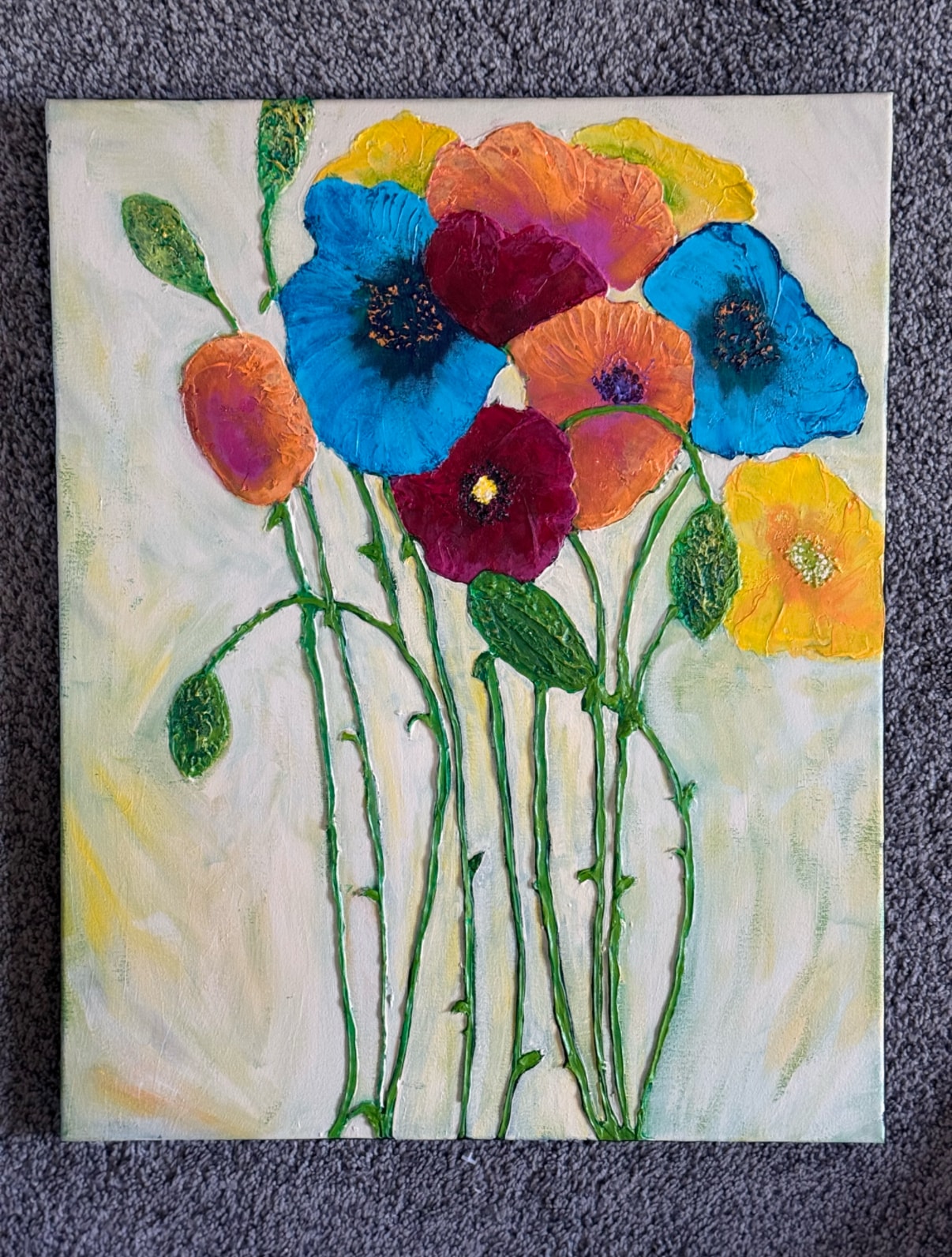
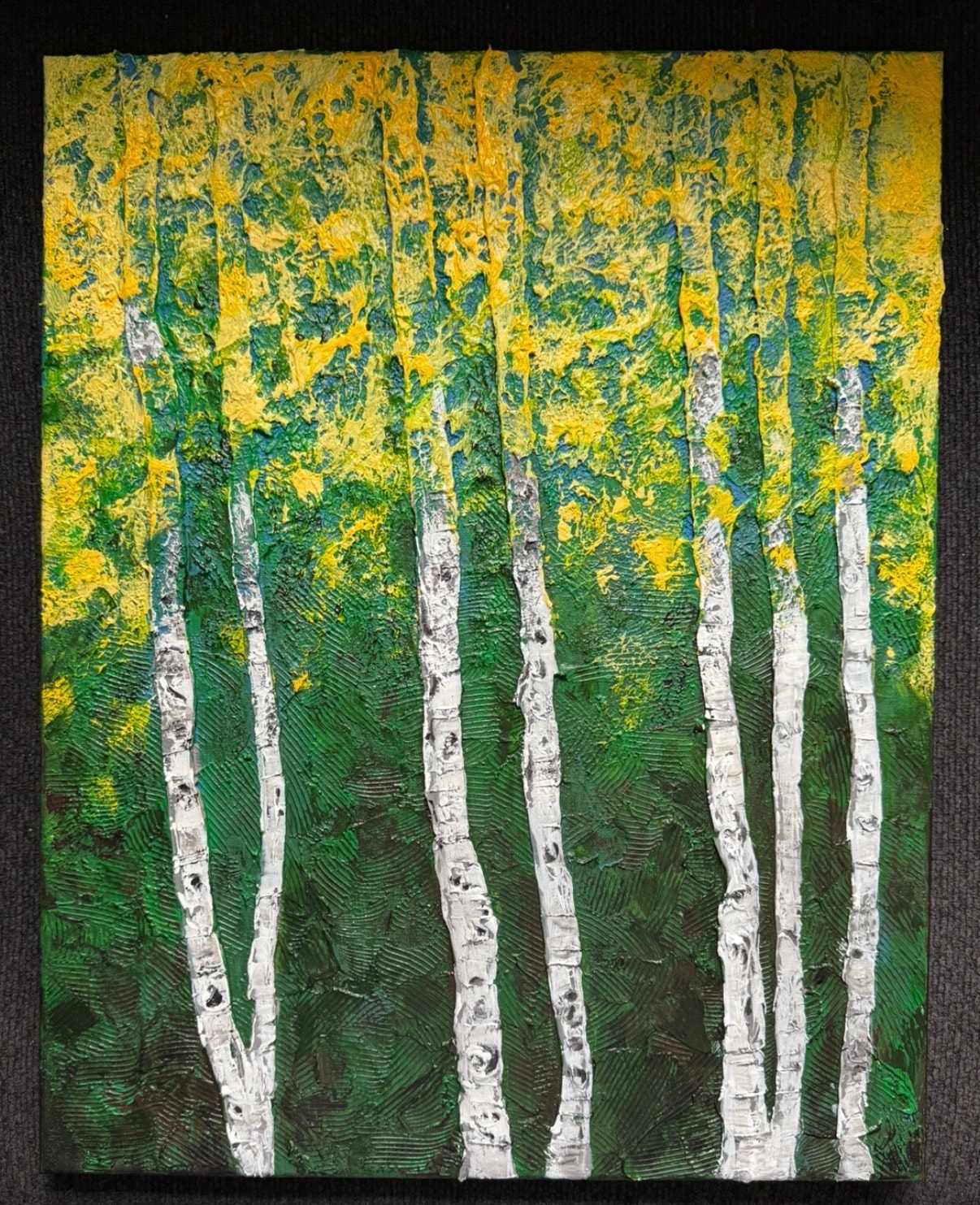
The process documentation tells the real story:
- Rooster: from white caulk sculpture to finished painting →
- Butterfly: from white caulk sculpture to finished painting →
- Blue Forest Path: three stages →
Ready to See for Yourself?
Every painting ships free. If it arrives and the texture isn't everything you hoped — text Jay. He stands behind his work.
Browse the full gallery → | Browse mini paintings from $40 →
Questions about a specific piece? Text Jay at 330-285-3136.
What is caulk art? → | Why caulk texture paintings look different in person → | How to evaluate a texture artist's portfolio →
Jay the Painter — original caulk art and caulk texture paintings from Akron, Ohio. Dimensional texture. One of a kind. Free shipping.