Caulk Texture Painting
A unique technique where flexible caulk builds real three-dimensional structure on canvas — before a single drop of paint is applied. The result is a painting with sculptural depth that no print can replicate.
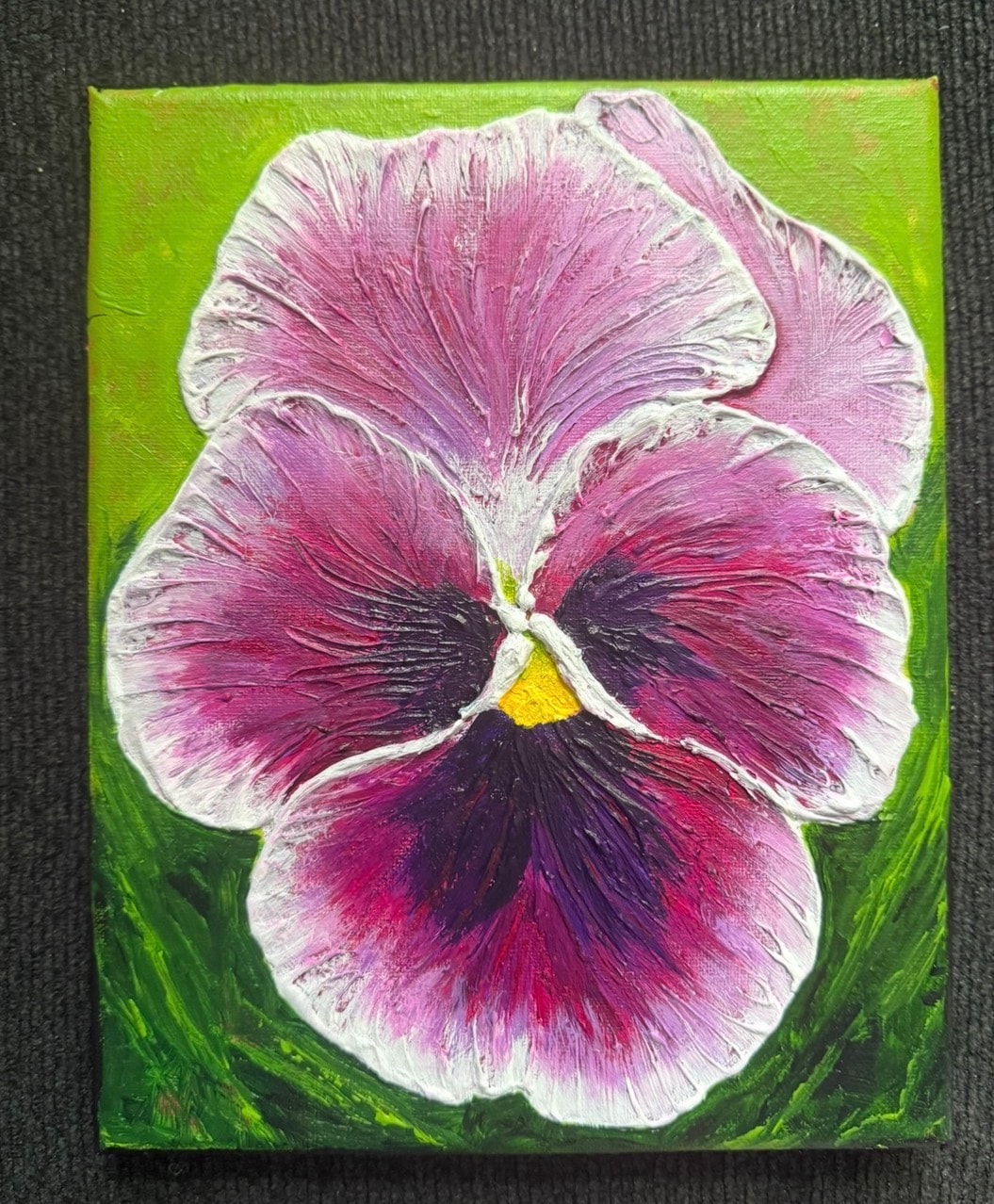
The three-dimensional texture is built with flexible caulk before any paint is applied.
See the Process: Before and After
These are real photos from Jay's studio — the caulk sculpture stage and the finished painting, side by side.
The Butterfly
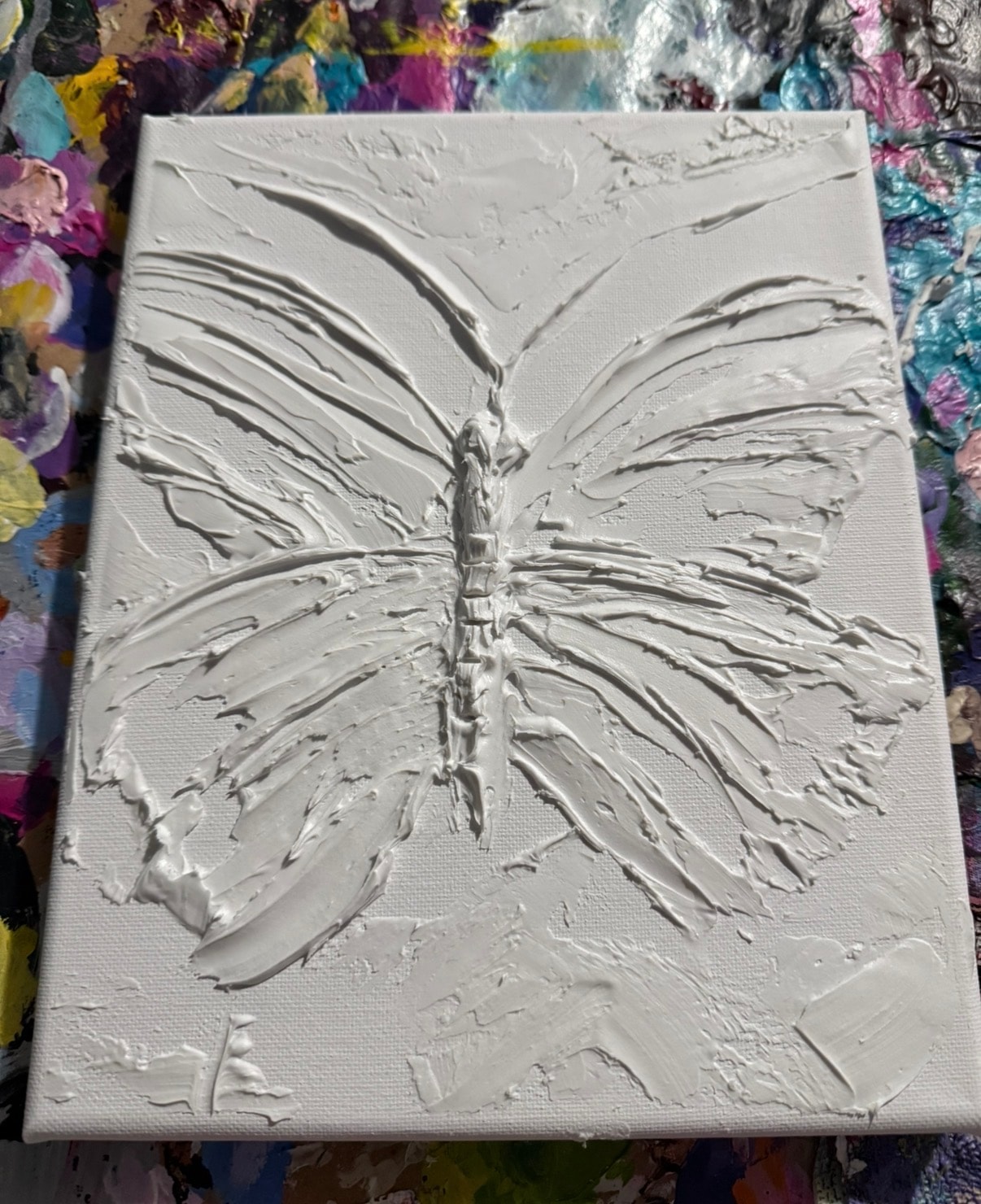
Before: White caulk sculpture — no paint yet
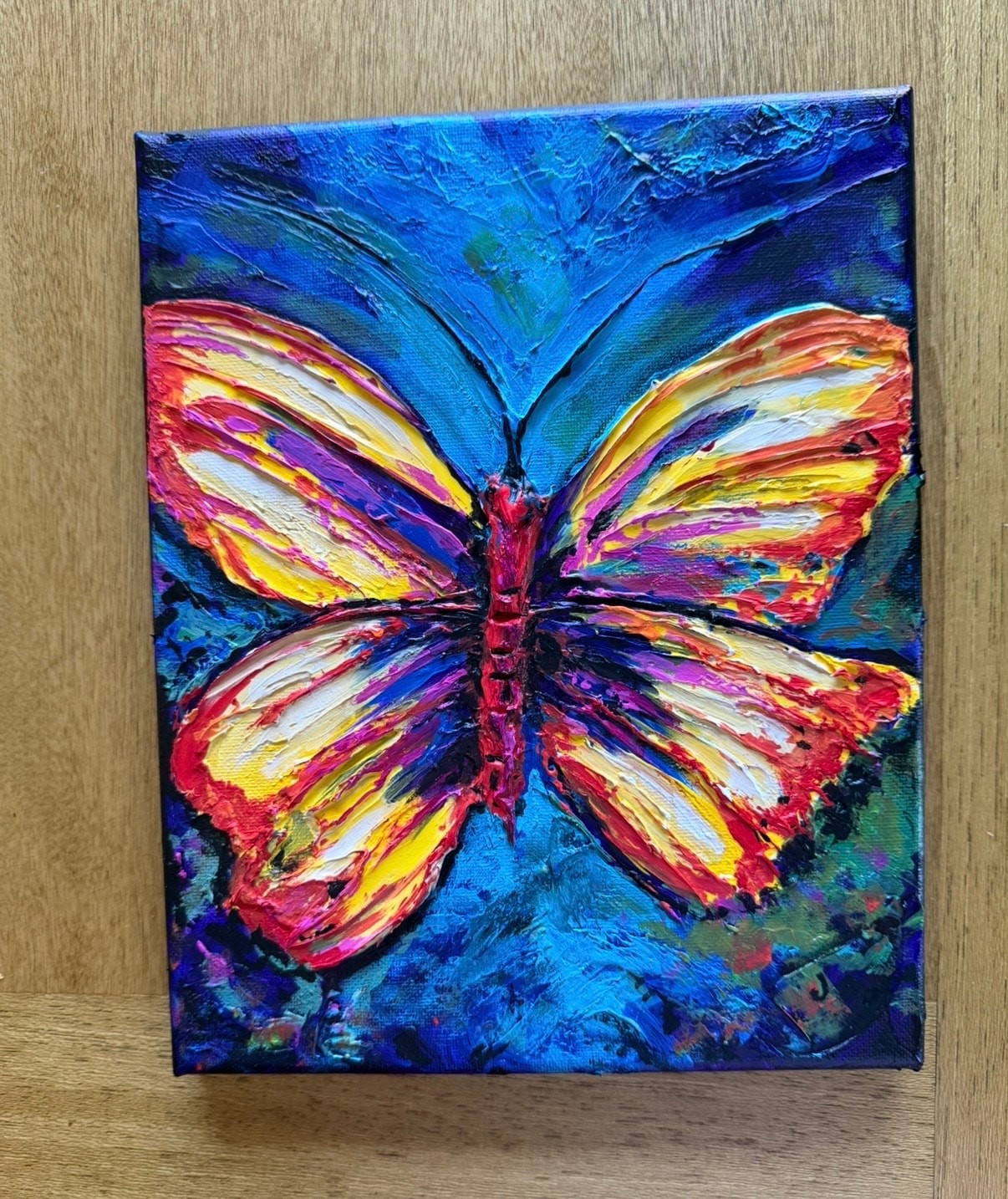
After: Fully painted — the caulk reveals itself in color
The Landscape
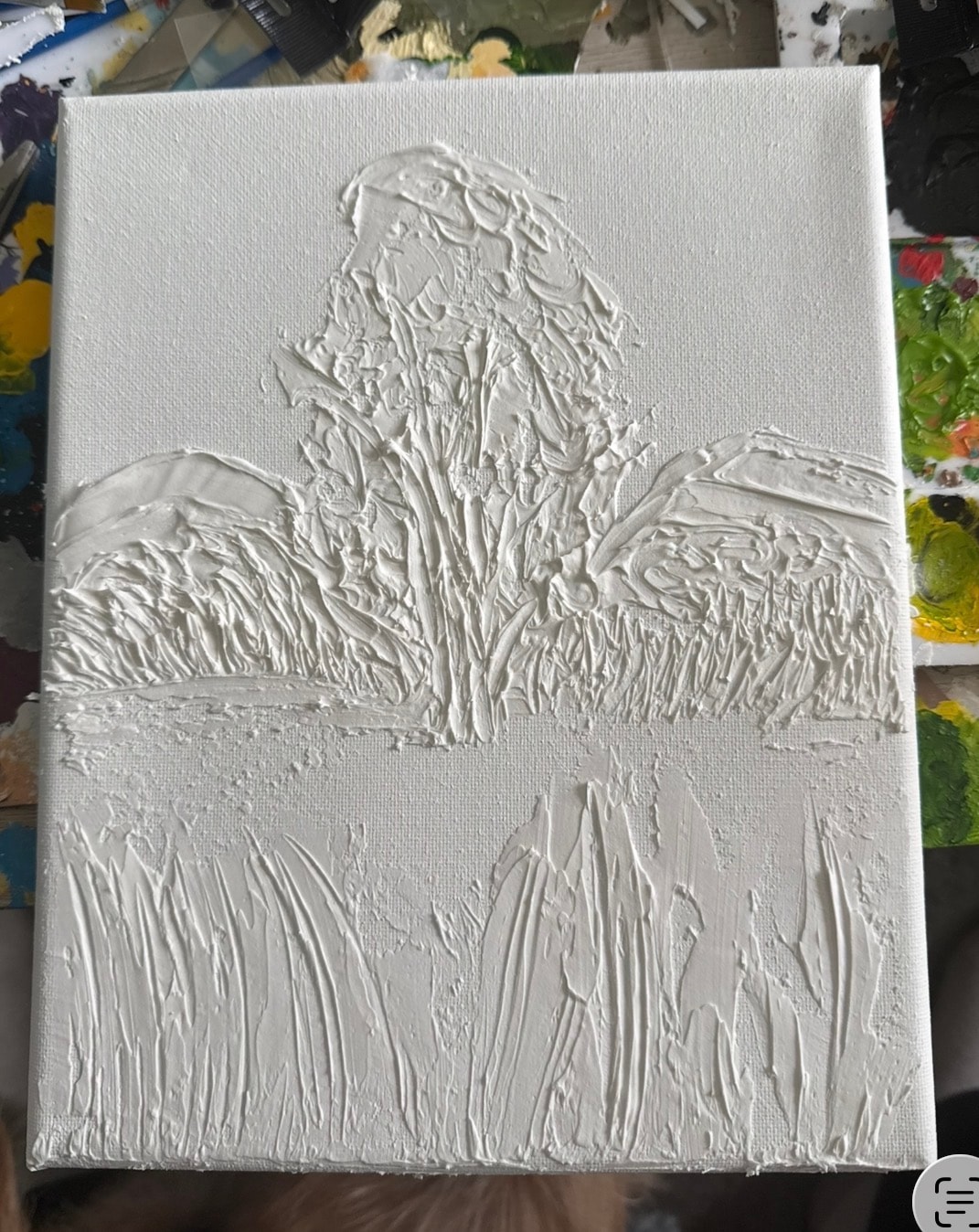
Before: Tree, mountains, and grass sculpted in white caulk
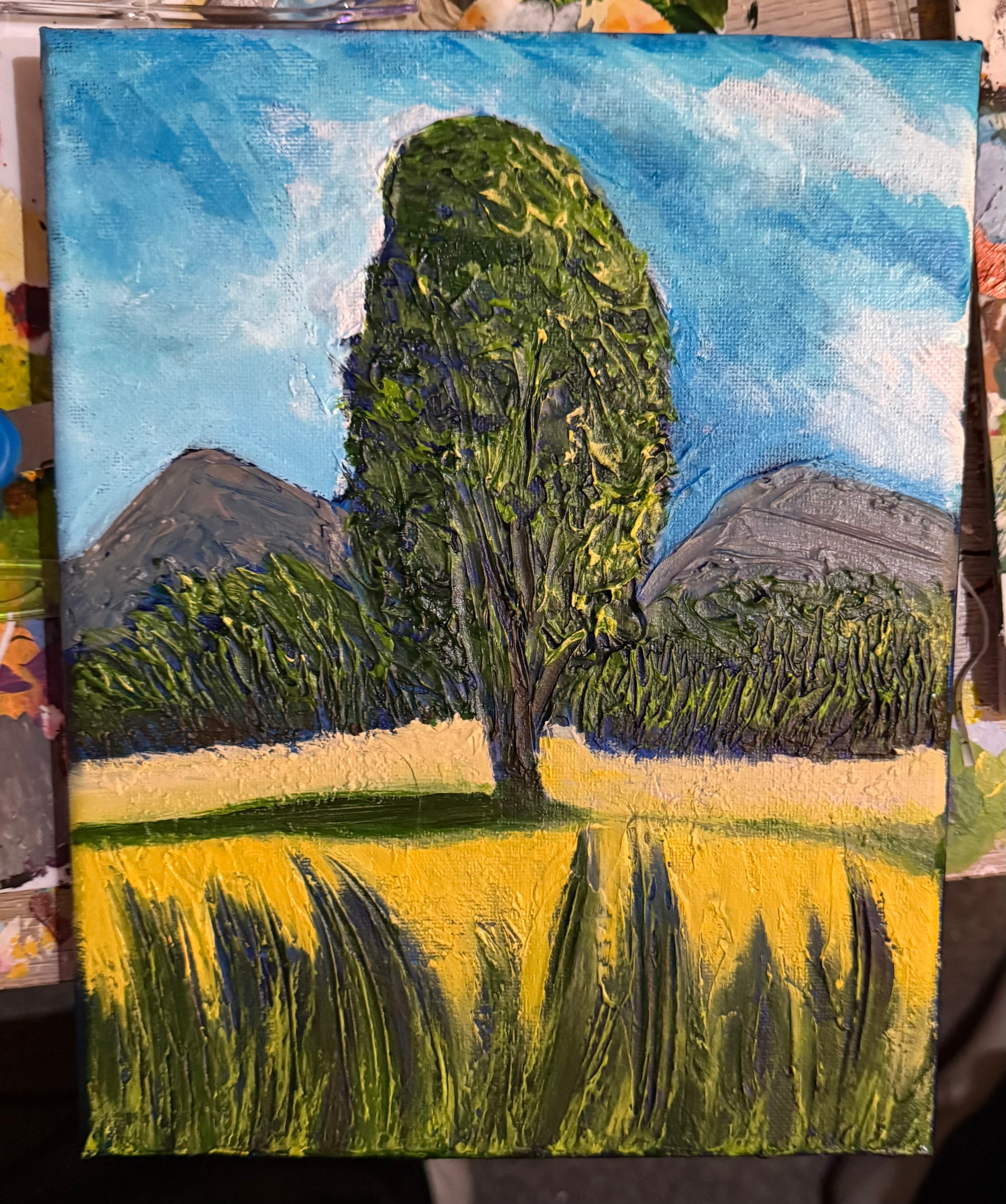
After: Rich greens, golden grass, and a blue sky reveal the sculpture
Blue Forest Path — Three Stages
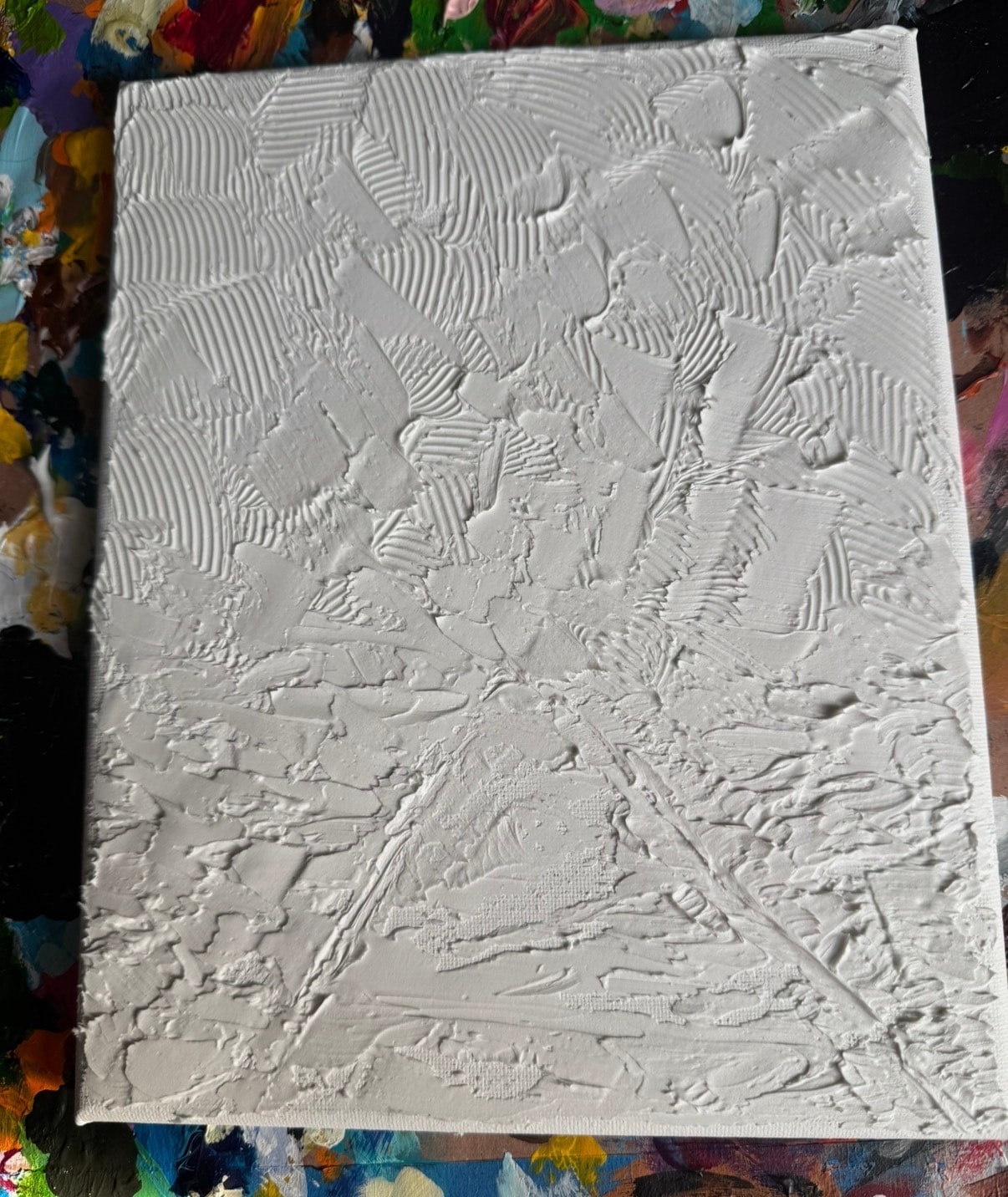
Stage 1
First caulk layer — composition being sculpted
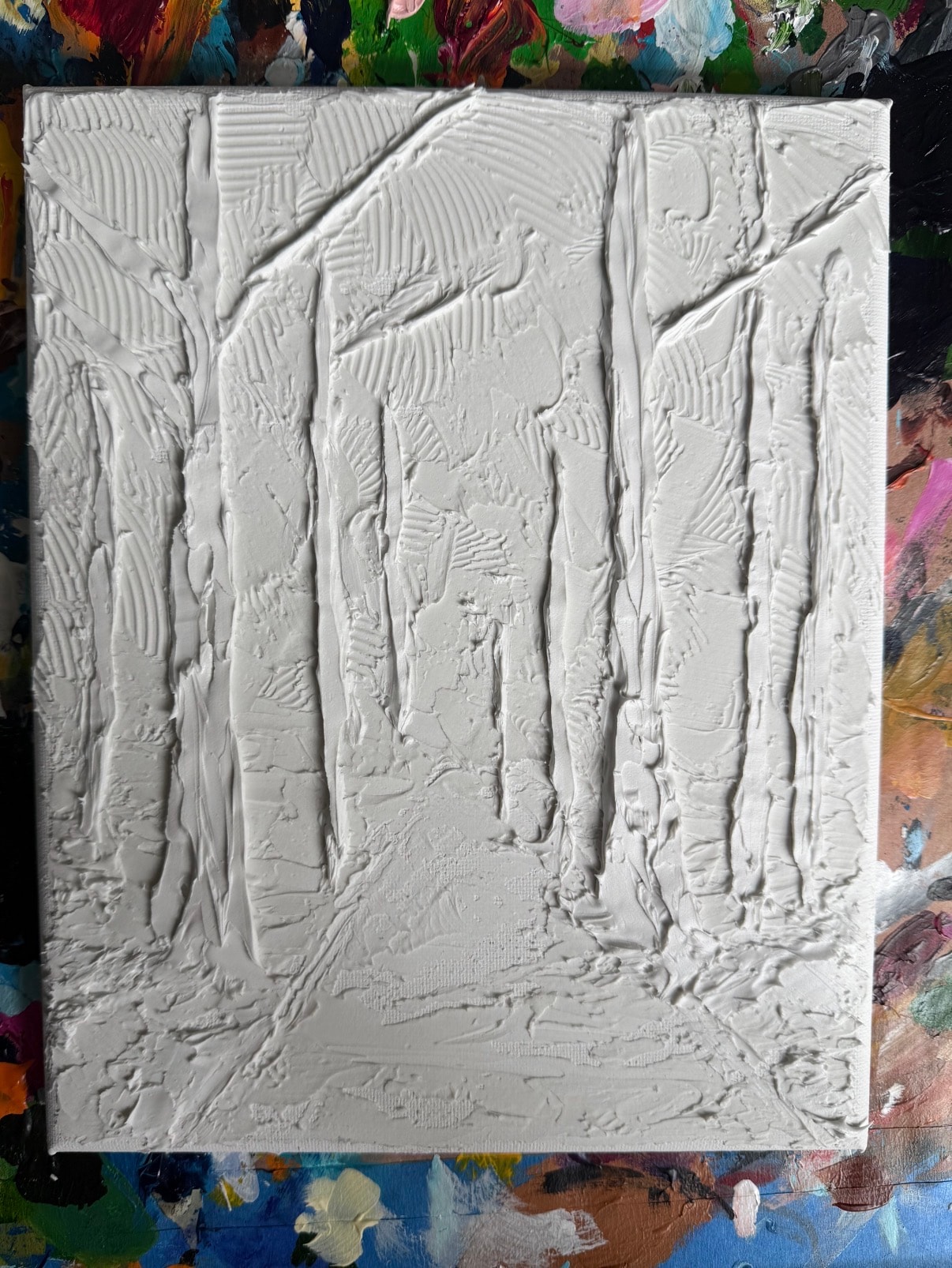
Stage 2
Additional layers — forest clearly visible in white caulk
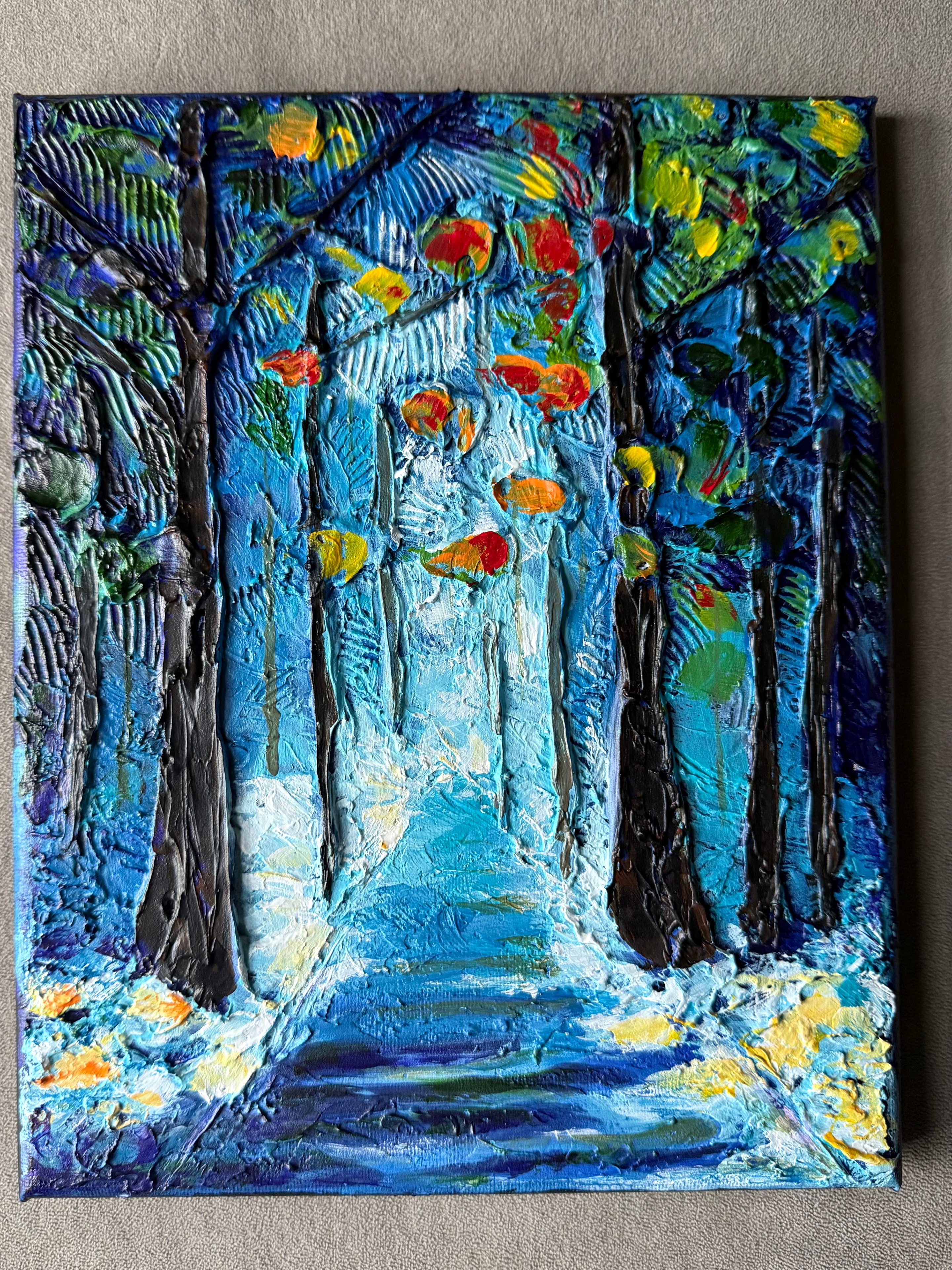
Finished
Fully painted — real depth and shadow
What Is Caulk Texture Painting?
Most textured paintings are made with impasto — thick paint applied with a palette knife until it builds up into ridges and peaks. It is a beautiful technique, but it has a problem: thick paint shrinks as it dries, and over time, those ridges can crack.
Jay the Painter uses a different approach. He builds the texture using flexible caulk — the same material used to seal gaps around bathtubs and windows — applied directly to the canvas before any paint is added.
The caulk dries to a rubbery, durable finish that moves with the canvas instead of fighting it. It does not crack. It does not shrink. The texture you see today will still be there in 50 years.
And the texture itself is different from impasto. Where palette knife work creates sharp, angular ridges, caulk creates softer, more organic forms — the gentle curve of a flower petal, the rough bark of a tree, the rolling surface of a hillside. It feels more natural. More alive.
The Process, Step by Step
Every caulk texture painting goes through the same five stages — each one essential to the final result.
Sketch the Composition
Every painting starts with a light drawing on the canvas — mapping out where the flowers, trees, or forms will go. In textured work, the composition has to be planned before the caulk goes down because the texture itself guides the eye.
Build the Texture with Caulk
Using a caulk gun and palette knives, Jay applies flexible caulk directly to the canvas, building up the three-dimensional forms. Flower petals get gentle curves. Tree bark gets rough ridges. Grass gets thin directional strokes. The caulk is workable for a window of time — every decision matters.
Cure Fully Before Painting
The caulked canvas needs time to cure completely before paint is applied. Rushing this step is not an option — paint over uncured caulk will not adhere properly. This is one reason each painting takes longer than a flat canvas.
Paint Over the Texture
Once cured, the painting begins. The three-dimensional surface changes how paint behaves — it pools in valleys, sits on peaks, and dry-brushing across ridges creates highlights. The texture does half the work. The painter works with it.
Seal and Varnish
The finished painting is sealed with protective varnish that preserves the colors and protects the texture. The result is a painting that looks different from every angle and in every light.
Why Caulk? Why Not Just Use Thick Paint?
Flexible caulk solves problems that impasto paint cannot. Here is why it produces a better result:
- Flexible caulk moves with the canvas — it does not crack or shrink like thick impasto paint
- Creates softer, more organic forms than palette knife work
- The texture is permanent and durable — built to last decades
- No two paintings are ever identical — the caulk application is always different
- The surface catches light in a way flat paintings and prints never can
See the Technique in Action
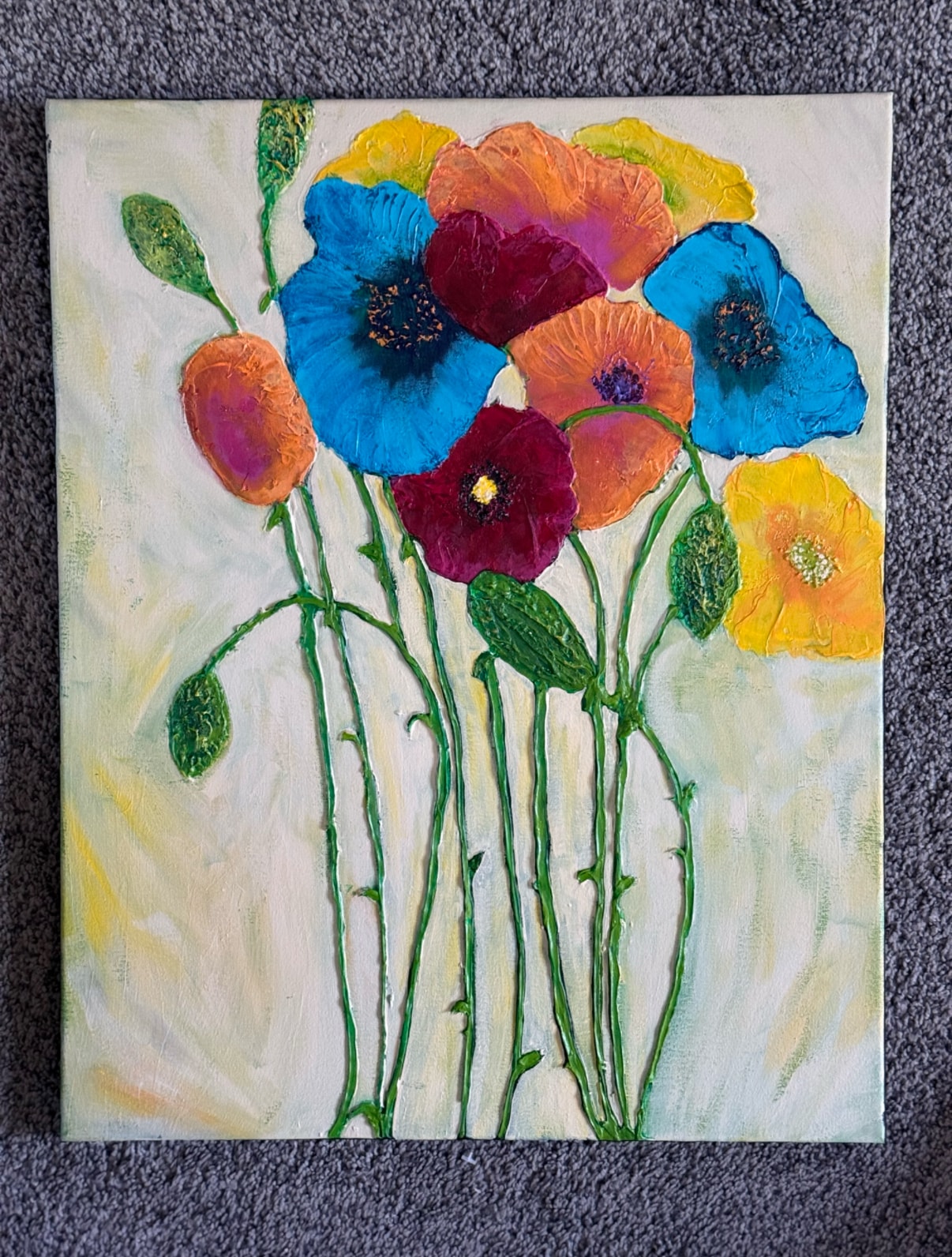
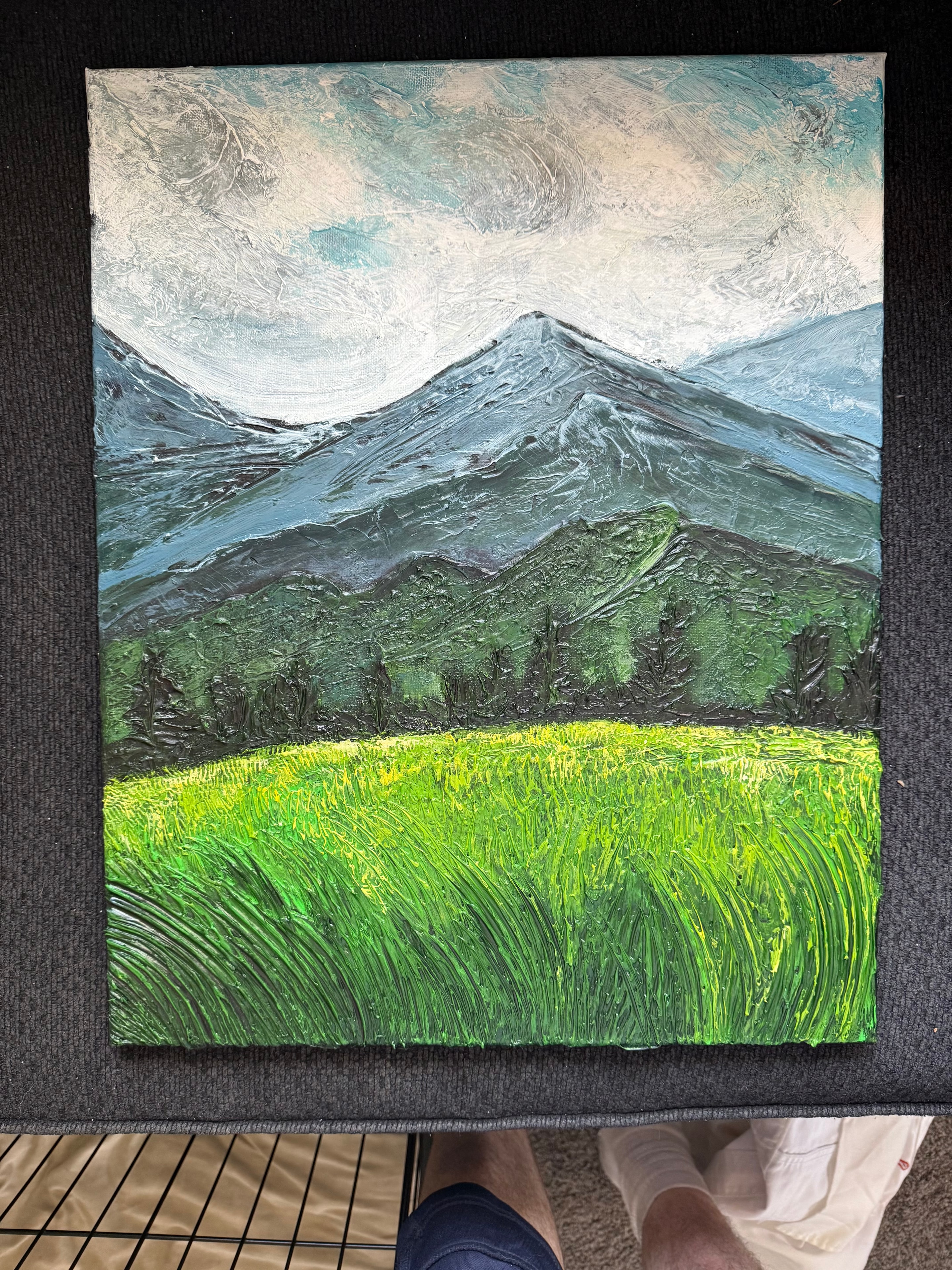
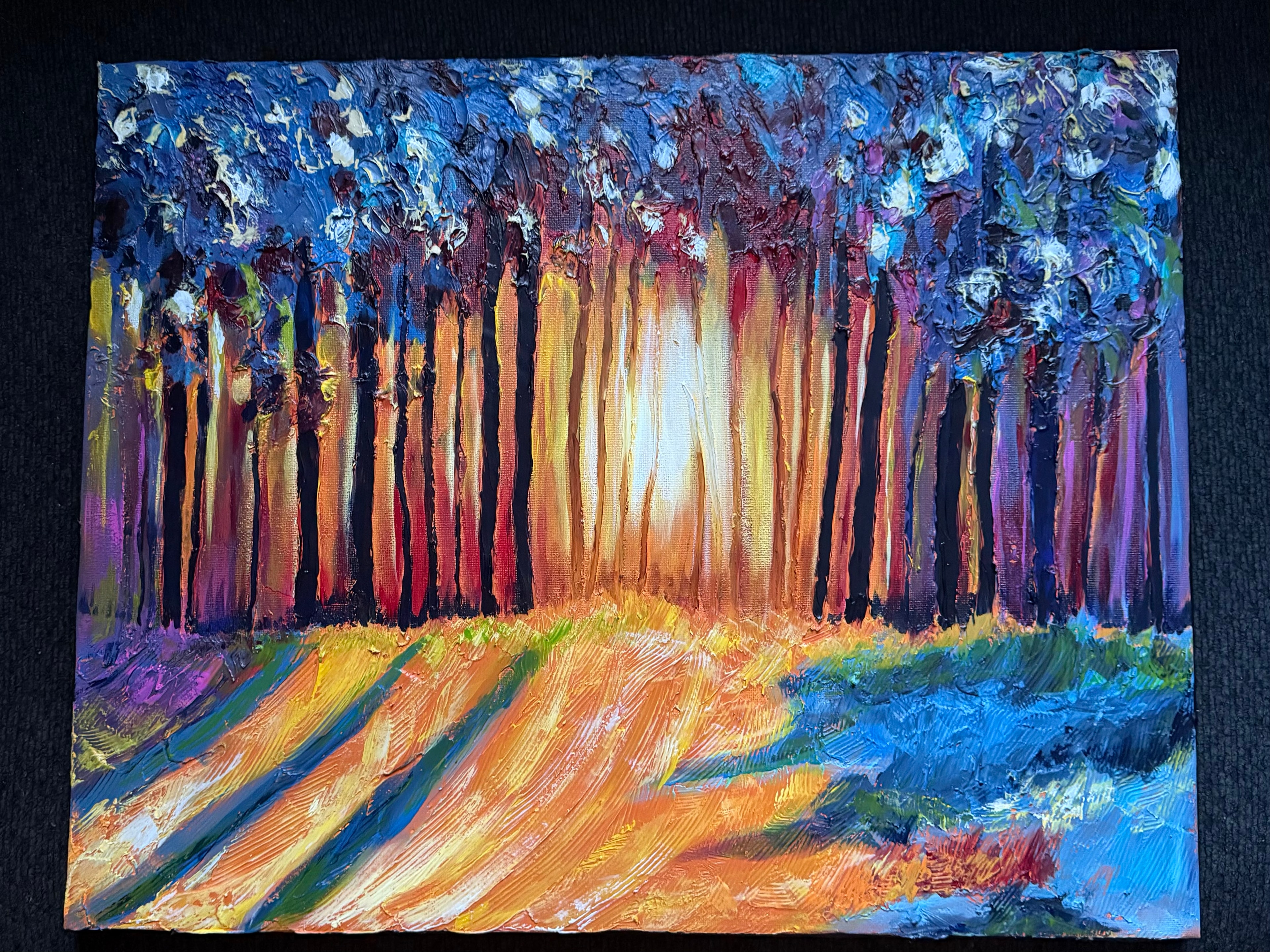
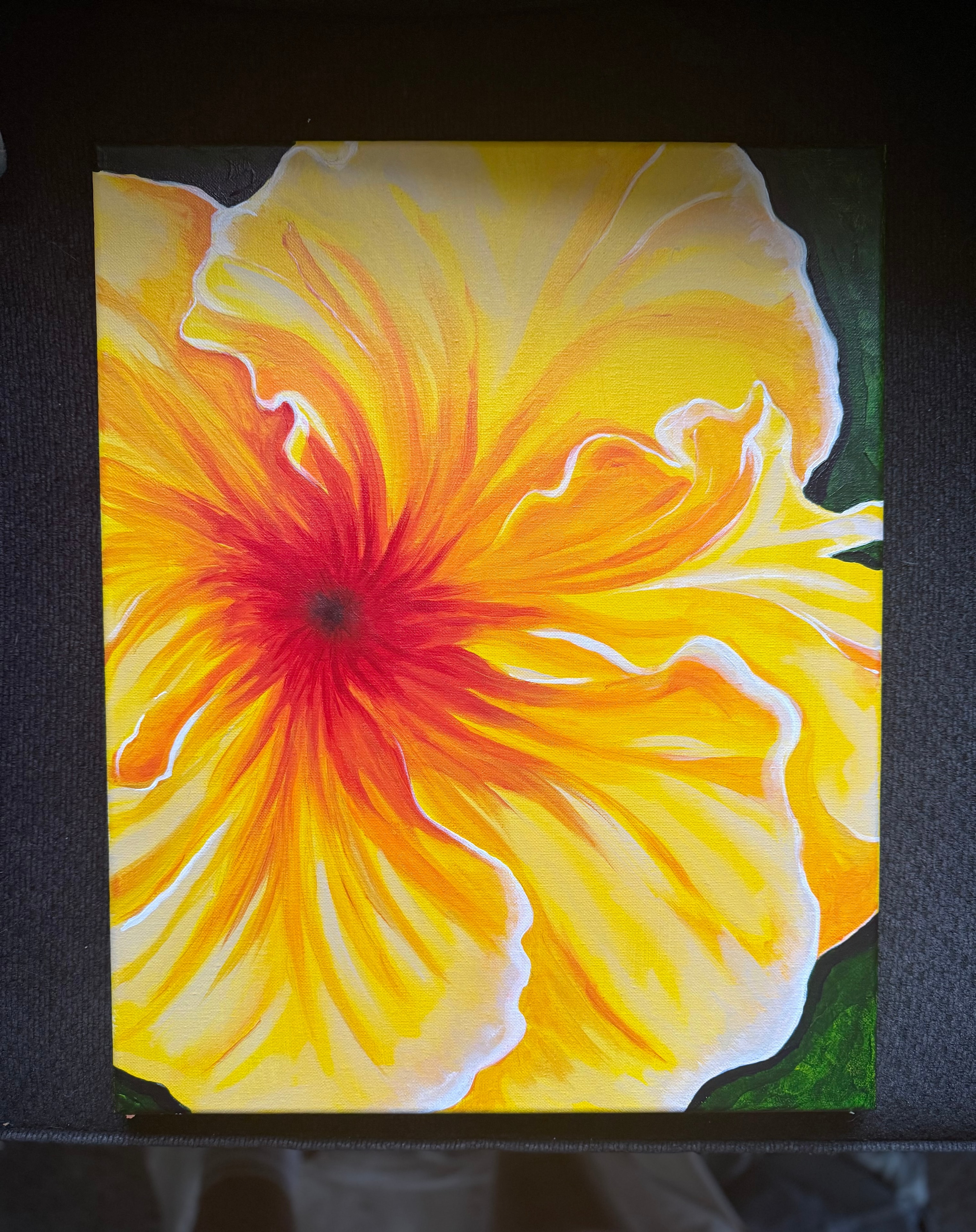
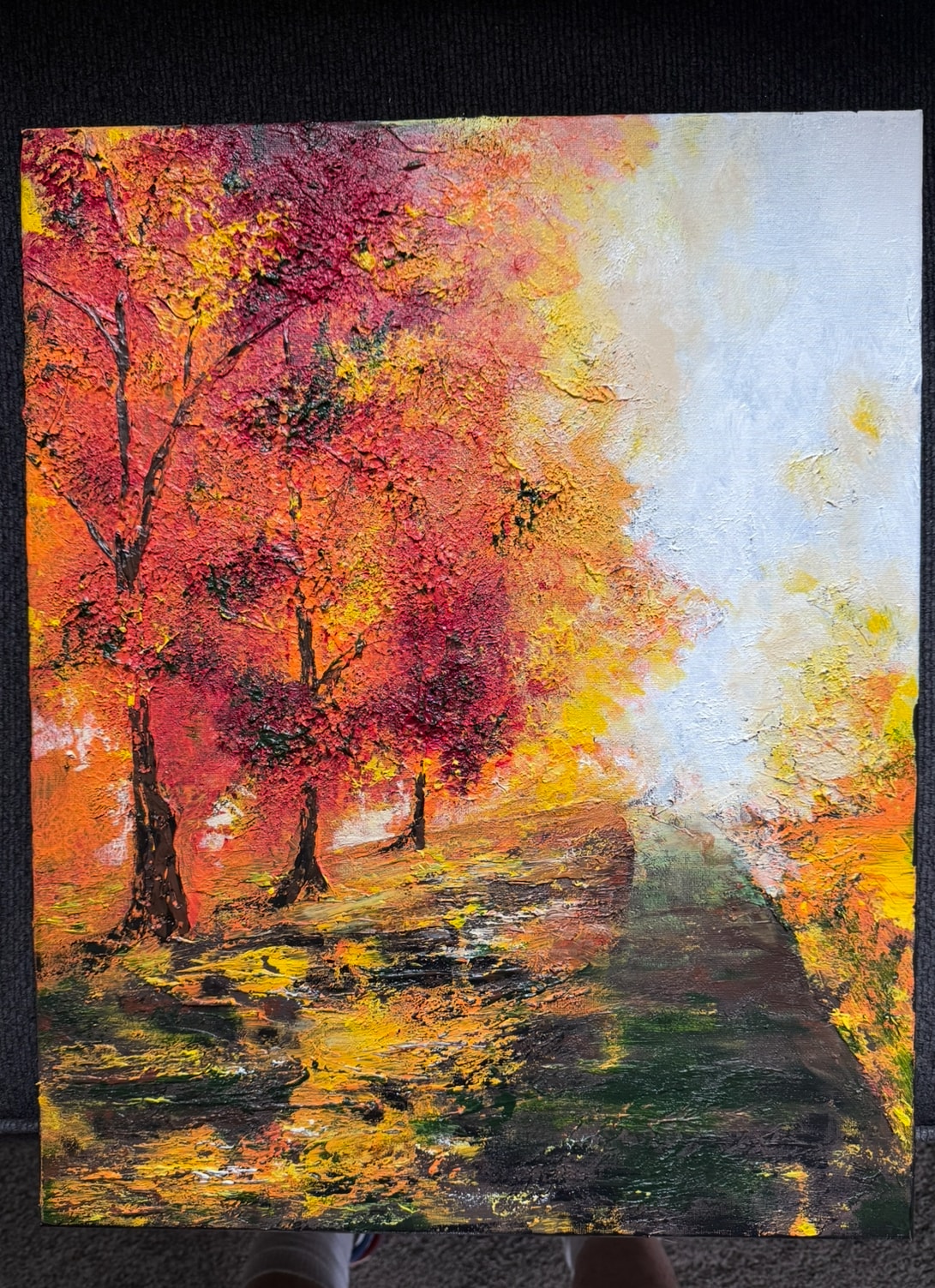
Every painting in Jay's gallery uses this caulk texture technique. Look closely at the photos — you can see the dimension even in a flat image.
Frequently Asked Questions
What is caulk texture painting?
Caulk texture painting is a technique where flexible caulk is applied to a canvas to build three-dimensional structure before any paint is added. The caulk creates ridges, curves, and organic forms that give the finished painting real sculptural depth.
Is caulk texture painting durable?
Yes. Flexible caulk is more durable than thick impasto paint because it moves with the canvas instead of fighting it. It does not crack or shrink as it ages. A properly sealed caulk texture painting will maintain its texture for decades.
How is caulk texture different from impasto?
Impasto uses thick paint applied with a palette knife or brush. Caulk texture uses a separate material — flexible caulk — to build the structure before painting begins. Caulk creates softer, more organic forms and is more durable than thick paint layers.
Can I buy a caulk texture painting?
Yes. Every painting in Jay the Painter's gallery uses the caulk texture technique. Prices range from $40 for a 2.44" miniature to $400 for a large 14" x 18" original. All paintings ship nationwide. Text Jay at 330-285-3136 to purchase.
Are caulk texture paintings one of a kind?
Yes. Because the texture is built by hand, no two paintings are ever identical. Even if Jay painted the same subject twice, the caulk application would be different. Every painting is a unique original — no prints, no reproductions, ever.
Go Deeper: Caulk Art Articles
Every article below goes deep on a specific aspect of the caulk texture technique.
As Featured On
Jay's unique caulk texture painting technique has been featured across Ohio painting and home improvement websites. Click any link to read about his process.
Own a Caulk Texture Original
Every painting ships nationwide. Every painting is one of a kind. When it sells, it is gone. No prints. No reproductions. Ever.