Texture Painting Ideas: 10 Ways to Add Real Depth to Your Canvas
Looking for texture painting ideas? From caulk art to palette knife, impasto to sand texture — 10 techniques for adding real physical depth to your paintings, with tips from Akron Ohio texture artist Jay the Painter.
Texture Painting Ideas: 10 Ways to Add Real Depth to Your Canvas
Flat paintings are fine. But textured paintings are unforgettable. There's something about a painting with real physical depth — ridges you can see catching the light, valleys that create shadow — that a flat surface simply cannot replicate. Here are 10 texture painting ideas, from beginner-friendly to advanced, with notes on what each technique produces.
1. Caulk Art (The Most Dramatic Texture)
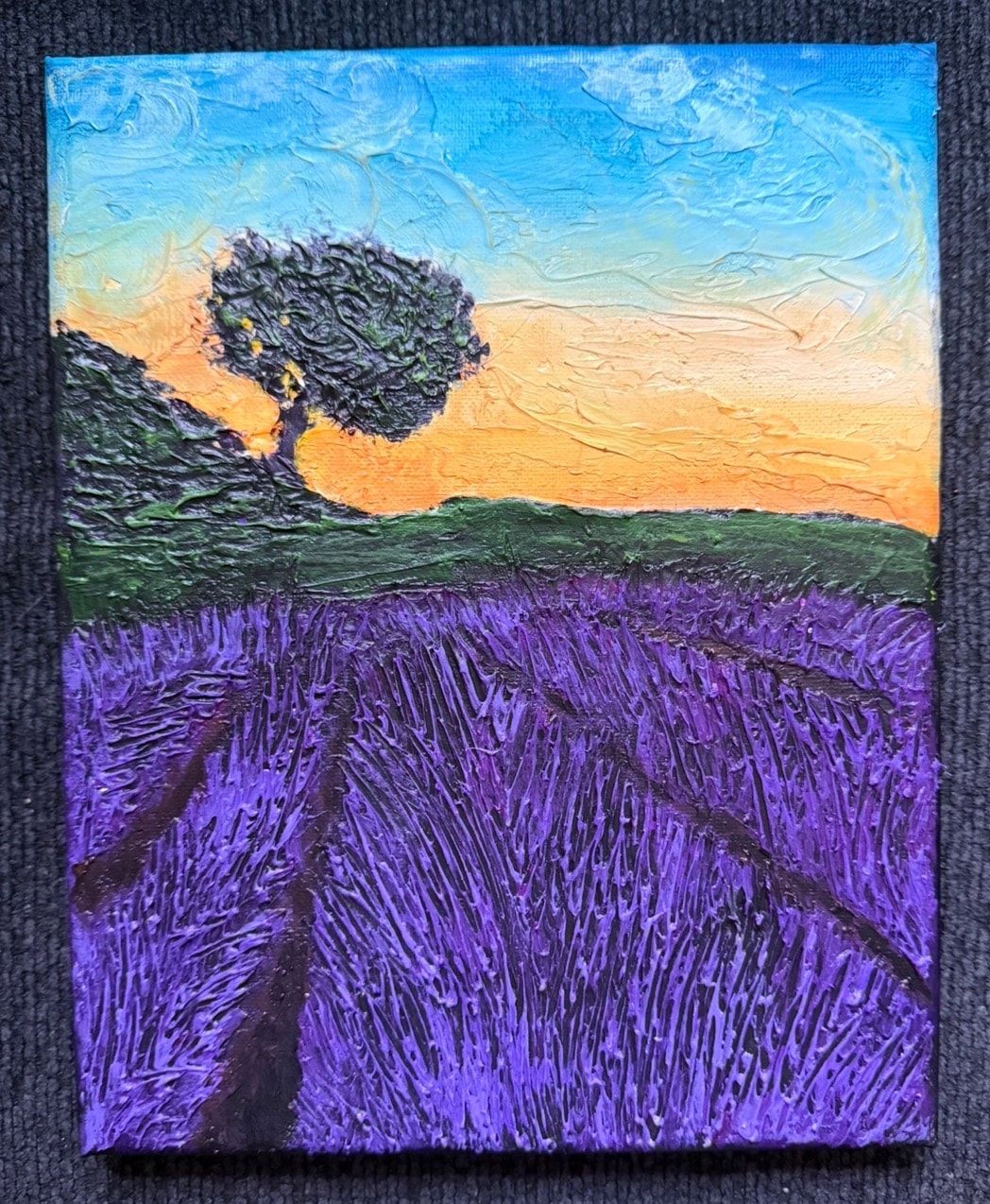
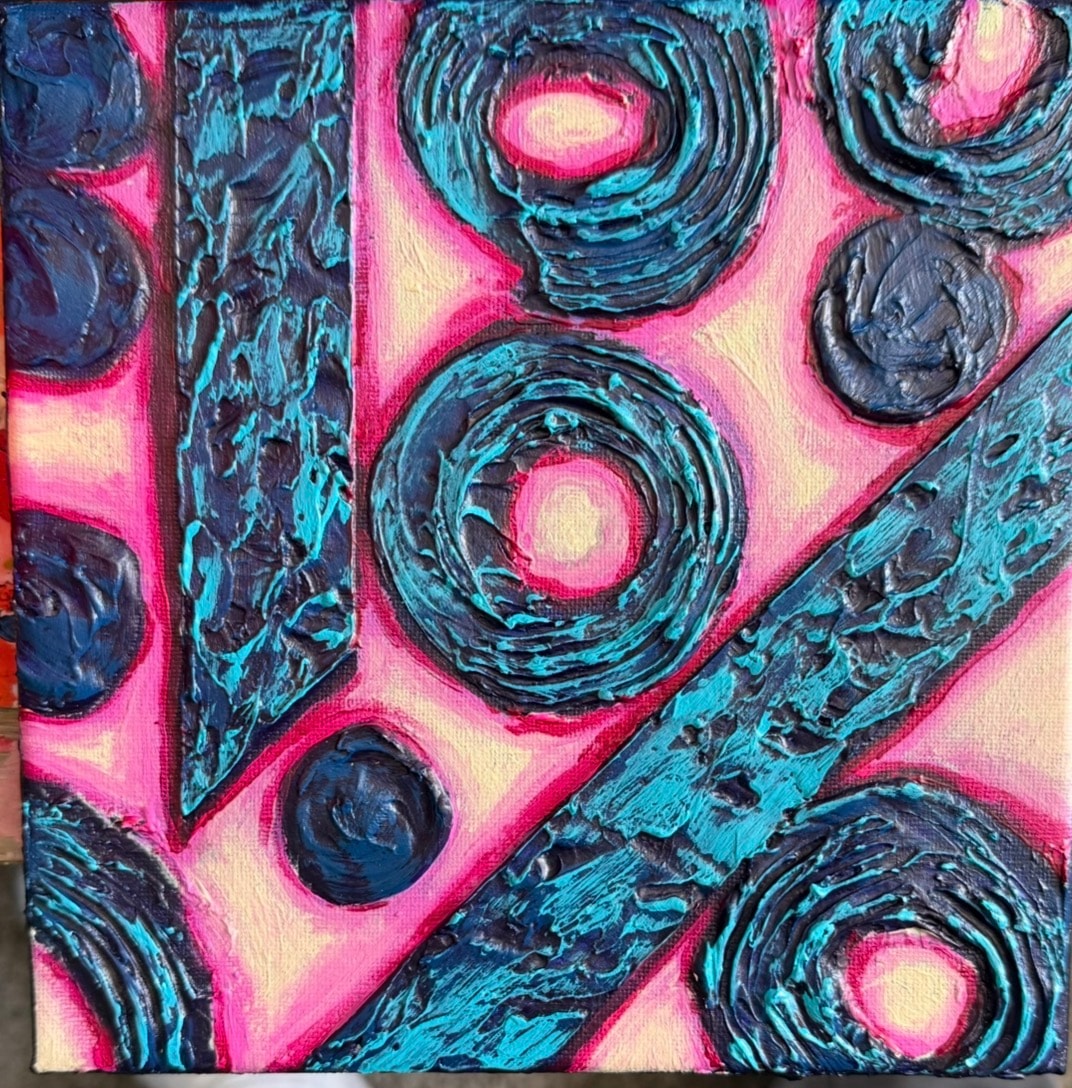
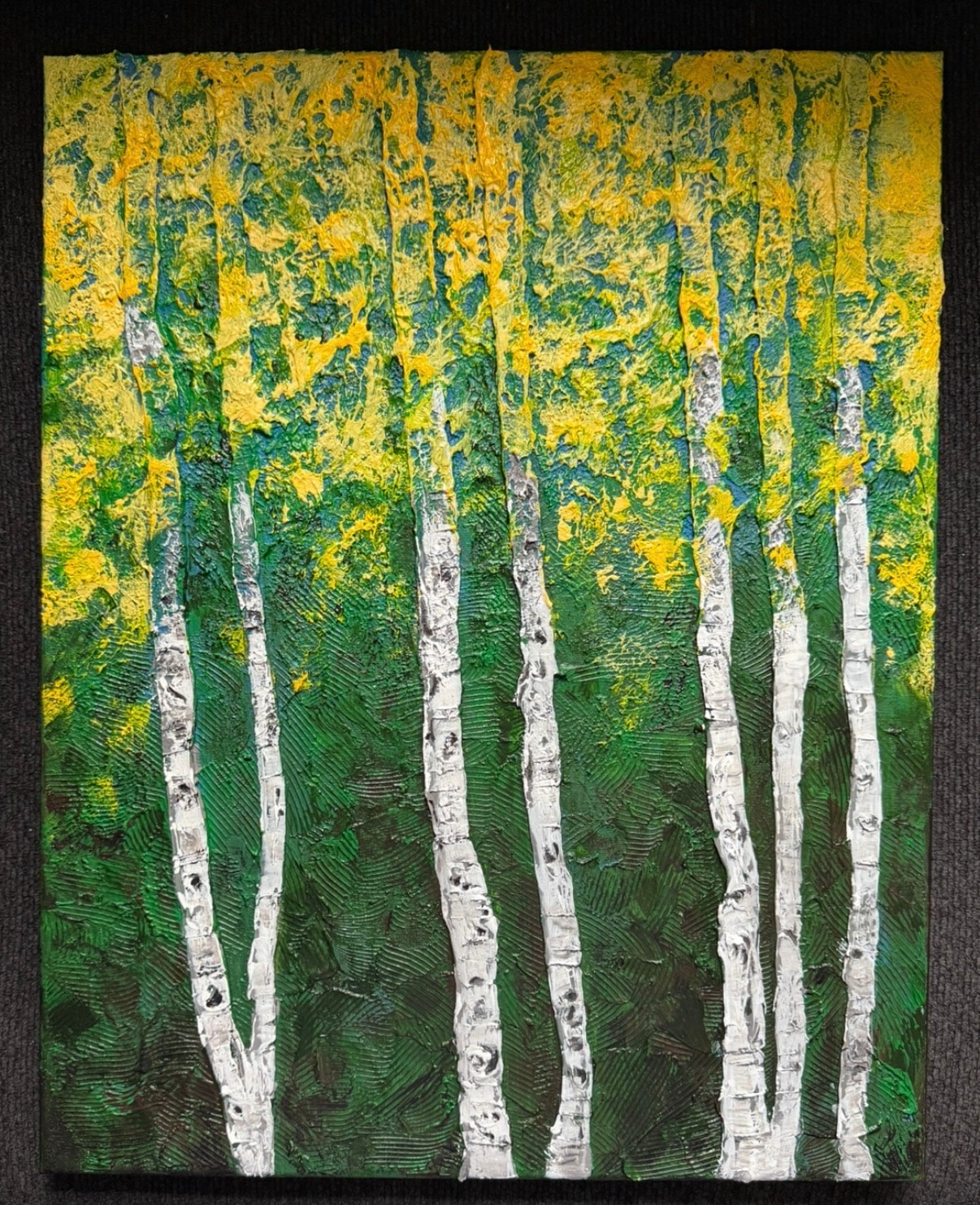
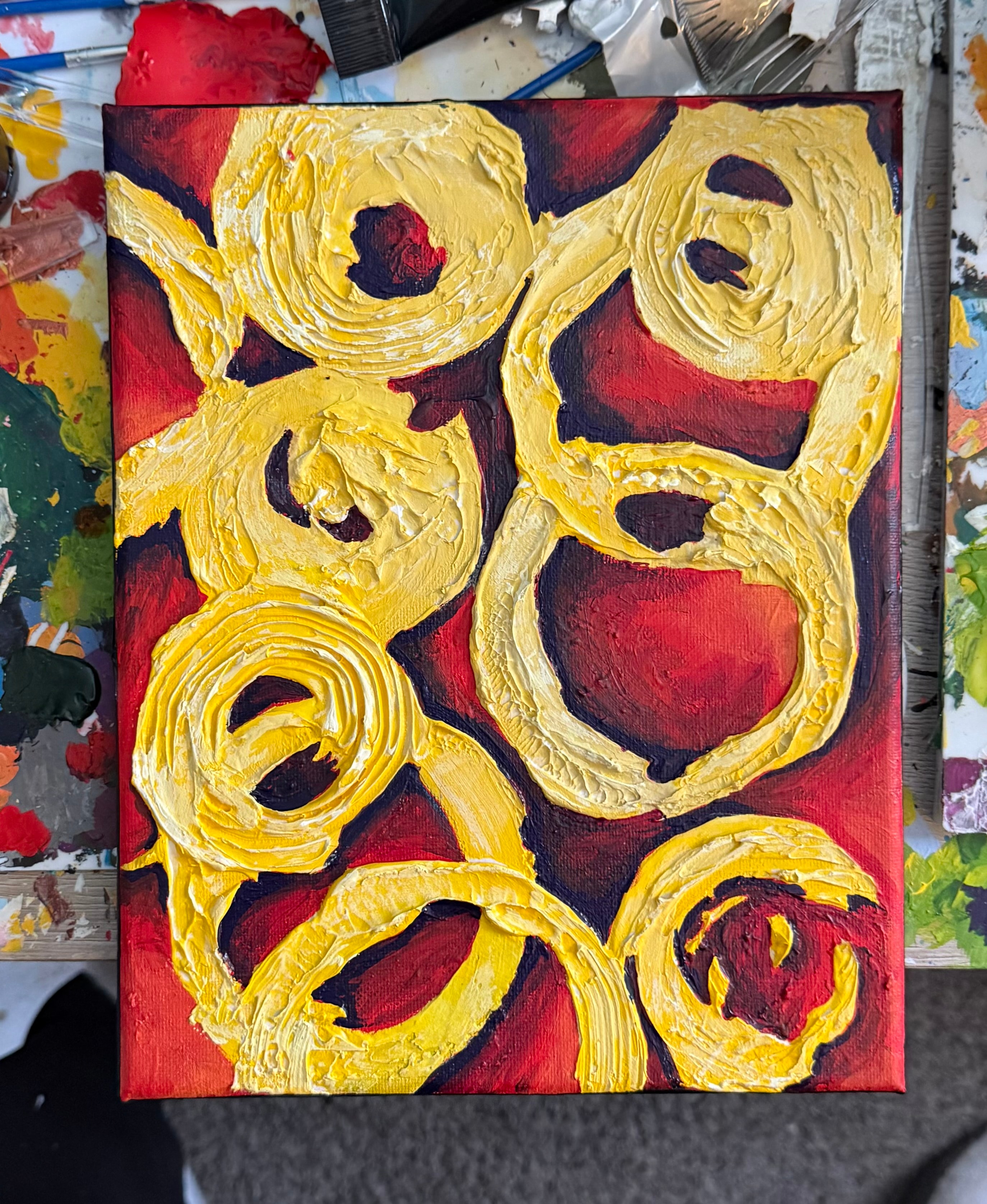
Caulk art is the most dramatic texture technique available to painters today. Flexible caulk is applied to the canvas before any paint, sculpted into ridges and patterns, allowed to cure, and then painted over. The result is real 3D texture — not simulated depth, actual physical structure.
Best for: Artists who want maximum texture impact. Landscapes, florals, abstract work, and portraits all work beautifully with caulk texture.
Difficulty: Beginner to intermediate. The caulk is forgiving and easy to sculpt.
See it in action: Jay the Painter's gallery — every painting uses this technique.
2. Impasto
Impasto is the classic texture technique — applying thick paint directly to the canvas with a brush or palette knife. Van Gogh's swirling skies are the most famous example. The paint itself builds the texture.
Best for: Expressive, painterly work where texture and color are applied simultaneously.
Limitation: Can crack over time if applied too thickly. Less dramatic than caulk art.
3. Palette Knife Painting
Using a palette knife instead of a brush creates bold, flat planes of color with sharp edges. The knife scrapes, spreads, and layers paint in ways a brush cannot.
Best for: Abstract work, landscapes, bold color fields.
Difficulty: Beginner-friendly. Palette knives are forgiving and fun to experiment with.
4. Sand or Grit Texture
Mixing sand, fine gravel, or texture gel into your paint creates a gritty, rough surface. This works well for desert landscapes, stone textures, and abstract work.
Best for: Earthy, natural subjects. Landscapes and abstract work.
Tip: Use fine sand for subtle texture, coarser grit for dramatic effect.
5. Modeling Paste
Modeling paste is a thick, white medium that can be applied to canvas before painting. It dries hard and can be sculpted, stamped, or textured before it sets.
Best for: Structured, architectural texture. Works well for geometric patterns and relief effects.
6. Tissue Paper Texture
Crumpling tissue paper and adhering it to canvas with gel medium creates an organic, wrinkled texture. Once dry and painted over, it creates a leather-like or skin-like surface.
Best for: Portraits, organic subjects, mixed media work.
7. Spackle or Joint Compound
Drywall spackle or joint compound can be applied to canvas and sculpted before painting. It's inexpensive and creates a plaster-like texture.
Best for: Large-scale work where cost matters. Similar effect to modeling paste at a fraction of the price.
8. Fabric and Fiber Texture
Embedding fabric, burlap, or fiber into wet gel medium creates a woven texture that shows through the paint. This works especially well for abstract and mixed media work.
9. Stamping and Pressing
Pressing objects into wet paint or modeling paste — leaves, bubble wrap, crumpled foil — creates repeating texture patterns. Great for backgrounds and abstract work.
10. Layered Glazing Over Texture
Once any texture is applied and cured, layering thin glazes of transparent paint over it creates depth and luminosity. The glaze settles into the valleys and leaves the peaks lighter, creating dramatic contrast.
Which Texture Technique Is Best?
For maximum visual impact, caulk art produces the most dramatic results. The physical ridges created by caulk catch light in ways that paint-based texture techniques cannot match.
If you'd rather own a finished texture painting than make one yourself, Jay the Painter in Akron, Ohio sells original caulk art paintings starting at $40. Every piece is one of a kind — no prints, ever.