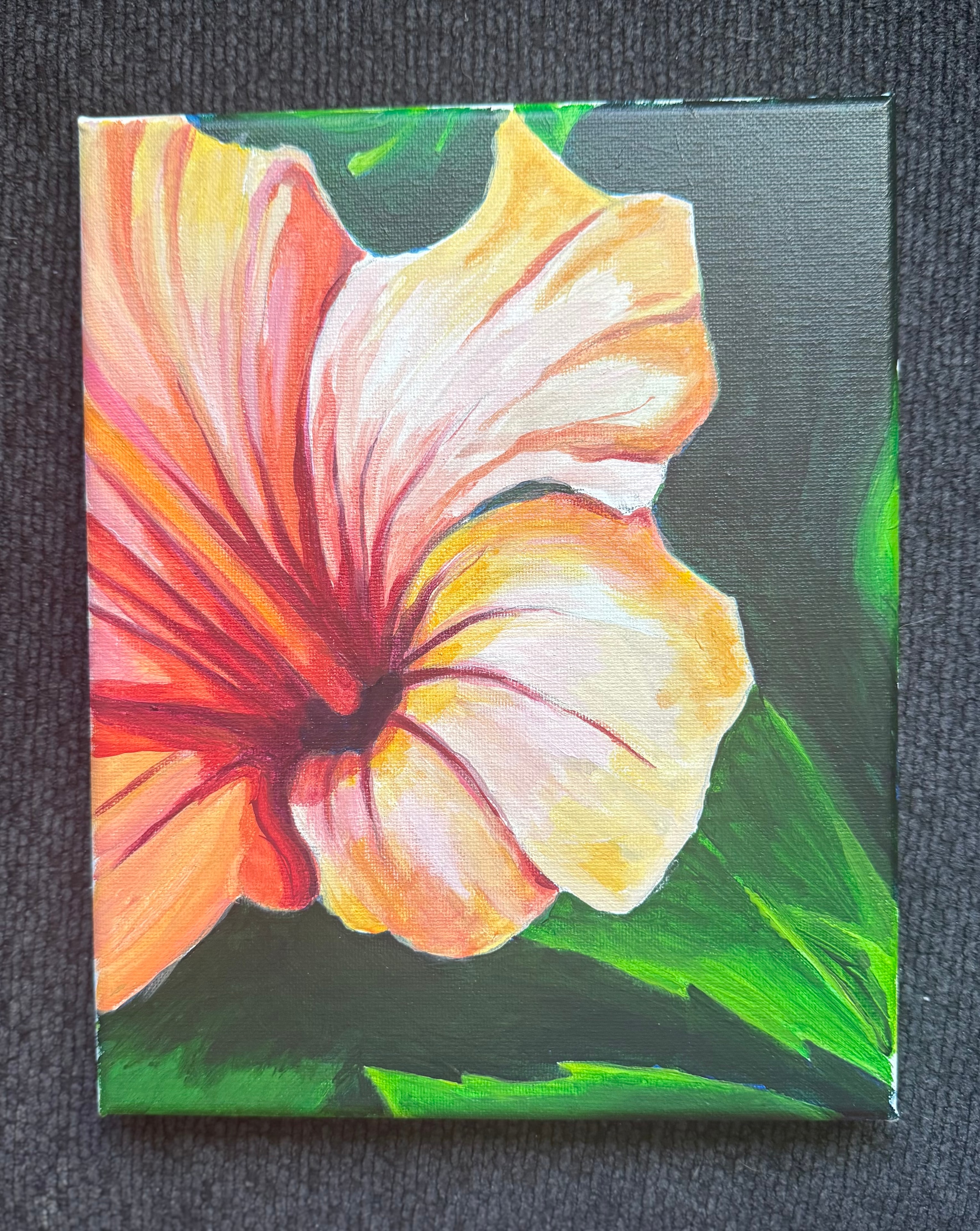
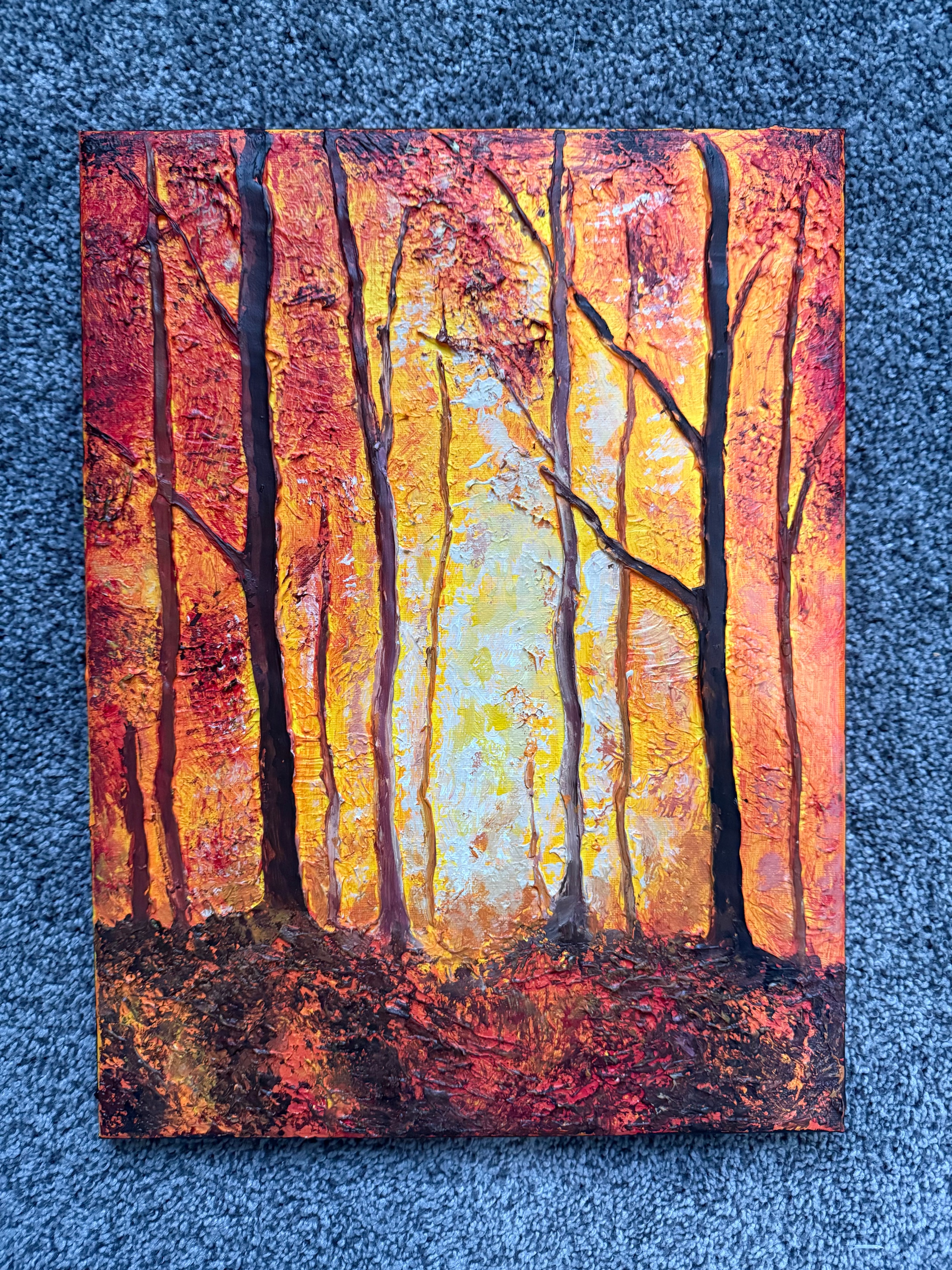
Why Jay the Painter Chose Caulk Over Every Other Texture Medium
Impasto, modeling paste, texture gel, sand medium, joint compound — there are dozens of ways to add texture to a painting. Jay the Painter tried most of them before settling on flexible caulk. Here is why caulk won.
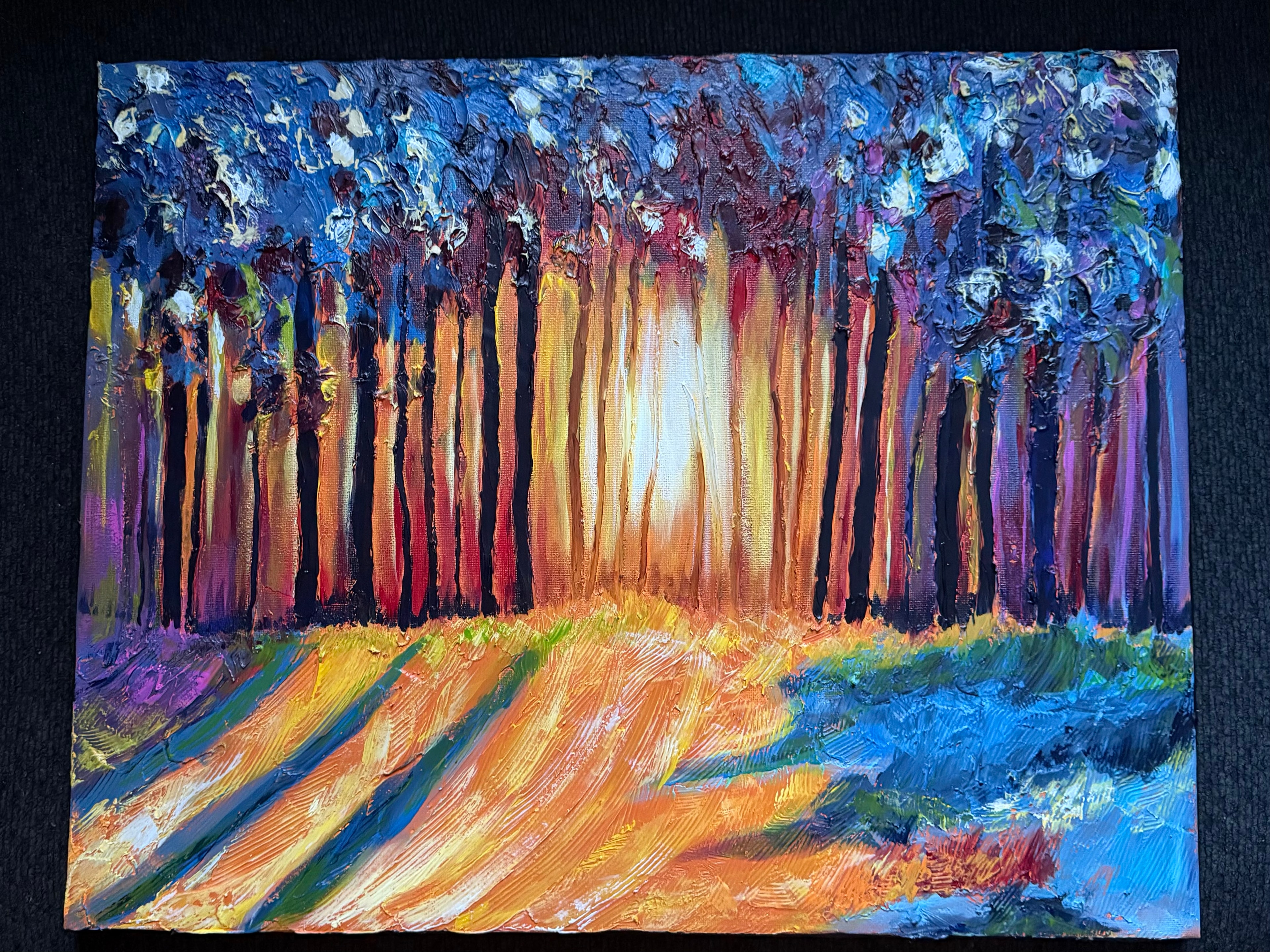
When Jay the Painter started experimenting with dimensional texture, caulk wasn't the first thing he tried. It wasn't even the second or third.
Here's the full comparison — every major texture medium, what it does well, what it doesn't, and why flexible caulk ended up being the answer.
Oil Paint Impasto
What it does: Thick oil paint applied with a palette knife or stiff brush builds up into raised forms. Van Gogh's swirling skies are the most famous example.
The problem: Oil paint is rigid when dry. Canvas is flexible — it expands and contracts with temperature and humidity. Thick, rigid paint on a flexible surface cracks over time. Some of the most famous impasto paintings in the world have significant cracking issues. The texture that looked dramatic when fresh can look damaged a decade later.
Why Jay moved on: Durability was a non-negotiable requirement. A painting that cracks is a failed painting.
Acrylic Impasto
What it does: Thick acrylic paint is more flexible than oil, which reduces (but doesn't eliminate) cracking. Acrylic impasto can be built up higher than oil impasto without the same cracking risk.
The problem: Acrylic paint still shrinks significantly as it dries — sometimes 20–30% by volume. Very thick applications can crack or peel, especially if layers were applied too quickly without adequate drying time between them. The working window is also short — acrylic dries fast, which limits how much time you have to shape the texture.
Why Jay moved on: The shrinkage problem meant the texture he built wasn't the texture he ended up with. Too unpredictable.
Modeling Paste
What it does: Modeling paste (also called texture paste or molding paste) is an acrylic medium designed specifically for building texture. It's thicker than paint, dries hard, and can be shaped with tools.
The problem: Standard modeling paste dries rigid. The same cracking issues as oil impasto apply, especially on flexible canvas. Flexible modeling paste exists but is expensive, has a limited working window, and doesn't build as high as other options.
Why Jay moved on: Better than paint impasto, but still not durable enough for the height of texture Jay wanted to achieve.
Joint Compound (Drywall Mud)
What it does: Joint compound is cheap, widely available, and can be applied thickly. Some artists use it as a texture base.
The problem: Joint compound is water-soluble even when dry. It's not designed for flexible surfaces. It cracks, chips, and can absorb moisture from the air. It's a construction material, not an art material — it doesn't have the archival properties needed for a painting meant to last decades.
Why Jay moved on: Not archival. Not durable. Not appropriate for work meant to last.
Sand Medium and Texture Gels
What it does: Sand medium and texture gels add surface texture to paint — grit, grain, subtle relief. They're designed to be mixed into paint or applied as a ground.
The problem: These mediums create surface texture, not dimensional structure. The relief is shallow — millimeters, not centimeters. They can't build the kind of high, organic three-dimensional forms Jay was looking for.
Why Jay moved on: Not enough height. The texture was interesting but not dramatic enough.
Flexible Caulk: Why It Won
Flexible caulk — the polymer sealant used in construction — solved every problem the other mediums had:
It doesn't crack. Flexible caulk is designed to bond permanently to surfaces while remaining flexible. It moves with the canvas instead of fighting it. After full cure, it won't crack under normal conditions.
It doesn't shrink significantly. Unlike paint and modeling paste, caulk maintains its shape as it cures. The texture Jay builds is the texture that remains.
It builds high. Caulk can be applied in thick layers and shaped into significant three-dimensional forms — the kind of height that creates real shadows and real visual drama.
It has a workable open time. Caulk stays workable long enough to shape carefully, but cures firmly enough to hold its form. The working window is longer than acrylic paint, which gives Jay more time to get the forms right.
It's durable. Caulk is designed for construction applications — it's built to last decades under conditions far harsher than a painting on a wall.
The tradeoff: caulk requires a different skill set than paint. It behaves differently, requires different tools, and demands patience during the curing process. But for Jay, the durability and dimensional capability made it the clear choice.
See the technique in action: The complete caulk art guide → | Jay's step-by-step process →
Browse Jay's gallery: jaythepainter.com/artwork
Jay the Painter is an independent caulk texture artist based in Akron, Ohio.
Explore Topics
Written by
Jay the Painter
Content creator and writer sharing insights and stories.