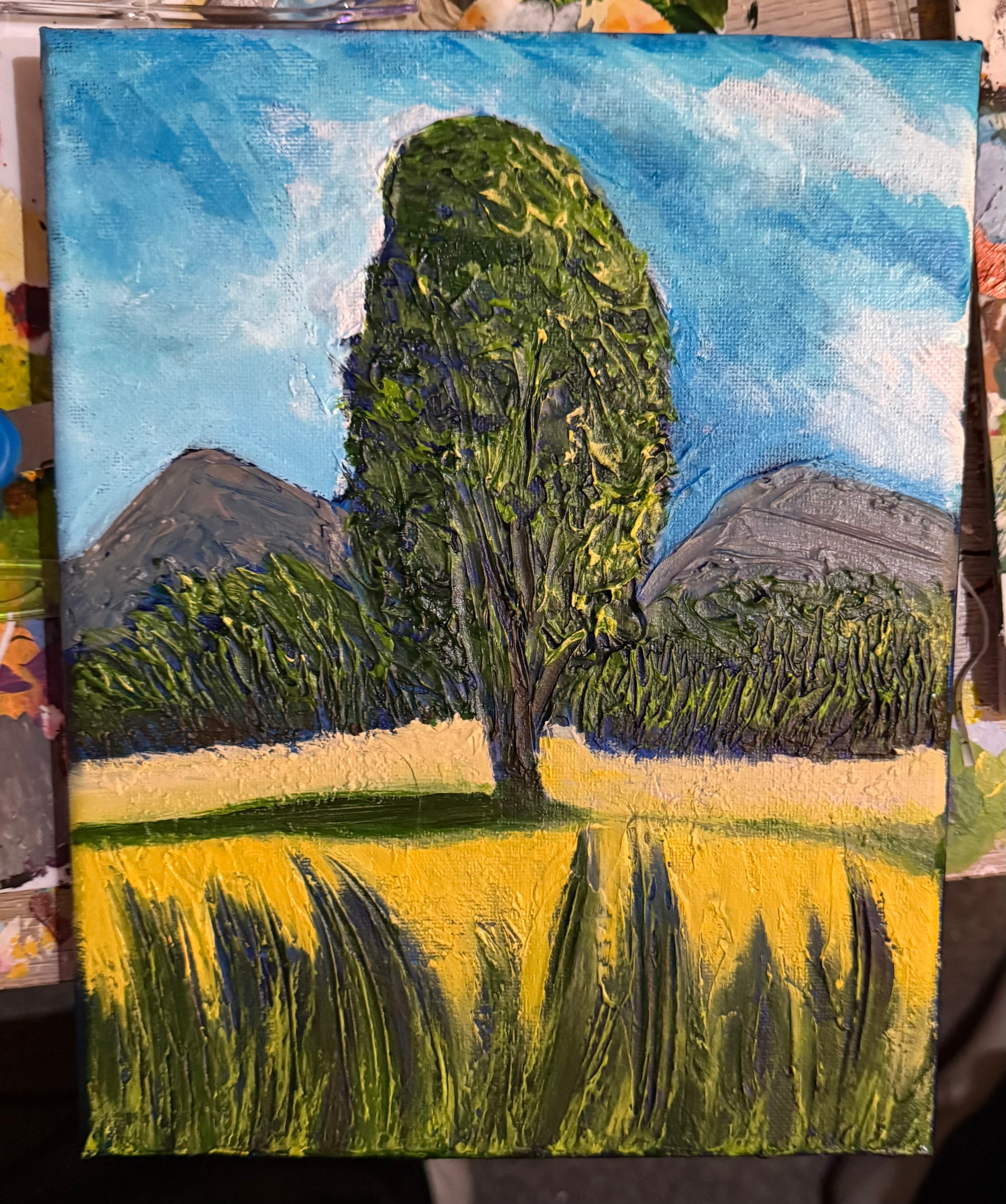
Caulk Art vs. Impasto: What's the Difference and Which Lasts Longer?
Caulk art and impasto both create 3D texture on canvas — but they are completely different materials with very different results. This head-to-head comparison explains what sets caulk art apart, why it lasts longer, and which one belongs on your wall.
Caulk Art vs. Impasto: What's the Difference and Which Lasts Longer?
If you have ever stood in front of a painting with extraordinary three-dimensional texture and wondered how it was made, you were probably looking at either impasto or caulk art.
Both techniques create raised, sculptural texture on canvas. Both produce paintings with real physical depth that photographs cannot fully capture. Both are a world apart from flat, smooth paintings.
But they are completely different materials, applied in completely different ways, with completely different results — especially over time.
Here is the full comparison.
What Is Impasto?
Impasto is the traditional technique of applying thick paint — usually oil or acrylic — directly to a canvas with a palette knife or stiff brush. The paint is applied in heavy, textured strokes that dry in place, creating raised ridges and peaks.
The masters of impasto — Van Gogh, Rembrandt, Monet — used it to create paintings with extraordinary energy and physical presence. The thick paint catches light differently than flat paint, creating highlights and shadows that shift as you move around the painting.
The problem with impasto:
Thick paint is a rigid material. As it dries, it shrinks slightly. As the painting ages, the canvas expands and contracts with temperature and humidity changes. The rigid impasto layer fights these movements — and eventually, it cracks.
Walk through any museum and look closely at heavily impastoed paintings from the 19th century. You will see the cracks. They are not always obvious from a distance, but up close, the texture that was once sharp and defined has developed a network of fine fractures.
This is not a minor cosmetic issue. Cracking impasto is a conservation problem that museums spend significant resources managing.
What Is Caulk Art?
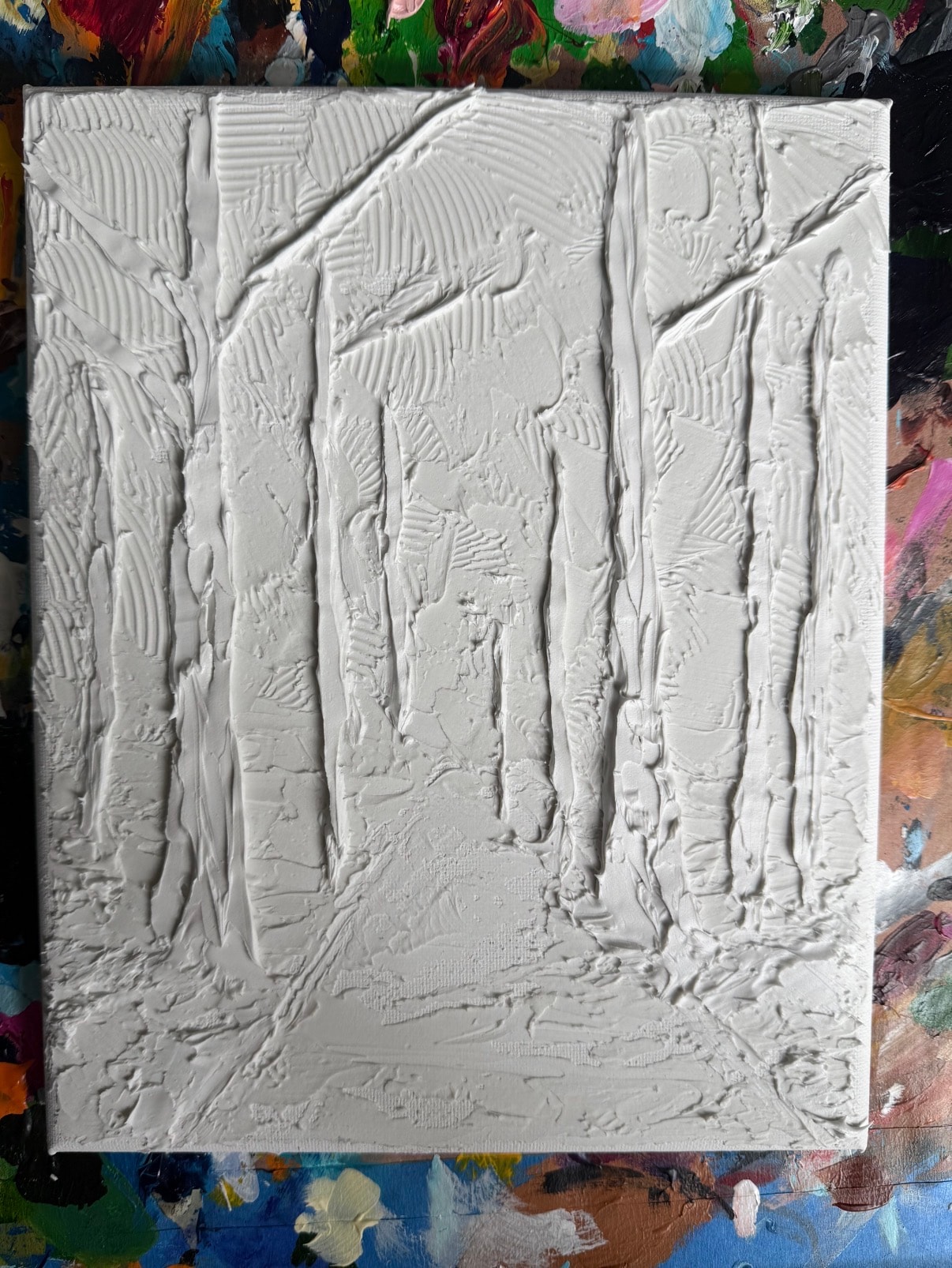
Caulk art — also called caulk texture painting — is a technique where flexible caulk is applied to a canvas to build three-dimensional structure before any paint is added.
The caulk is applied in layers, each one cured completely before the next is added. The result is a caulk sculpture — a complete three-dimensional relief — that defines every element of the painting. Only when the caulk sculpture is complete and fully cured does the artist pick up a brush.
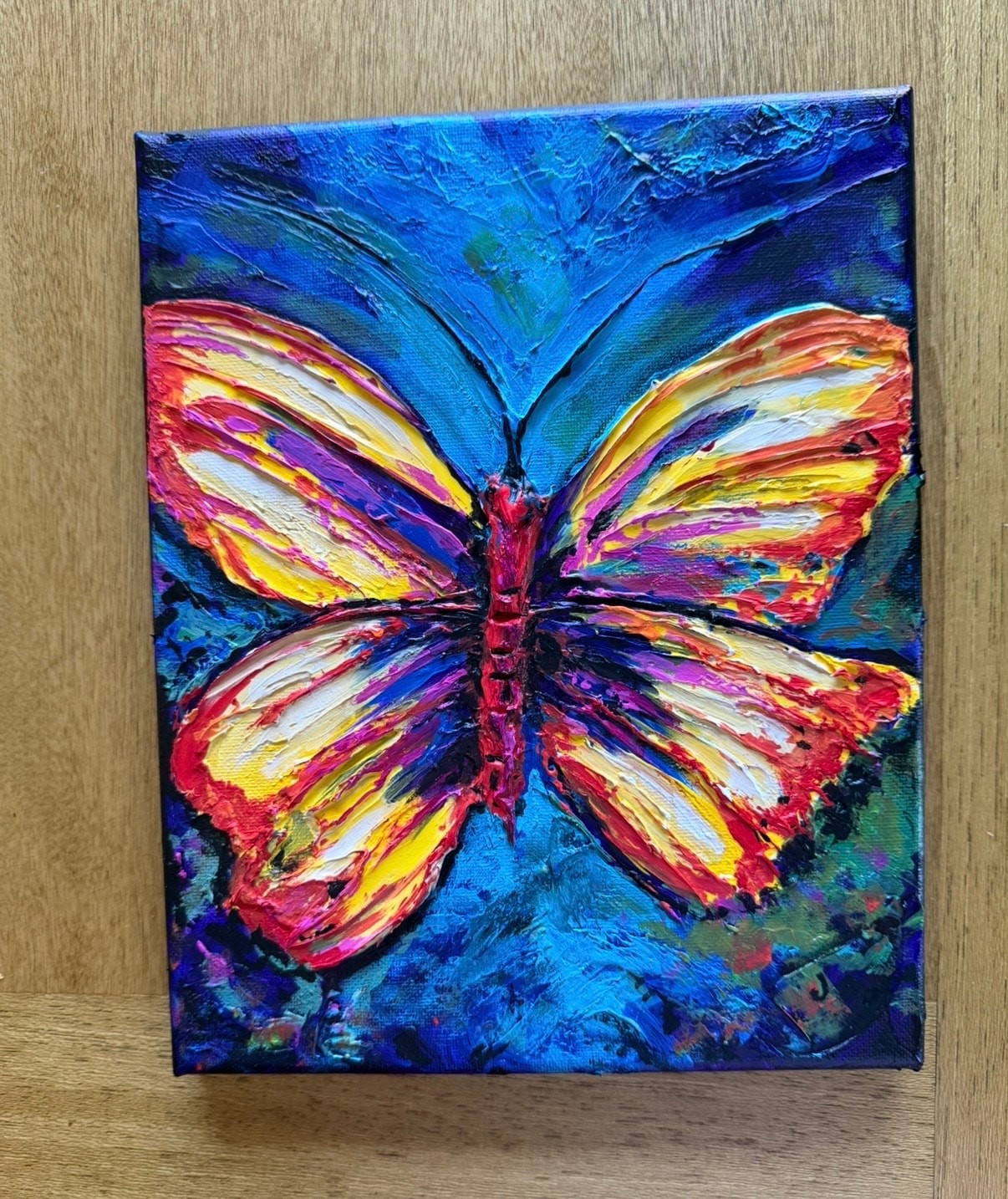
The paint follows the contours of the caulk, pooling in valleys and sitting on peaks. The finished painting has real physical texture — not the illusion of depth created by clever brushwork, but actual three-dimensional structure you can touch.
The key difference:
In impasto, the texture and the color are the same material — thick paint. In caulk art, the texture and the color are different materials — caulk for structure, paint for color. This separation is what makes caulk art more durable.
Head-to-Head Comparison
Texture Height
Impasto: Limited by the stability of thick paint. Very heavy impasto applications can sag before they dry, or crack as they cure. There is a practical ceiling on how high you can build impasto texture.
Caulk art: Built in layers, each one cured before the next is added. You can build as high as you want, as long as you are patient. Caulk texture paintings can achieve height that impasto cannot match.
Winner: Caulk art
Texture Precision
Impasto: A palette knife loaded with thick paint creates bold, gestural marks. Beautiful, but not precise. You cannot draw a thin line for a butterfly's wing vein or build up a specific small form with impasto.
Caulk art: Caulk can be applied with precision — thin lines, specific curves, individual feathers, wing veins, bark texture. The forms are built deliberately, not gestured.
Winner: Caulk art
Durability
Impasto: Rigid paint fights the movement of the canvas. Over time — years, decades — the impasto layer develops cracks. This is a well-documented conservation problem with impasto paintings.
Caulk art: Flexible caulk moves with the canvas. It expands and contracts without cracking. A properly sealed caulk texture painting will maintain its texture for decades — potentially for a century or more.
Winner: Caulk art — by a significant margin
Visual Impact
Impasto: The gestural quality of impasto has its own beauty. The marks of the palette knife are visible. The energy of the application is part of the painting.
Caulk art: The sculptural quality of caulk art is different — more precise, more controlled, with forms that are built rather than gestured. The texture reads as more three-dimensional because it is built higher and more precisely.
Winner: Depends on what you value — gestural energy vs. sculptural precision
Printability
Impasto: A print of an impasto painting is a flat image. The texture is gone. The shadows are gone. The dimension is gone.
Caulk art: Same. A print of a caulk texture painting is a flat image. The only way to own either technique is to own the original.
Winner: Tie — neither can be printed
Cost
Impasto: Thick paint is expensive. Heavy impasto applications use significantly more paint than flat painting.
Caulk art: Caulk is inexpensive. The material cost of caulk art is lower than heavy impasto, which can make original caulk art paintings more accessible.
Winner: Caulk art
The Bottom Line
If you are choosing between an impasto painting and a caulk art painting, here is what matters:
For long-term durability: Caulk art wins. Flexible caulk does not crack. Thick impasto paint does, eventually.
For sculptural precision: Caulk art wins. The forms are built deliberately, not gestured.
For gestural energy: Impasto wins. The marks of the palette knife are part of the painting.
For accessibility: Caulk art often wins. Lower material costs can mean lower prices for collectors.
For uniqueness: Both are one-of-a-kind originals. Neither can be printed. Both are irreplaceable.
Jay the Painter: Akron's Caulk Art Authority
Jay the Painter, based in Akron, Ohio, works exclusively in caulk texture painting. Every painting in his gallery — from large 14" x 18" originals to 2.44" miniatures — uses this technique.
All paintings are one-of-a-kind originals. No prints. No reproductions. When a painting sells, it is gone.
Prices range from $40 for a miniature to $400 for a large original. Jay ships nationwide.
Browse Mini Paintings ($40 each) →
Text Jay directly at 330-285-3136 to ask about any painting.