Original Textured Art for Sale: What to Know Before You Buy
Shopping for original textured art online? Here is everything you need to know — what makes textured art original, how to evaluate quality, what to pay, and where to find the real thing.
Original Textured Art for Sale: What to Know Before You Buy
The market for original textured art has grown significantly over the past decade. More people are looking for something beyond flat prints and mass-produced canvas art — they want something real, dimensional, and handmade. And the internet has made it easier than ever to find original textured paintings from artists all over the country.
But that same accessibility has also created confusion. Not everything sold as "original textured art" is what it claims to be. Some sellers offer textured prints — reproductions with a simulated texture coating. Others sell paintings that use texture as a gimmick rather than a genuine technique. And pricing varies wildly, making it hard to know what is fair.
This guide is for serious buyers. We will cover what makes textured art genuinely original, how to evaluate quality before you buy, what fair pricing looks like, the red flags to watch for, and where to find authentic original textured paintings for sale.
What Is Original Textured Art?
"Original textured art" means a one-of-a-kind painting with a physically dimensional surface — actual raised texture that you can see and feel, created by the artist's hand using materials applied directly to the canvas or support.
The key word is "original." An original textured painting:
- Was made by hand by a specific artist
- Exists as a single unique object — no copies, no editions
- Has a physically dimensional surface created during the painting process
- Cannot be exactly reproduced, even by the same artist
This is distinct from:
Textured prints — reproductions of textured paintings, sometimes with a gel or varnish coating to simulate texture. The texture is not real — it is a photographic reproduction of texture, or a uniform coating applied after printing. These are not original art.
Giclee prints on textured canvas — high-quality photographic reproductions printed on canvas with a textured weave. The canvas texture is real, but the image is not — it is a print. These are not original art.
Limited edition prints — reproductions made in a controlled quantity. Even if numbered and signed, these are not original paintings. They are prints.
Mass-produced "hand-painted" canvases — factory-produced paintings where workers apply paint to canvases in assembly-line fashion. These are technically "hand-painted" but they are not original art in any meaningful sense.
When you buy original textured art, you are buying the actual object the artist made. There is only one. It will never exist anywhere else.
The Main Techniques Used in Original Textured Paintings
Understanding how textured art is made helps you evaluate quality and authenticity. There are several primary techniques used by textured painting artists.
Palette Knife Painting
Palette knife painting uses a flexible metal blade to apply thick paint directly to the canvas. The knife creates ridges, peaks, and valleys in the paint surface. This technique is associated with artists like Van Gogh and Monet, who used it to create the thick impasto surfaces that define their work.
Palette knife textured paintings have a characteristic look: broad, sweeping strokes with visible knife marks, thick paint that stands up from the surface, and a surface that catches light dramatically.
Caulk Texture Painting
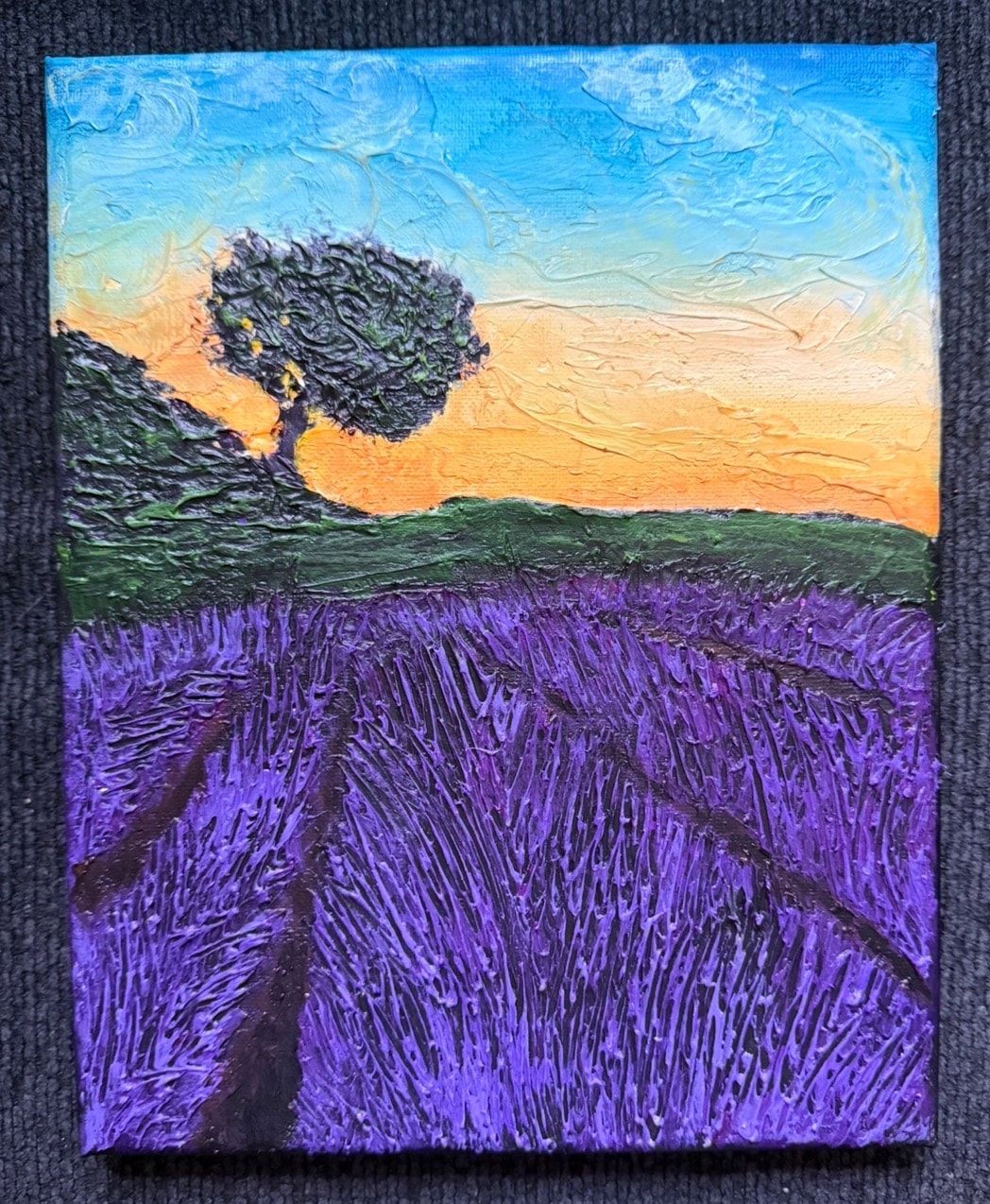
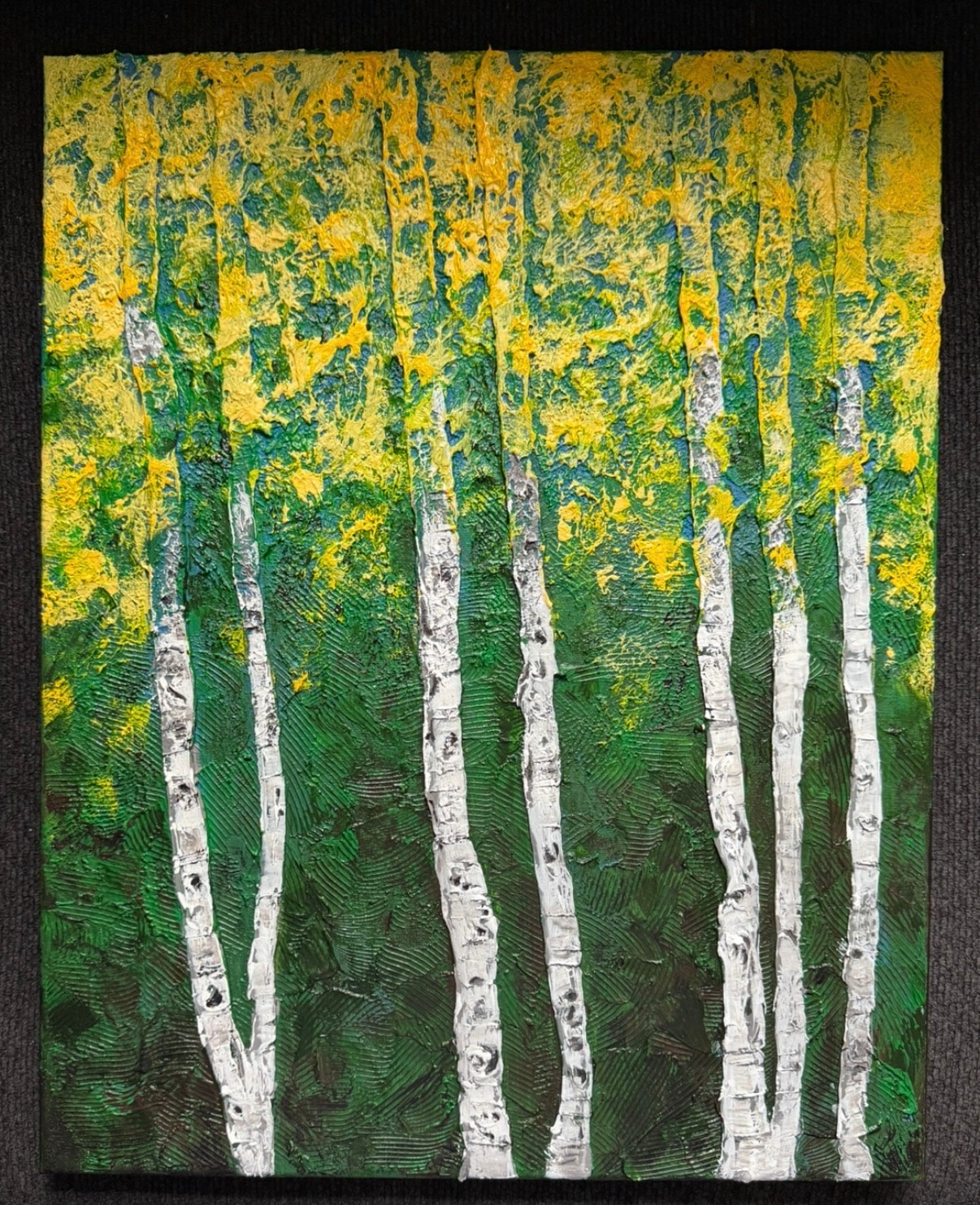
Caulk texture painting is a more recent technique that uses construction-grade caulk as the primary texture medium. The artist applies caulk to the canvas in thick ridges, shapes, and forms — building up a dimensional surface that is then painted with acrylic or oil colors.
The advantage of caulk over paint for texture is that caulk can be applied in much thicker layers without cracking, dries to a flexible and durable surface, and can be shaped and sculpted in ways that paint cannot. The result is textured art with extraordinary dimensional depth — ridges that stand up from the surface by a quarter inch or more, creating shadows and highlights that change as the light changes.
Jay the Painter of Akron, Ohio is one of the leading practitioners of caulk texture painting in the United States. His technique involves applying caulk in thick, directional ridges that follow the natural forms of the subject — the petals of a flower, the bark of a tree, the waves of a landscape — then painting in layers of acrylic color that sink into the valleys and pop on the peaks.
Mixed Media Texture
Some textured artists use a combination of materials — modeling paste, gel medium, sand, fabric, paper, and other materials embedded in the paint surface. Mixed media textured paintings can have extraordinarily complex surfaces with multiple layers of texture and material.
Impasto Painting
Impasto is the general term for any painting technique that applies paint in thick, raised layers. All palette knife painting is impasto, but not all impasto is palette knife — some artists use brushes to build up thick paint surfaces. Impasto textured paintings have a characteristic richness and depth that flat paintings cannot achieve.
How to Evaluate Quality in Original Textured Art
Not all textured paintings are created equal. Here is what to look for when evaluating quality.
Intentionality of Texture
The best textured paintings use texture intentionally — the dimensional surface serves the subject and composition. In a floral textured painting, the ridges should follow the natural direction of the petals. In a landscape, the texture should create a sense of depth and movement. In an abstract, the texture should be part of the visual language of the piece.
Texture that is applied randomly or uniformly — the same pattern everywhere regardless of subject — is a sign of a less skilled approach. Look for textured art where the dimensional surface is clearly responding to the subject.
Consistency and Craftsmanship
Look at the edges of the canvas, the back of the painting, and the overall finish. A well-crafted original textured painting will have clean edges, a properly prepared canvas, and a consistent finish. The texture should be sealed and protected — not raw and fragile.
Color Depth and Layering
In high-quality textured paintings, the color is not just painted on top of the texture — it is layered into it. The valleys of the texture should have deeper, richer color. The peaks should have lighter, more highlighted color. This layering creates the visual depth that makes textured art so compelling.
Durability
Original textured art should be built to last. Caulk texture paintings, when properly sealed with acrylic medium, are extremely durable — the flexible caulk base does not crack or flake the way thick paint can. Ask about the materials and sealing process before you buy.
What Is Fair Pricing for Original Textured Art?
Pricing for original textured art varies enormously based on the artist's reputation, the size of the work, the complexity of the technique, and the market. Here is a general framework.
Small Original Textured Paintings (under 8x10 inches)
Small original textured paintings — miniatures, studies, and small-format works — typically range from $40 to $200. These are accessible entry points for collectors who want original textured art without a large investment.
Jay the Painter's mini textured paintings are 2.44 inches and priced at $40 each — an extraordinary value for original, one-of-a-kind caulk texture art.
Mid-Size Original Textured Paintings (8x10 to 16x20 inches)
Mid-size original textured paintings are the most popular format for home collectors. Expect to pay $100 to $500 for quality original textured art in this size range from an established artist. Paintings with complex technique, exceptional subject matter, or significant reputation can command more.
Jay the Painter's mid-size textured paintings are priced between $150 and $250 — competitive pricing for original caulk art of this quality.
Large Original Textured Paintings (20x24 inches and above)
Large original textured paintings are significant investments. Expect to pay $300 to $2,000 or more for quality large-format original textured art. The price reflects not just the size but the time, materials, and skill required to execute a large textured painting successfully.
What Drives Price Up
- Artist reputation and exhibition history
- Complexity of technique
- Rarity of subject matter
- Provenance and documentation
- Gallery representation
What Drives Price Down
- Direct-from-artist sales (no gallery markup)
- Emerging artists building their reputation
- Online-only sales without physical gallery overhead
Buying directly from the artist — as you can at jaythepainter.com — typically means better prices than buying through a gallery, because there is no middleman taking a commission.
Red Flags When Shopping for Original Textured Art
The market for textured art includes some sellers who misrepresent what they are selling. Here are the red flags to watch for.
"Textured Print" or "Texture Gel Print"
If a listing says "textured print," "texture gel print," or "hand-embellished print," it is not original art. It is a reproduction with a texture coating. These can look convincing in photographs but are not original paintings.
Suspiciously Low Prices for Large Works
A large, complex original textured painting priced at $20 or $30 is almost certainly not what it claims to be. Original textured art takes significant time and materials to produce. If the price seems impossibly low, it is probably a print or a factory-produced piece.
No Artist Information
Legitimate original textured art comes with information about the artist — their name, location, background, and process. If a listing has no artist information, or if the "artist" is a brand name with no individual behind it, be skeptical.
Identical Listings from Multiple Sellers
If you find the same image listed as "original" by multiple different sellers, it is not original. Original paintings are one of a kind. If the same image appears in multiple listings, they are all prints or reproductions.
No Process Photos or Artist Story
Legitimate textured painting artists typically document their process and share their story. If a seller has no process photos, no artist bio, and no evidence of an actual human making the work, proceed with caution.
Where to Find Authentic Original Textured Art for Sale
There are several reliable places to find authentic original textured paintings for sale.
Direct from the Artist
Buying directly from the artist is the best option for most collectors. You get the best price (no gallery markup), direct communication with the person who made the work, and confidence that what you are buying is genuine.
Jay the Painter sells original textured paintings directly at jaythepainter.com. Every painting is one of a kind, made by hand in Akron, Ohio using the caulk texture technique. Prices are transparent, shipping is free, and Jay is available to answer questions about any piece.
Artist Websites and Online Galleries
Many textured painting artists sell directly through their own websites. Look for artists who show their process, share their story, and provide clear information about materials and technique.
Etsy and Similar Marketplaces
Etsy has a large market for original textured art. The quality varies enormously — some sellers offer genuine original textured paintings, others sell prints or factory-produced work. Read listings carefully, look at seller reviews, and ask questions before buying.
Local Art Fairs and Studio Sales
Local art fairs and open studio events are excellent places to find original textured art. You can see the work in person, meet the artist, and evaluate the texture and quality directly. Many textured painting artists participate in regional art fairs.
Galleries
Galleries that specialize in contemporary or regional art often carry original textured paintings. Gallery prices are typically higher than direct-from-artist prices due to commission, but galleries provide additional services like installation advice, provenance documentation, and return policies.
Jay the Painter: Original Textured Art for Sale in Akron, Ohio
Jay the Painter is an Akron, Ohio artist specializing in caulk texture paintings. His technique — applying thick caulk ridges to canvas, then painting in layers of acrylic color — produces original textured art with extraordinary dimensional depth.
Every painting in Jay's collection is:
- Original — one of a kind, made by hand, no prints or reproductions
- Signed — signed by Jay on the back
- Sealed — finished with acrylic medium for long-term durability
- Ready to hang — arrives ready to display
- Free shipping — ships free anywhere in the United States
Current Collection Highlights
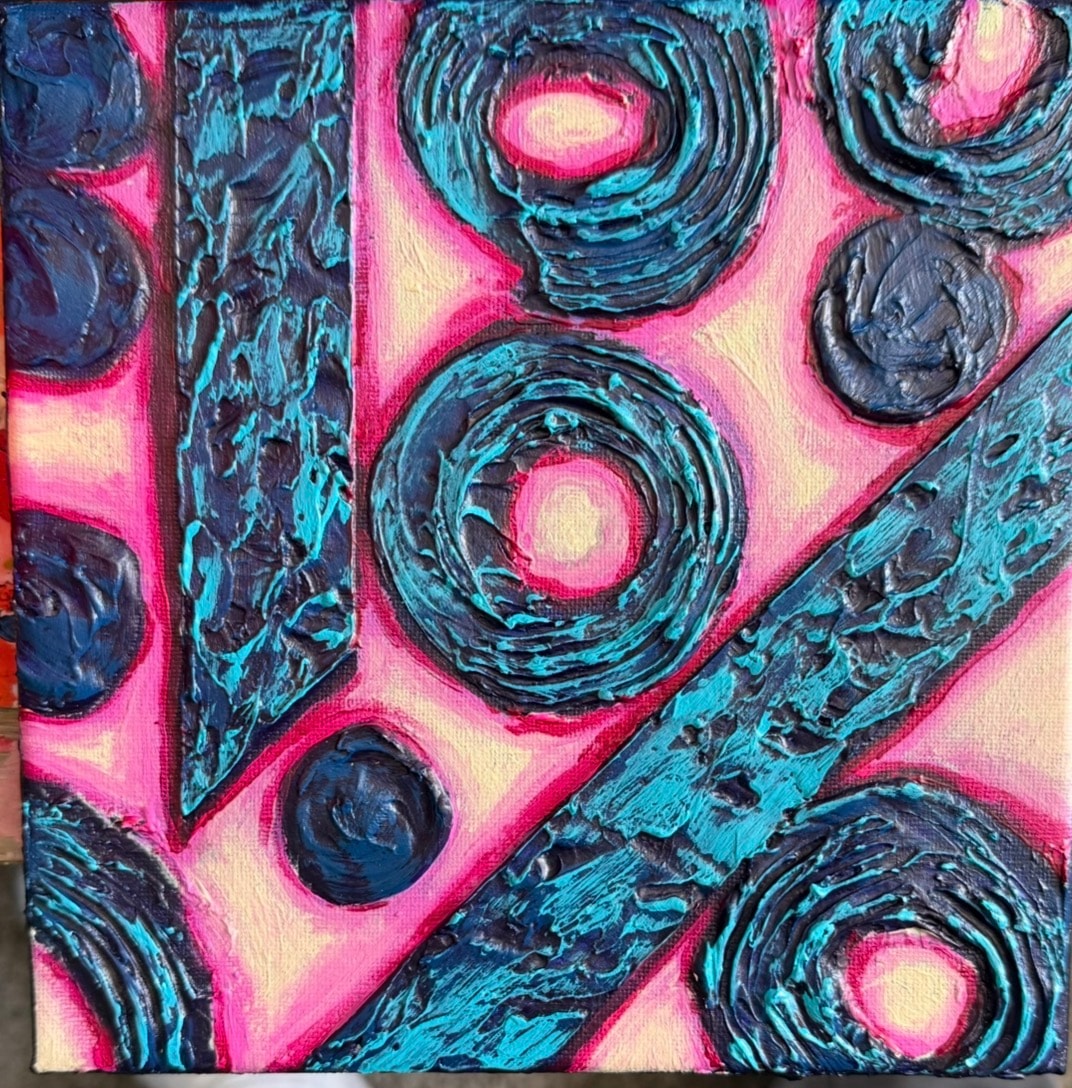
Neon Vortex Abstract — A swirling abstract in vivid pink, cyan, and purple. The caulk texture creates a dimensional vortex effect that photographs cannot fully capture. One of the most striking pieces in the current collection.
Violet Pansy in Full Bloom — A massive pansy filling the entire 8x10 canvas in thick radiating caulk ridges. Deep violet, magenta, and lavender. Extraordinary dimensional texture.
Mountain Lake Under Fire Sky — A dramatic landscape with a mountain lake reflecting a fiery sky. The caulk texture gives the water, mountains, and sky each their own distinctive surface quality.
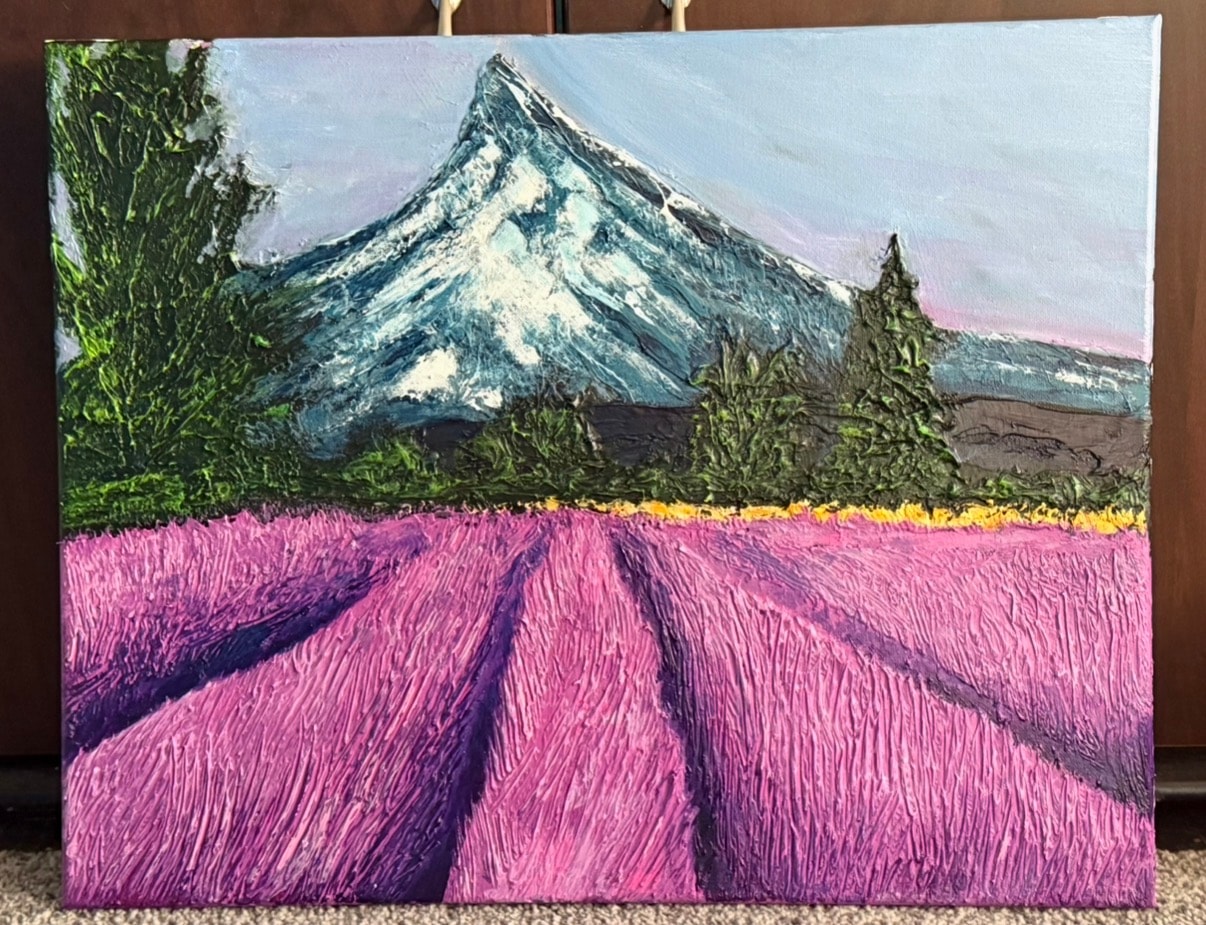
Lavender Mountain — A sweeping lavender field with snow-capped mountains. Soft and serene, with the dimensional texture of the lavender rows creating a sense of depth that photographs only hint at.
Enchanting Forest — A forest path disappearing into soft green light. Calming, dimensional, and deeply textured. One of the most popular pieces in the collection.
Browse the full collection at jaythepainter.com/artwork.
Frequently Asked Questions About Buying Original Textured Art
How do I know if a textured painting is really original?
Ask the seller directly: Is this a one-of-a-kind original painting, or a print? A legitimate seller will answer clearly. Also look for process photos, artist information, and evidence that the seller is an actual artist rather than a reseller.
Can I return an original textured painting if I don't like it in my space?
Return policies vary by seller. Jay the Painter handles returns on a case-by-case basis — reach out directly if you have concerns about a purchase.
How should I care for an original textured painting?
Dust gently with a soft dry brush. Avoid moisture, direct sunlight, and extreme temperature changes. Do not use cleaning products on the surface. A properly sealed textured painting will last for decades with basic care.
Does original textured art appreciate in value?
Original art by established artists can appreciate in value over time, particularly as the artist's reputation grows. Jay the Painter's work is priced accessibly now — early collectors are buying original caulk art at the beginning of a career that is gaining national recognition.
What is the difference between caulk art and palette knife painting?
Both are textured painting techniques, but they use different materials. Palette knife painting uses thick paint applied with a metal blade. Caulk art uses construction-grade caulk as the texture medium, which allows for thicker, more dimensional surfaces that are more durable and flexible than thick paint alone.
The Bottom Line on Original Textured Art for Sale
Original textured art is one of the most compelling categories in contemporary painting. The dimensional surface, the way it interacts with light, the handmade quality — these are things that flat prints and mass-produced canvas art simply cannot replicate.
When you buy original textured art, you are buying something that exists once, was made by a specific person, and will be yours alone. That is worth paying for.
Jay the Painter's original textured paintings are available now at jaythepainter.com. Every piece ships free, every piece is one of a kind, and every piece is made by hand in Akron, Ohio using the caulk texture technique that has made Jay's work distinctive in the American art market.
Browse the collection. Find the piece that belongs in your space. And buy original — because there is no substitute for the real thing.