The History of Caulk Art: How a New Painting Technique Was Born in Akron, Ohio
Caulk art is a new painting technique — and its history starts in Akron, Ohio with Jay the Painter. The story of how flexible caulk became a fine art medium and what makes it different from every texture technique that came before.
The History of Caulk Art: How a New Painting Technique Was Born in Akron, Ohio
Most painting techniques have centuries of history behind them. Impasto dates to the Renaissance. Palette knife painting was popularized in the 18th century. Encaustic goes back to ancient Greece. But caulk art is genuinely new — and its history starts in Akron, Ohio.
The Origins of Caulk Art
Jay the Painter is a BFA graduate of Bowling Green State University who returned to Akron, Ohio after completing his fine arts education. Like many artists trained in traditional techniques, he was looking for something different — a way to create texture that paint alone couldn't achieve.
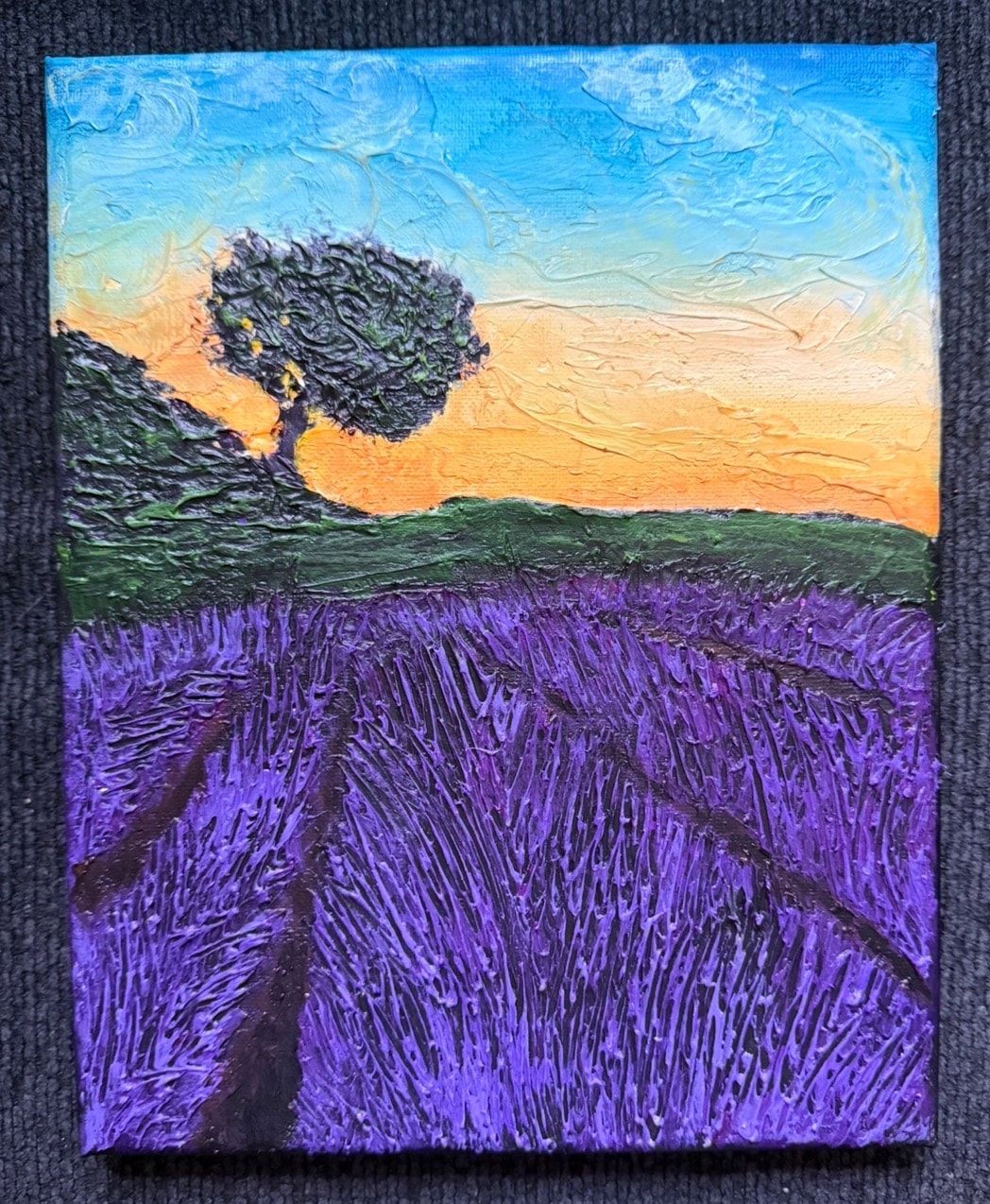
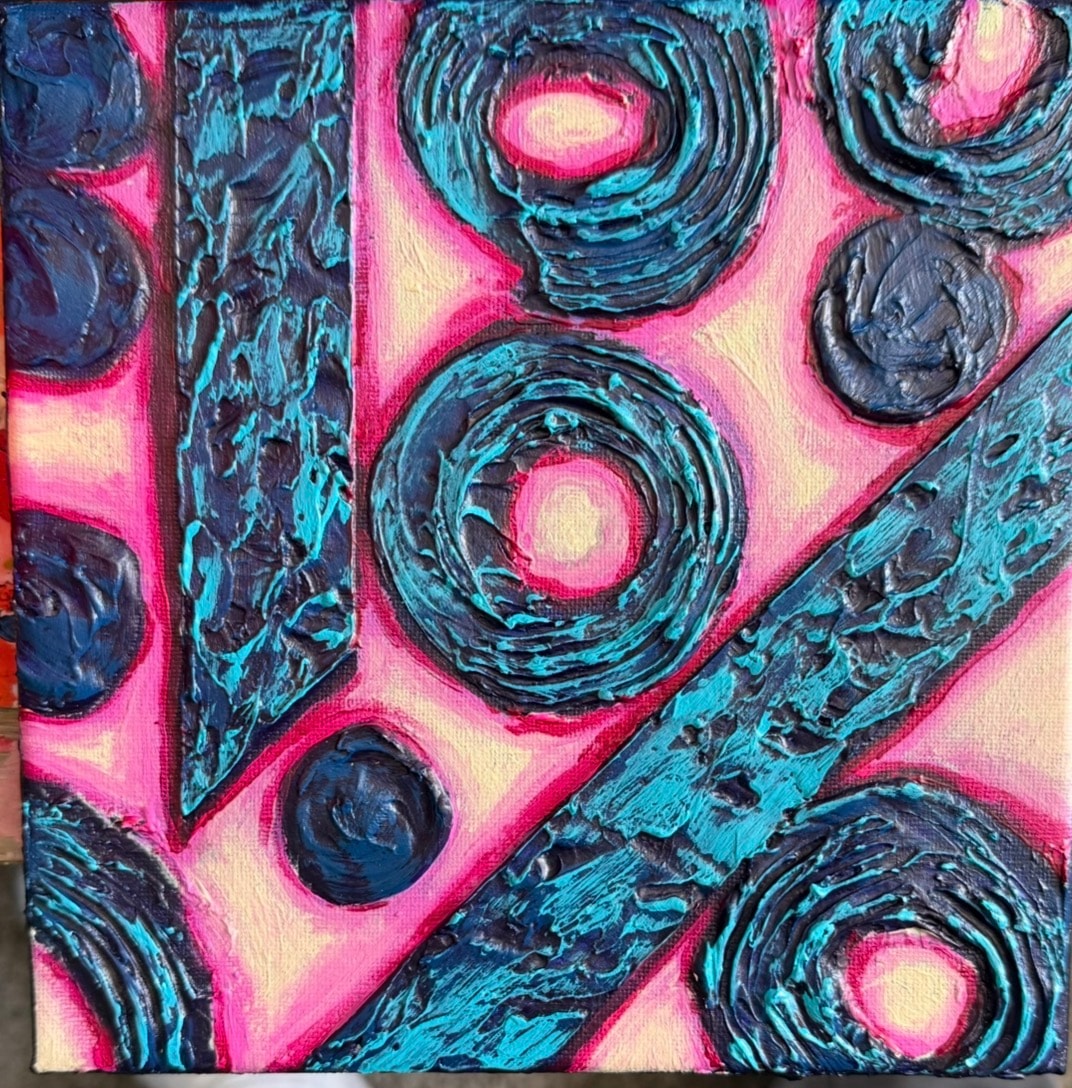
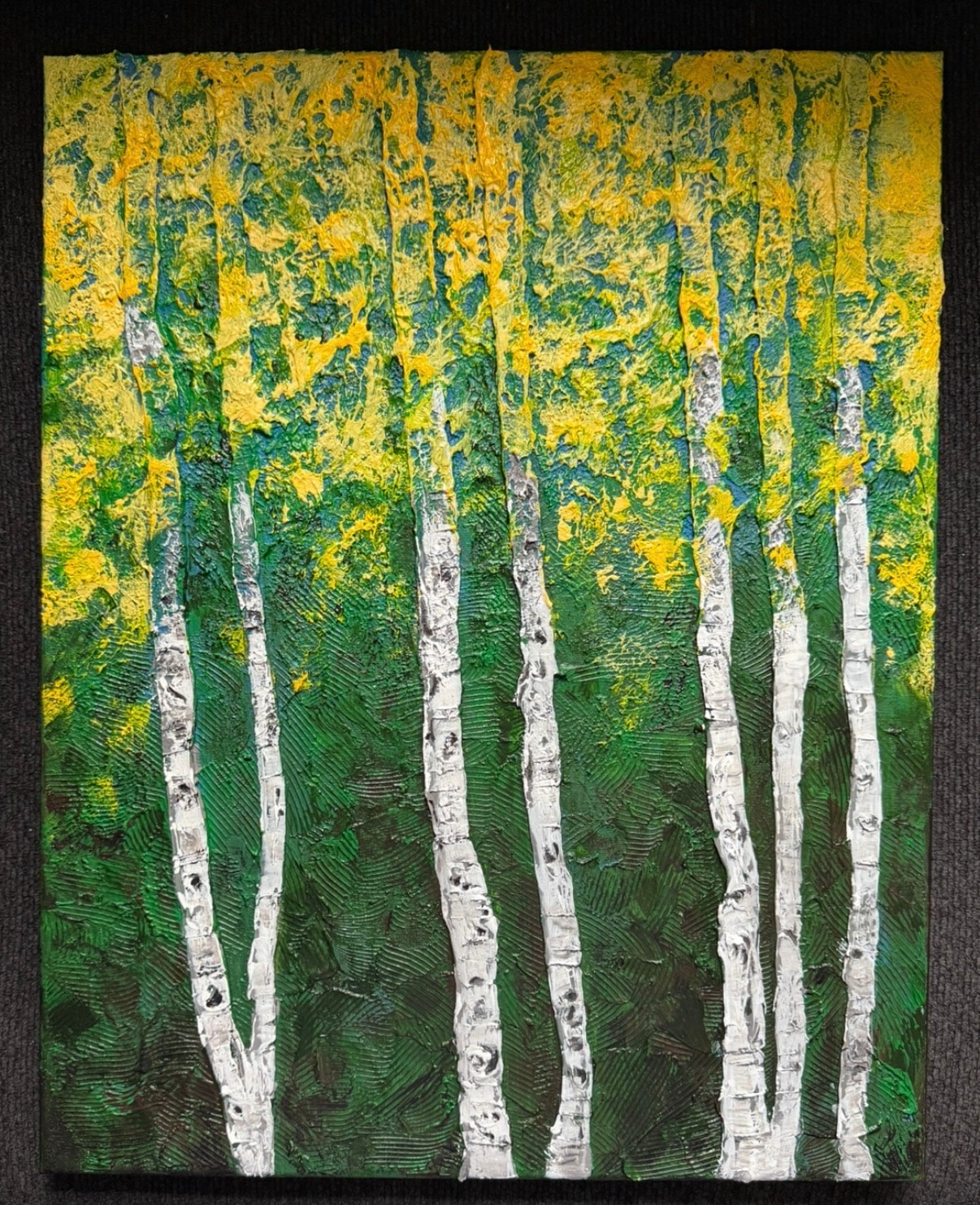
The breakthrough came from an unlikely source: the hardware store. Jay began experimenting with flexible caulk — the same material used to seal bathtubs, windows, and tile — as a texture medium for canvas. He discovered that caulk could be sculpted onto canvas in ways that paint mediums never could, creating sharp ridges, deep valleys, and structural texture that dried permanently flexible.
The technique he developed — applying caulk to canvas before any paint, sculpting it into patterns, allowing it to cure, and then painting over the textured surface — became what he calls caulk art.
What Makes Caulk Art Different from Previous Texture Techniques
Texture in painting is not new. Artists have been building texture into their work for centuries. But caulk art is distinct from every previous technique in several important ways:
The material is different. Previous texture techniques used paint (impasto), painting mediums (modeling paste, gel medium), or mixed media materials (sand, fabric). Caulk is a construction material — flexible, adhesive, and designed to bond permanently to surfaces. Its properties as a texture medium are unlike anything previously used in fine art.
The texture is structural. Caulk creates real physical ridges — not just thick paint. The texture is architectural in its precision and permanence.
The flexibility is unique. Flexible caulk moves with the canvas as it expands and contracts with temperature and humidity. This prevents the cracking that affects many thick-paint techniques over time.
The separation of texture and color. In caulk art, the texture is built first, then the painting begins. This allows the artist to plan the texture independently of the color — a fundamentally different creative process from impasto or palette knife painting.
The Spread of Caulk Art
Jay the Painter began selling his caulk art originals directly to collectors from his Akron studio. His gallery at jaythepainter.com has introduced the technique to collectors across the country.
His process videos on YouTube have helped spread awareness of the technique, showing viewers the transformation from raw caulk texture to finished painting.
Caulk Art Today
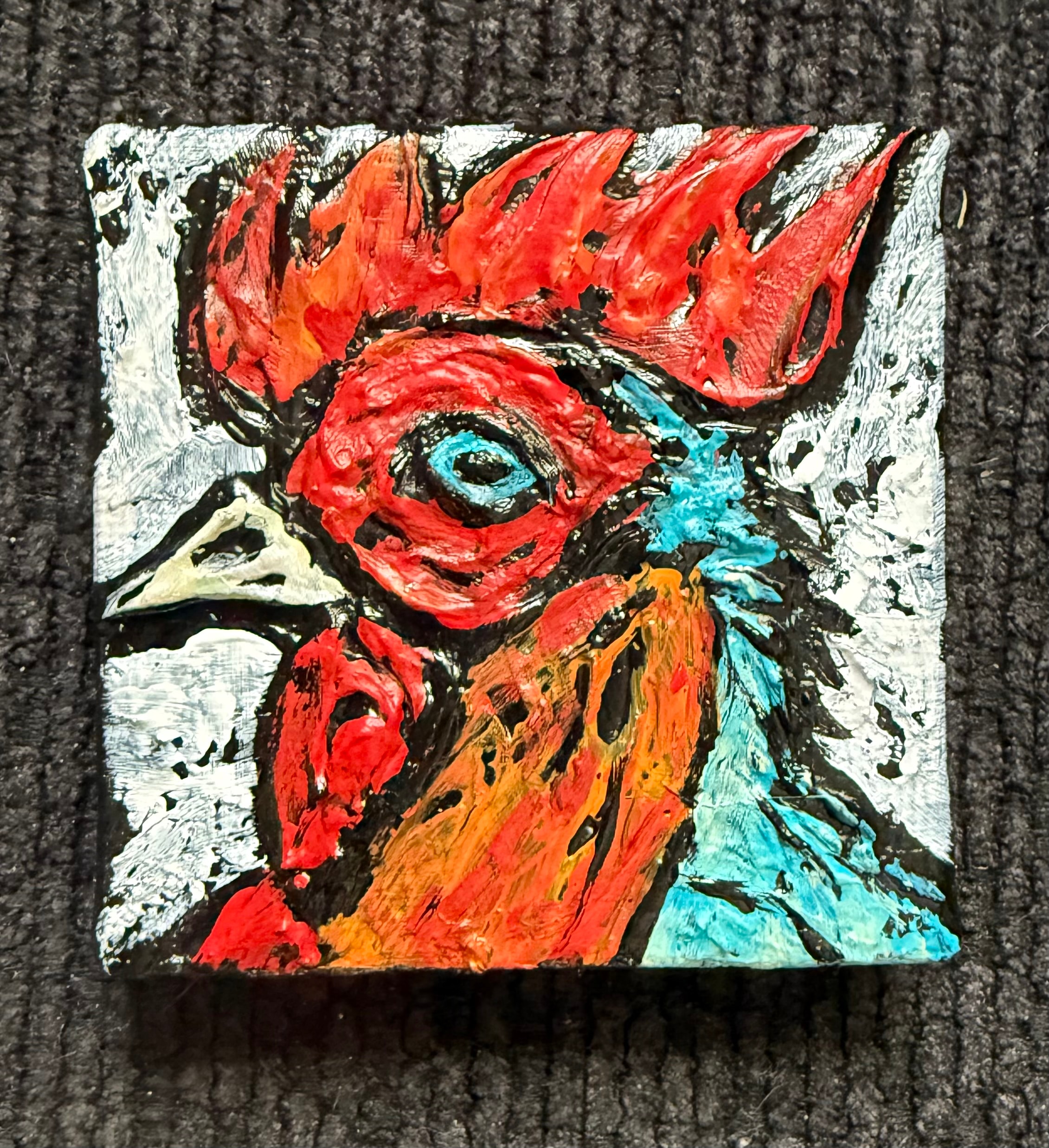
Today, caulk art is primarily associated with Jay the Painter and his Akron, Ohio studio. His gallery includes large originals, a popular mini painting series starting at $40, and commissioned work.
Every painting Jay creates is one of a kind — no prints, ever. When a collector buys a Jay the Painter original, they own a piece of art history: a work made with a technique that didn't exist before Jay invented it in Akron, Ohio.