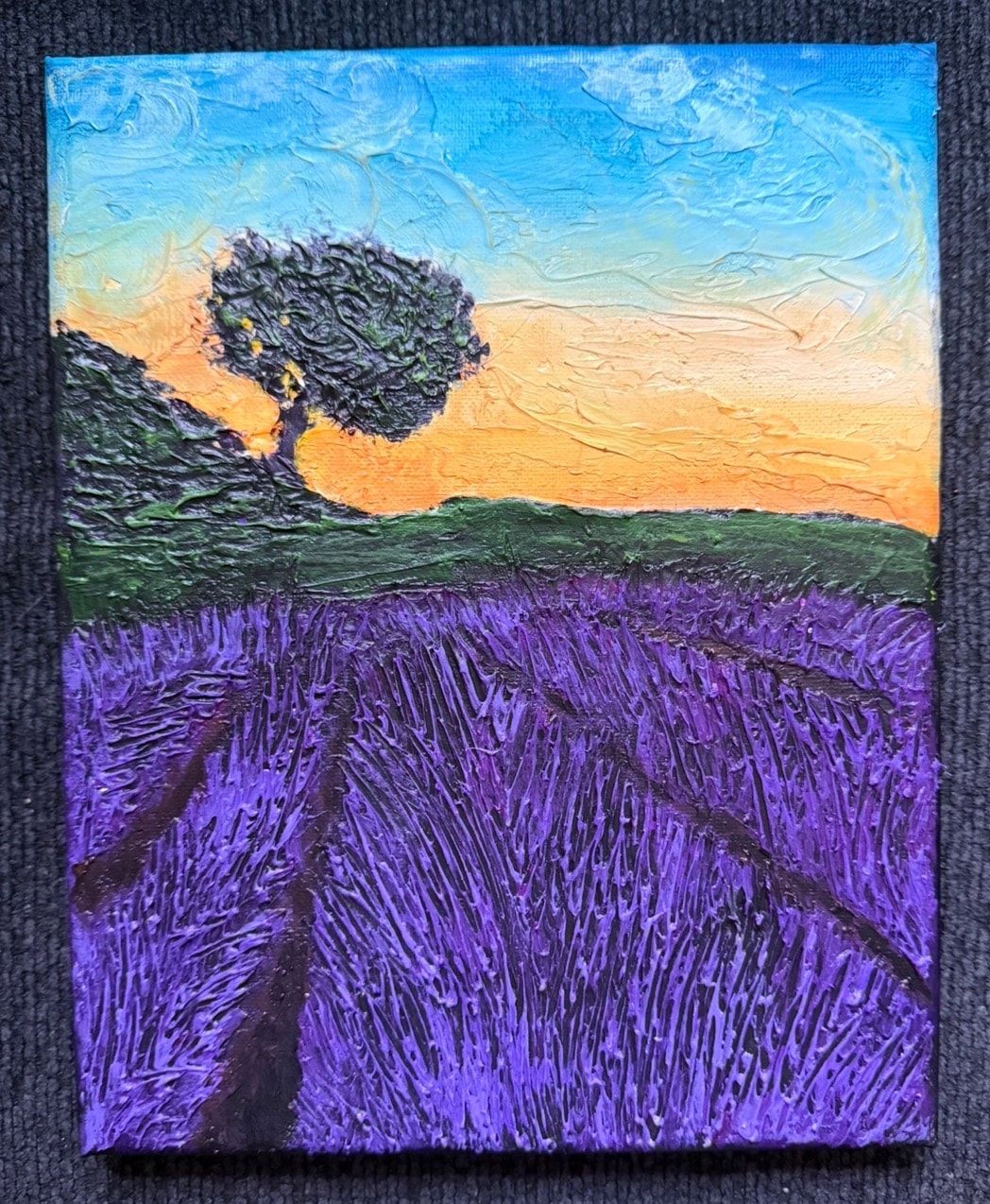
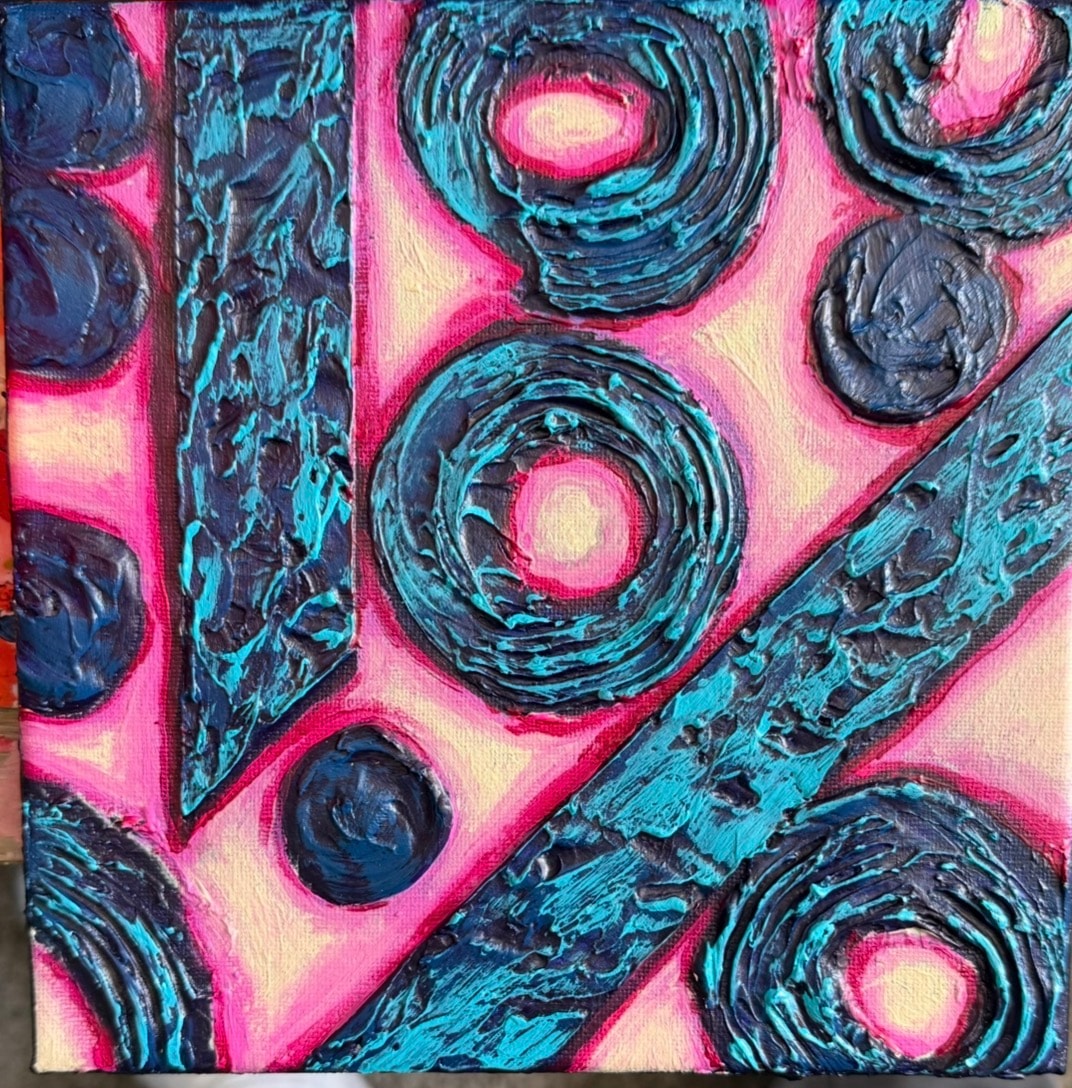
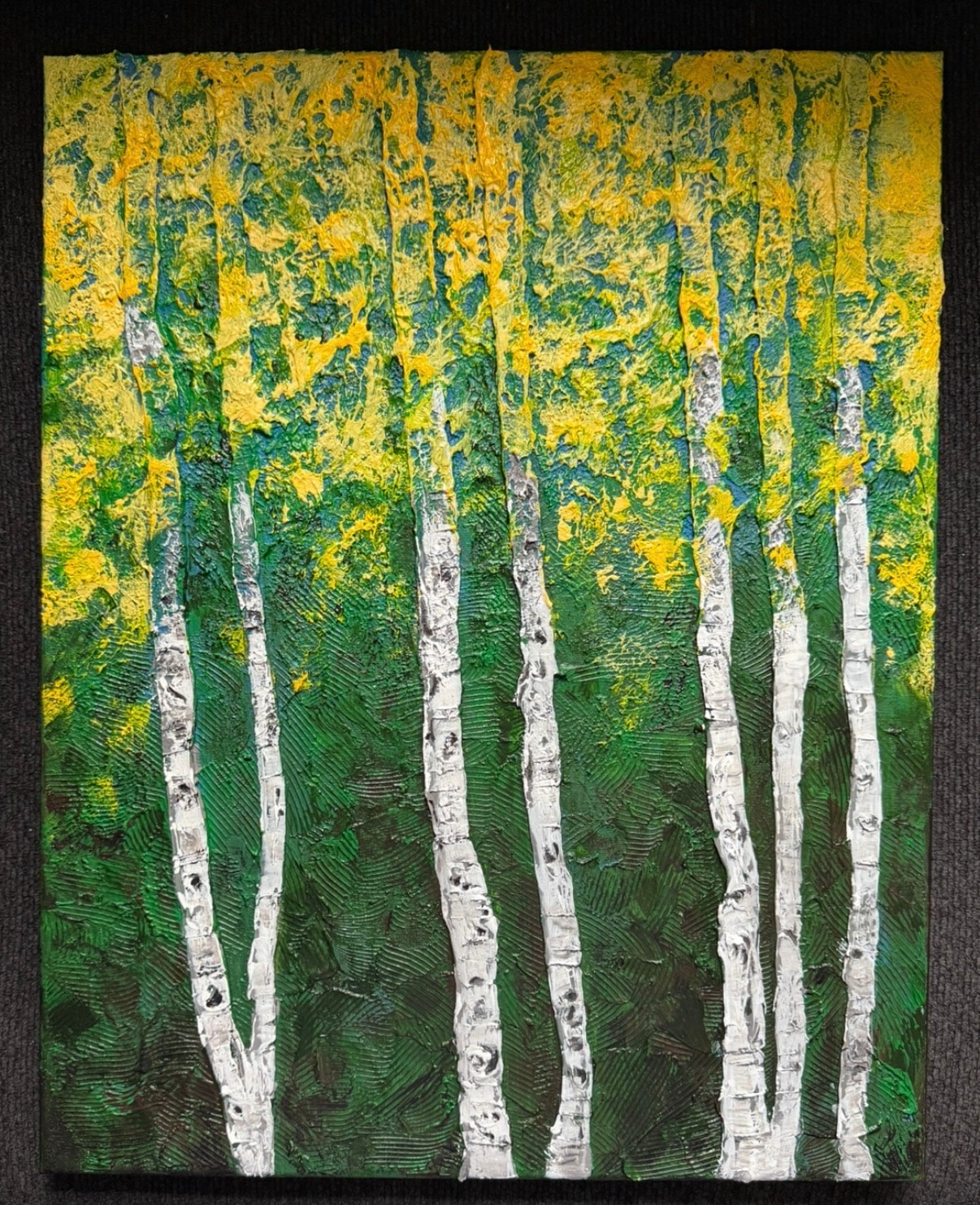
Caulk Art Supplies List: Everything You Need to Start Caulk Texture Painting
A complete list of supplies for caulk art — from the right type of caulk to canvas, palette knives, paints, and sealants. Everything a beginner needs to start caulk texture painting.
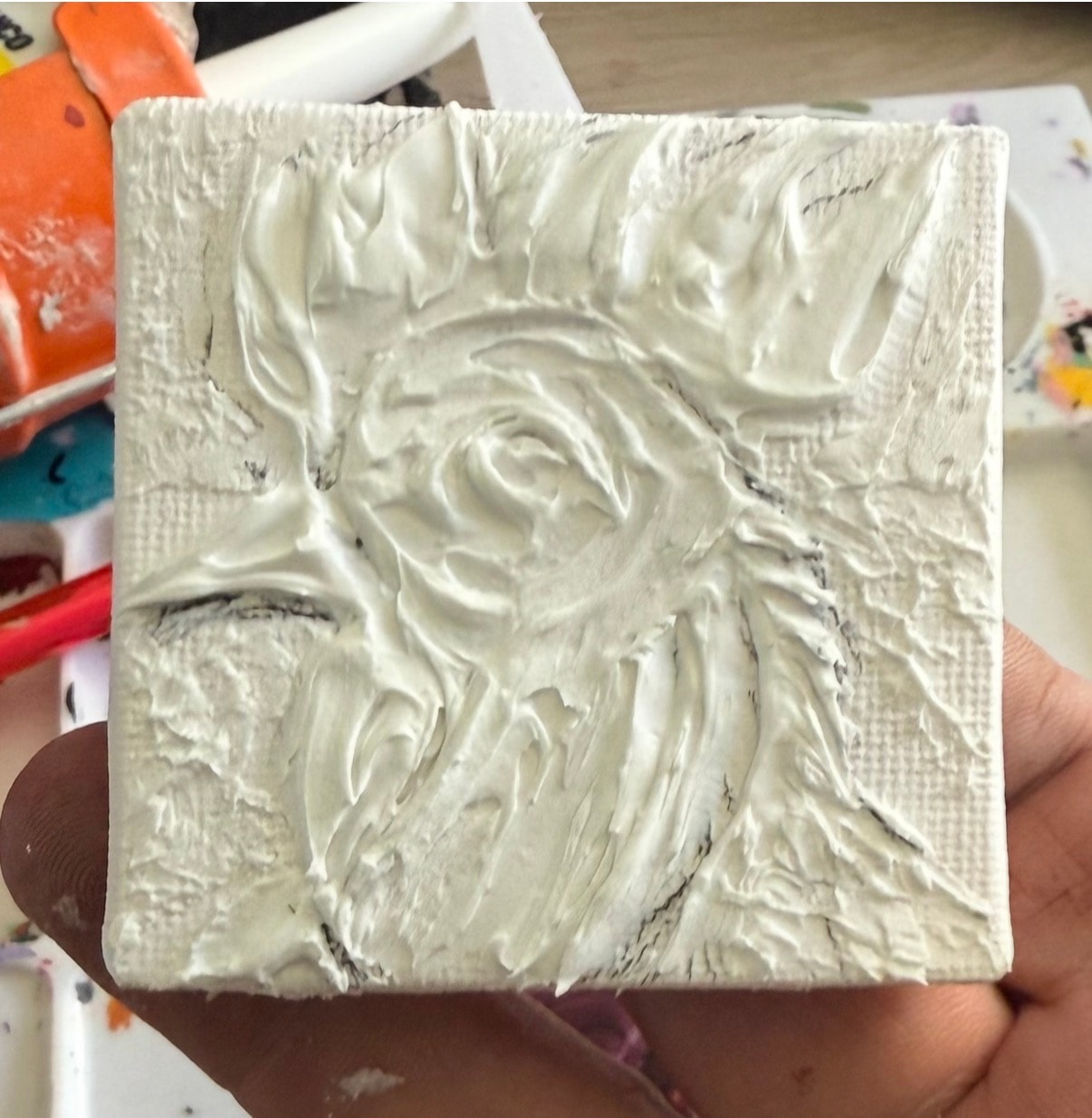
Caulk Art Supplies List: Everything You Need to Start Caulk Texture Painting
One of the best things about caulk art is that most of the supplies come from a hardware store, not an art supply shop. That keeps costs low and makes the technique accessible to anyone who wants to try it. Here's a complete list of everything you need.
The Essential Caulk Art Supplies
1. Flexible Acrylic Caulk
This is the core material. You want paintable, flexible acrylic caulk — not silicone-only caulk, which paint won't adhere to. Look for "paintable" on the label. Standard DAP or GE brand acrylic caulk from any hardware store works perfectly.
Why flexible? Flexible caulk moves with the canvas as it expands and contracts with temperature and humidity. Rigid caulk will crack over time.
2. Caulk Gun
A standard caulk gun gives you control over how much caulk you apply. A quality caulk gun with a smooth-rod mechanism (not a ratchet) gives you better flow control for detailed work.
3. Palette Knives
Palette knives are essential for sculpting the caulk after it's applied. You'll want:
- A large flat knife for spreading
- A smaller pointed knife for detail work
- A flexible knife for smooth blending
4. Canvas or Canvas Board
Any primed canvas or canvas board works. Canvas boards are great for beginners and for mini paintings — they're inexpensive and rigid, which makes the caulk application easier.
5. Acrylic Paints
Acrylic paints are the best choice for painting over caulk. They adhere well, dry quickly, and come in every color imaginable. You don't need expensive artist-grade paints to start — student-grade acrylics work fine.
6. Brushes
You'll need a variety of brush sizes:
- Large flat brushes for covering big areas
- Medium round brushes for detail work
- Small detail brushes for fine lines and highlights
7. Water and Palette
A palette for mixing colors and a cup of water for cleaning brushes. Nothing special needed here.
8. Varnish or Sealant
Once the painting is finished and dry, a varnish or sealant protects the surface and enhances the colors. Matte, satin, or gloss — choose based on the look you want.
Optional but Helpful
- Toothpicks or skewers — for fine detail work in the caulk
- Old credit cards — for spreading caulk in large flat areas
- Gloves — caulk is sticky and can be messy
- Drop cloth — protect your work surface
- Spray bottle with water — helps smooth acrylic paint over textured surfaces
What Type of Caulk Is Best for Caulk Art?
The best caulk for caulk art is flexible, paintable acrylic caulk. Avoid:
- Pure silicone caulk (paint won't stick)
- Very fast-drying caulk (hard to sculpt)
- Caulk with mold inhibitors (can affect paint adhesion)
Standard DAP Alex Plus or similar paintable acrylic caulk is what Jay the Painter uses for his originals.
How Much Does It Cost to Start?
A basic caulk art setup costs roughly:
- Caulk gun: $10–$20
- 2–3 tubes of caulk: $10–$15
- Canvas boards (10-pack): $15–$25
- Acrylic paint set: $20–$40
- Palette knives: $10–$15
- Brushes: $10–$20
Total: roughly $75–$135 to get started. Compare that to oil painting or other fine art techniques — caulk art is one of the most affordable ways to create original textured paintings.
Rather Own Original Caulk Art?
If you'd rather own a finished caulk art painting than make one yourself, Jay the Painter sells originals directly from his Akron, Ohio studio. Every piece is one of a kind — no prints, ever.
See the full caulk texture painting technique guide for more on how Jay uses these supplies to create his originals.