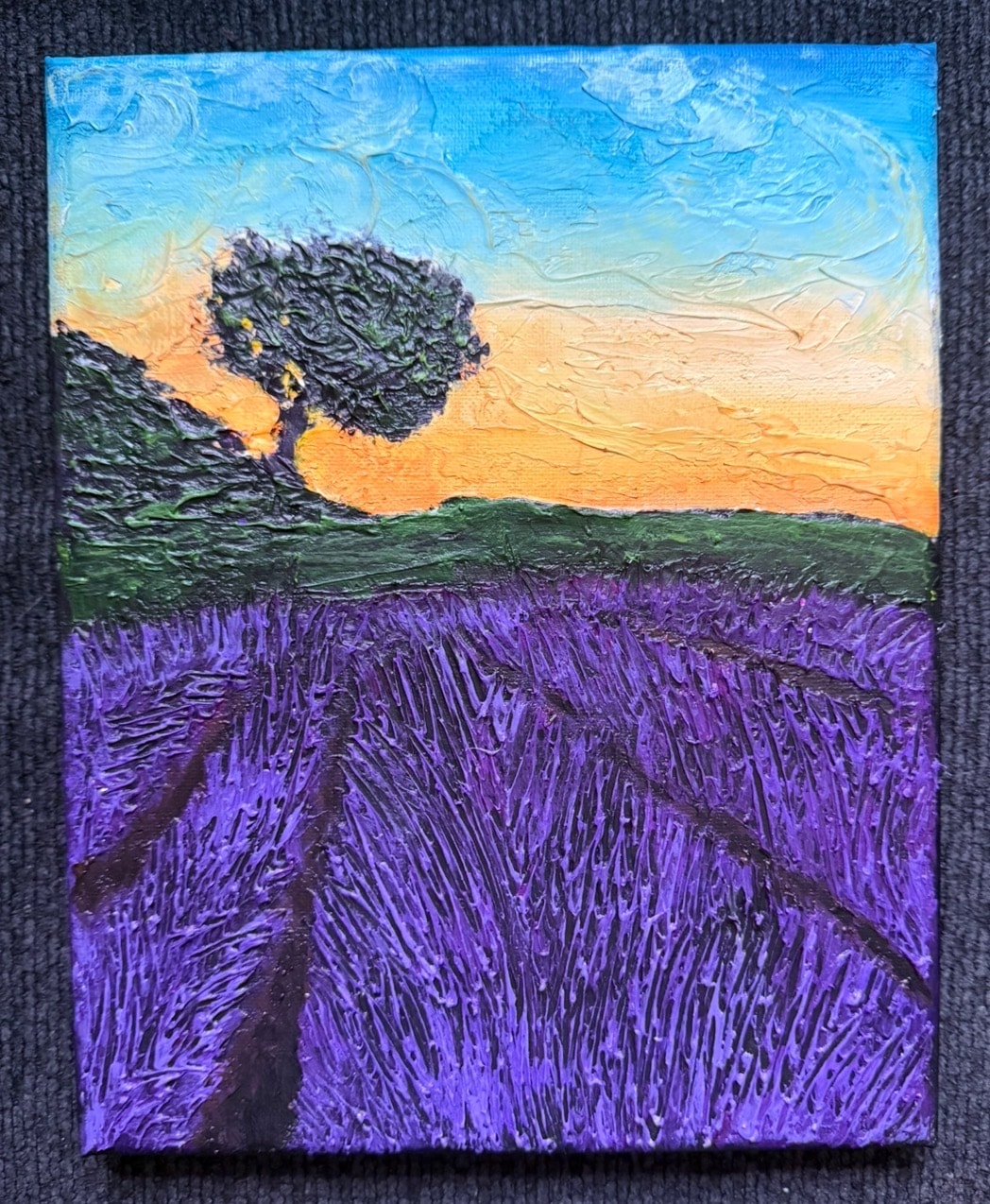
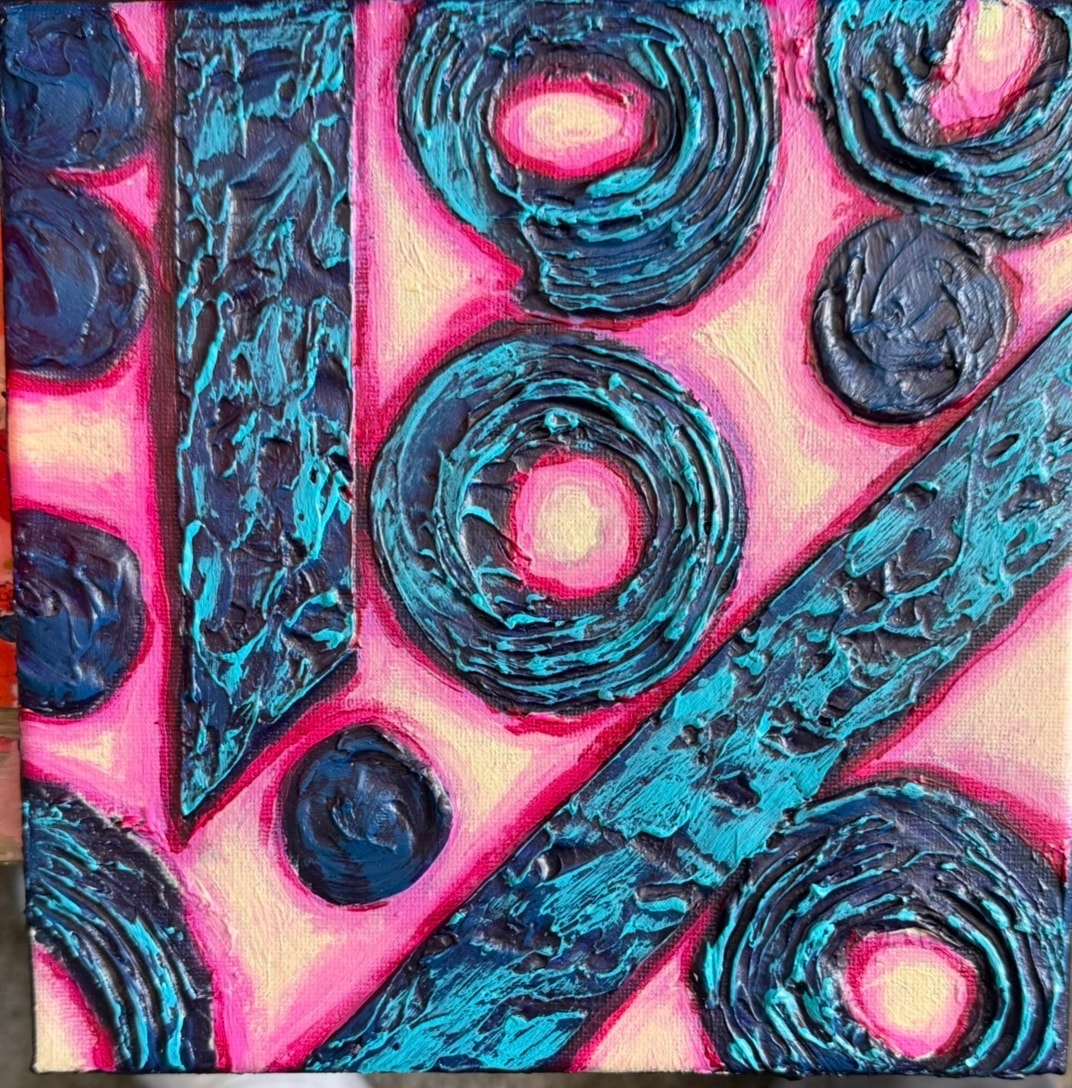
What Makes a Caulk Art Painting Worth Collecting? 7 Things to Look For
Not all textured paintings are created equal. Here are the 7 things that make a caulk art painting genuinely worth collecting — from the depth of the texture to the permanence of the technique — and what separates Jay the Painter's originals from everything else.
What Makes a Caulk Art Painting Worth Collecting? 7 Things to Look For
The art market is full of textured paintings. Palette knife work, impasto, modeling paste, mixed media — there are dozens of ways to add dimension to a canvas, and plenty of artists doing it. So when you're considering a caulk art painting, how do you know if it's worth collecting?
The answer isn't just about price. It's about what the painting actually is — the technique behind it, the permanence of the surface, the uniqueness of the work, and the story it carries. Here are the 7 things that make a caulk art painting genuinely worth collecting.
1. The Texture Is Structural, Not Decorative
The first thing to understand about caulk texture painting is that the texture isn't added on top of the painting. It's the foundation the painting is built on.
In Jay the Painter's process, flexible acrylic caulk is applied to the canvas before any paint. The caulk is sculpted into the forms of the subject — feathers, petals, bark, waves, whatever the painting depicts — and allowed to cure completely. Only then does painting begin.
This means the texture is structural. It's not a layer of thick paint dragged across the surface. It's a three-dimensional sculpture that the painting is painted over. The ridges, valleys, and forms in the finished work are real physical structures, not painted illusions.
What to look for: Texture that follows the subject's actual anatomy. In a floral, the petal veins should be physical ridges. In a forest, the bark should have real roughness. In an abstract, the forms should have genuine depth. If the texture looks like it was applied randomly or doesn't relate to the subject, it's probably not structural.
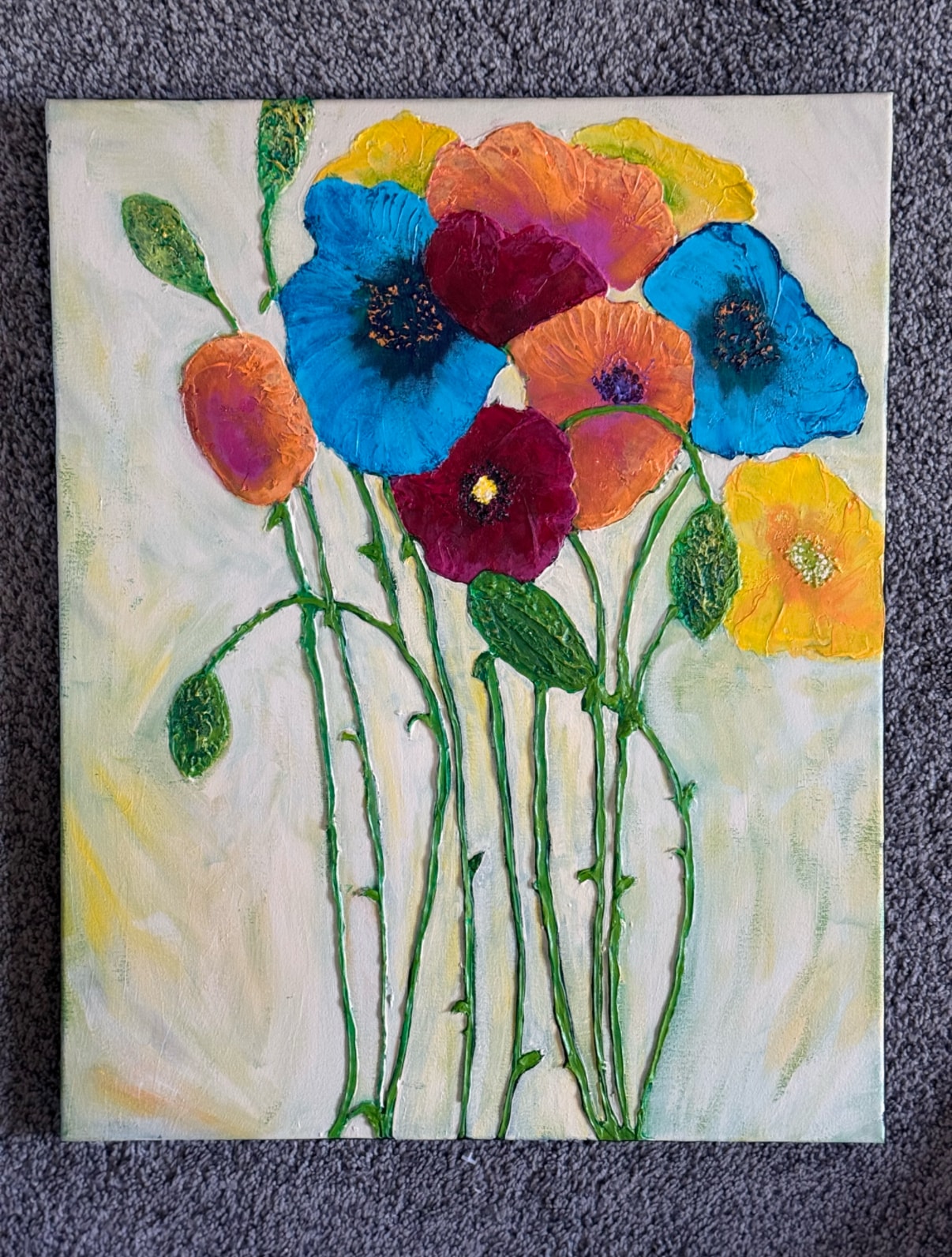
In Poppies, every petal has real dimensional form built in caulk. The texture follows the natural curve and overlap of each flower.
2. The Texture Has Real Depth
There's a difference between texture you can see and texture you can feel. Impasto and palette knife paintings have texture — but it's typically measured in millimeters. A few millimeters of raised paint is visible in raking light, but it doesn't create the kind of shadow and depth that changes how a painting reads at different distances.
Caulk texture can be built much thicker than paint. Because flexible caulk doesn't crack or shrink the way thick paint does, it can be applied in layers that stand a centimeter or more off the canvas surface. This creates texture that's visible from across the room, not just up close.
What to look for: Texture that casts real shadows. In good raking light (light coming from the side), a well-built caulk texture painting should show clear shadows cast by the raised surfaces. If the shadows are subtle or barely visible, the texture is shallow. If the shadows are dramatic and shift as the light moves, the texture has real depth.
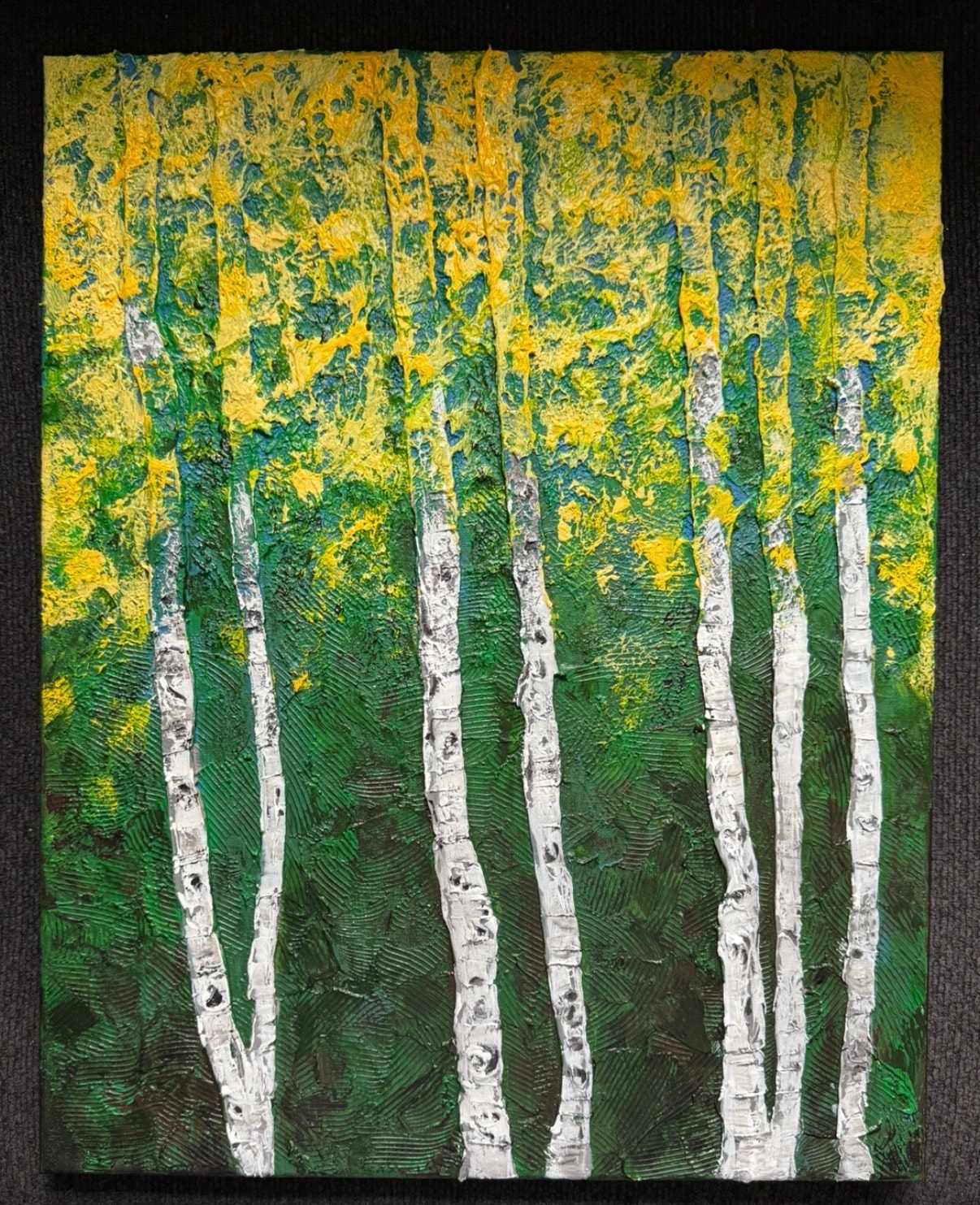
The birch bark texture in Birch Forest in Autumn has real depth — each ridge casts a shadow that shifts as the light changes.
3. The Technique Is Permanent
One of the most important questions about any textured painting is: will it last?
Thick paint — especially acrylic impasto — can crack over time. The paint shrinks as it cures, and very thick applications develop internal stress that eventually shows up as surface cracks. This is especially true on flexible canvas, which moves as temperature and humidity change.
Flexible acrylic caulk is designed to move. It's engineered to flex and return to its original shape without cracking — that's why it's used to seal joints between materials that expand and contract at different rates. On canvas, this means the caulk texture moves with the canvas rather than fighting it.
A properly built caulk texture painting, sealed with a quality varnish, should last for decades without surface cracking or deterioration.
What to look for: Ask the artist about their process. Do they use flexible caulk or a rigid medium? Do they seal the finished surface? Is the caulk fully cured before painting begins? These questions separate a painting built to last from one that may develop problems over time.
4. It's Genuinely One of a Kind
"One of a kind" is a phrase that gets used loosely in the art market. Limited edition prints are called one of a kind. Reproductions with hand-applied touches are called one of a kind. The phrase has been stretched to cover a lot of things that aren't actually unique.
A caulk art original is one of a kind in the strictest sense: the physical object — the canvas with the caulk sculpture and the paint — exists once. It cannot be reproduced. A print of a caulk art painting is a flat photograph of a three-dimensional object. It captures one image of the painting in one light. The original painting is different in every light, from every angle, at every distance.
Jay the Painter makes no prints. Every painting he sells is the only one that will ever exist.
What to look for: Confirmation that the artist makes no prints or reproductions. If an artist sells prints of their textured work, the originals are less unique — the image exists in multiple forms. If the artist sells originals only, you own something that genuinely cannot be replicated.
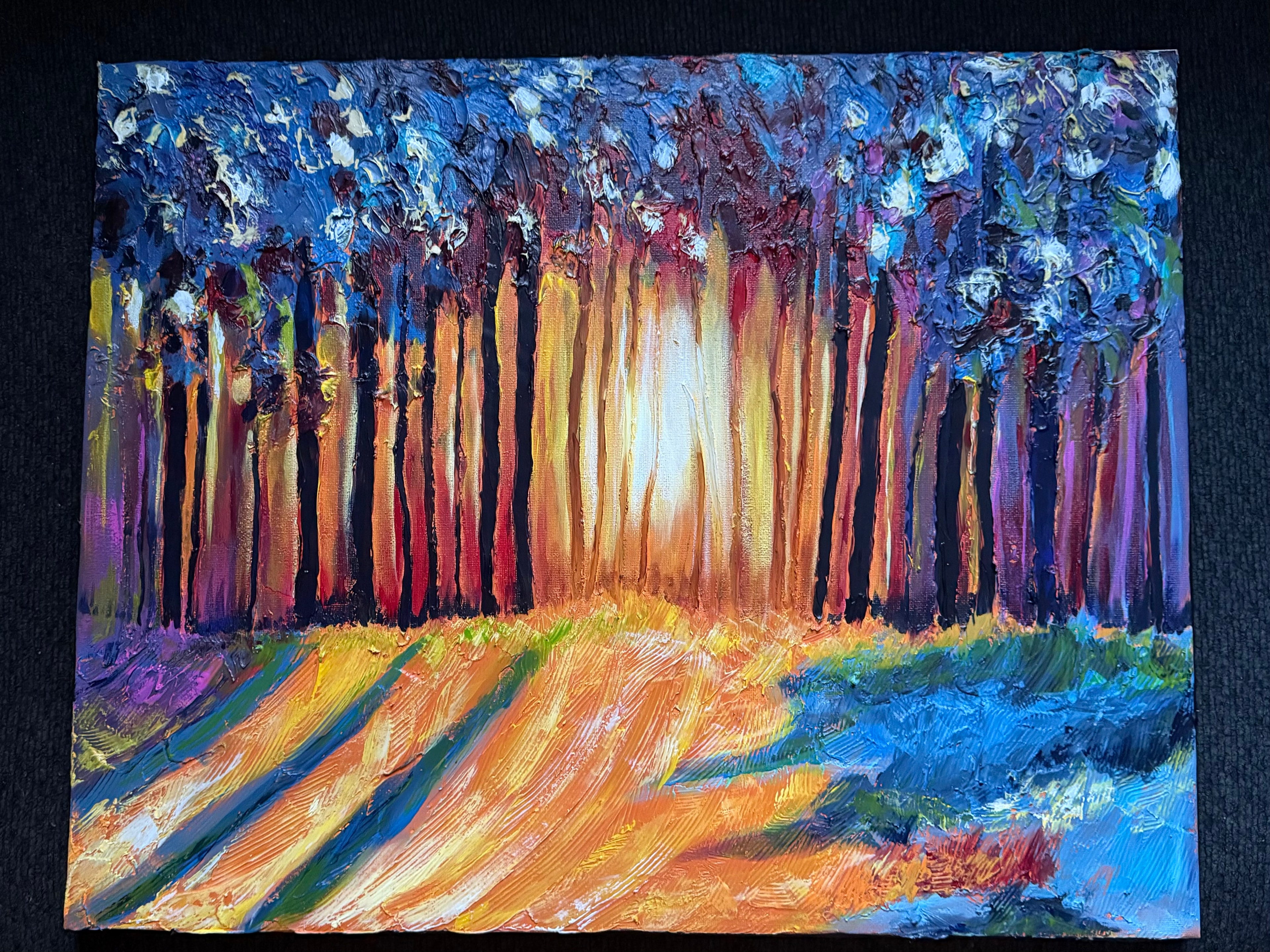
Enchanting Forest exists once. No print captures the way the caulk texture shifts in changing light.
5. The Artist Has a Documented Process
Collecting art is partly about collecting the story behind the art. A painting with a documented process — photographs of the work in progress, video of the technique, written explanation of how it was made — is more valuable than an identical painting with no documentation.
Process documentation does several things for a collector:
- It confirms the technique is genuine. You can see that the texture was built in caulk, not applied with a texture roller or printed with a 3D printer.
- It gives you something to share. When someone asks about the painting, you can show them how it was made.
- It creates a historical record. If the artist's reputation grows, the documentation becomes part of the painting's provenance.
Jay the Painter has process photos for several paintings — including the rooster, the butterfly, and the Blue Forest Path — showing the caulk sculpture stage before any paint was applied.
What to look for: Before-and-after photos showing the caulk stage. Video of the technique. Written explanation of the process. The more documentation, the stronger the provenance.
See the rooster transformation → | See the butterfly transformation → | See the Blue Forest Path process →
6. The Artist Is the Originator of the Technique
This is the factor that most collectors overlook — and it's the one that matters most for long-term value.
When you buy a painting by an artist who invented their technique, you're not just buying a painting. You're buying a piece of art history. If the technique gains recognition — if it's written about, taught, collected by institutions — the earliest works by the originator become historically significant.
Jay the Painter developed the caulk texture painting technique. He was the first to use flexible acrylic caulk as a primary sculptural medium for fine art canvas painting. His work is the origin point of the technique.
This is documented on his press page, in his artist statement, and in the structure of his work. He's not adapting someone else's technique. He invented this one.
What to look for: Evidence that the artist developed their technique independently, not as an adaptation of an existing method. An artist who can explain exactly why they chose their materials — not just that they use them — is more likely to be a genuine originator.
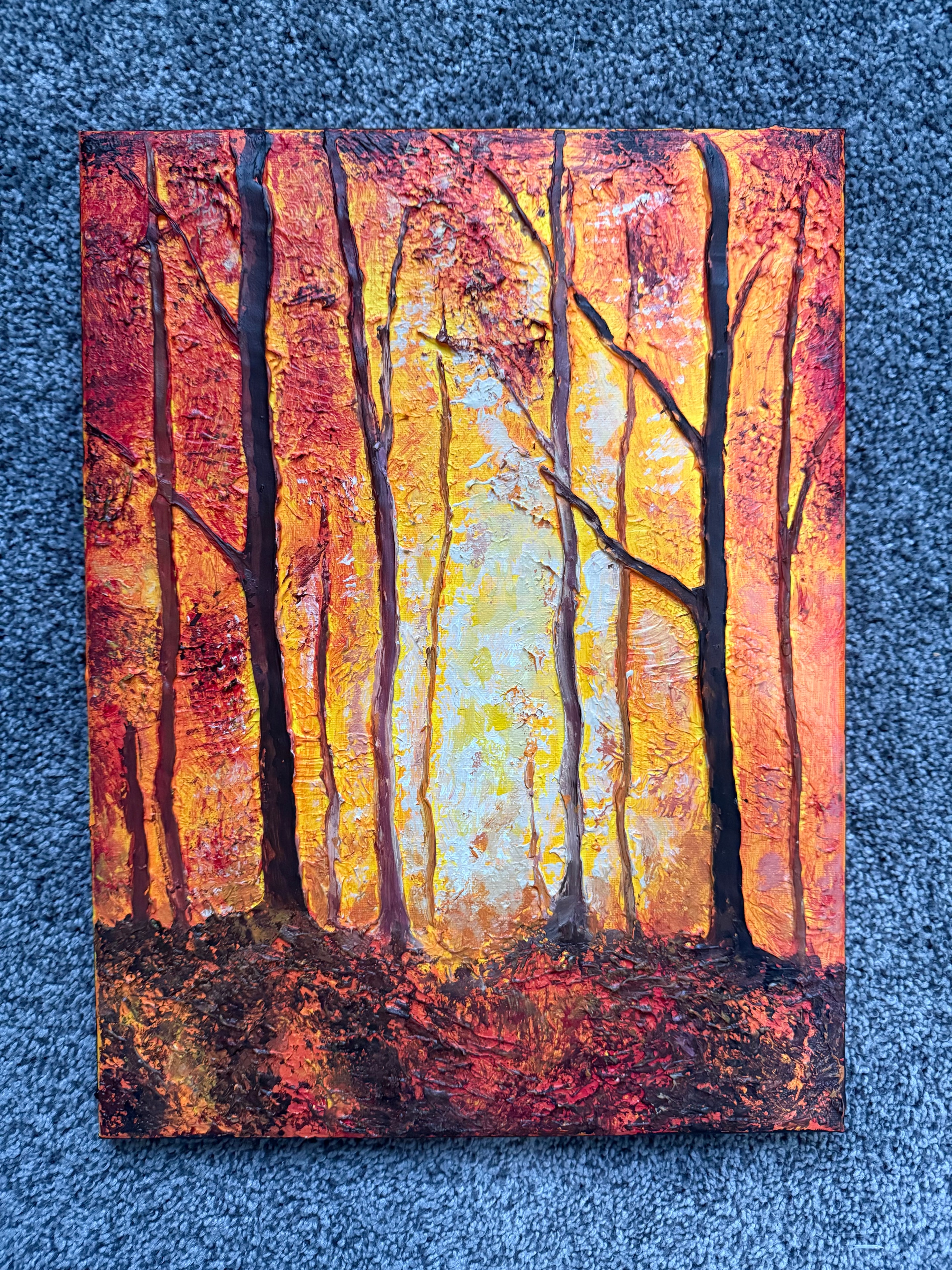
Jay the Painter developed the caulk texture technique in Akron, Ohio. Every painting in his collection is part of that origin story.
7. The Price Reflects the Work, Not the Hype
Caulk art paintings are priced based on size, complexity, and the amount of work involved — not on gallery markup, dealer commissions, or manufactured scarcity.
Jay the Painter sells directly from his Akron, Ohio studio. There's no gallery taking 50%. No dealer adding margin. The price you pay is the price the artist sets, and it reflects the actual work that went into the painting.
This matters for collectors because it means the pricing is honest. A $400 painting took significantly more work than a $150 painting — more caulk, more layers, more painting time. A $40 mini painting is a genuine original made with the same technique as the large pieces, just smaller.
What to look for: Pricing that scales with size and complexity. An artist who can explain why a painting is priced the way it is. Direct sales from the artist, without gallery or dealer markup.
Browse the full collection — originals from $40 →
The Bottom Line
A caulk art painting worth collecting has:
- Structural texture that follows the subject's anatomy
- Real depth — texture that casts visible shadows
- A permanent, flexible medium that won't crack over time
- Genuine one-of-a-kind status — no prints, no reproductions
- Documented process showing how it was made
- An artist who originated the technique
- Honest pricing that reflects the work
Every painting in Jay the Painter's collection meets all seven criteria.
Start Collecting
Full-size originals start at $100. Large statement pieces go up to $400. All ship free.
Mini paintings — 2.44" originals with the same caulk texture technique — start at $40. Free shipping.
Browse the full gallery → | Browse mini paintings →
Questions? Text Jay directly at 330-285-3136. He'll tell you everything you want to know about any painting in the collection.
What is caulk art? → | The caulk texture painting technique → | About Jay the Painter →
Jay the Painter — original caulk art paintings from Akron, Ohio. Dimensional texture. One of a kind. Free shipping. Text 330-285-3136.