Buy Original Art Online: 5 Questions to Ask Before You Spend a Dollar
Buying original art online is easier than ever — and riskier than ever. Here are the 5 questions every buyer should ask before purchasing an original painting online, and how Jay the Painter answers every one of them.

Buy Original Art Online: 5 Questions to Ask Before You Spend a Dollar
The online art market has made it possible to buy original paintings from artists anywhere in the world, without leaving your home. That's genuinely good for collectors and artists alike.
It's also created a market where "original painting" can mean almost anything — from a museum-quality one-of-a-kind work to a mass-produced canvas with a few brushstrokes added to justify the word "original."
Before you spend money on an original painting online, ask these 5 questions. They'll tell you everything you need to know about whether the work is worth buying.
Question 1: Is This Truly One of a Kind?
This sounds obvious, but it's the most important question — and the answer is not always what you expect.
What to watch for:
-
"Original" prints — Some sellers use "original" to mean "original design" rather than "one-of-a-kind object." A print of an original painting is not an original painting. It's a reproduction. Ask explicitly: "Is this a one-of-a-kind original, or is it a print or reproduction?"
-
"Hand-embellished" prints — A print with a few brushstrokes added is still a print. The brushstrokes don't make it an original.
-
Limited editions — A limited edition of 500 is not a one-of-a-kind original. It's a reproduction with a number on it.
A genuine original painting exists as a single physical object. When it sells, it's gone. There is no other copy.
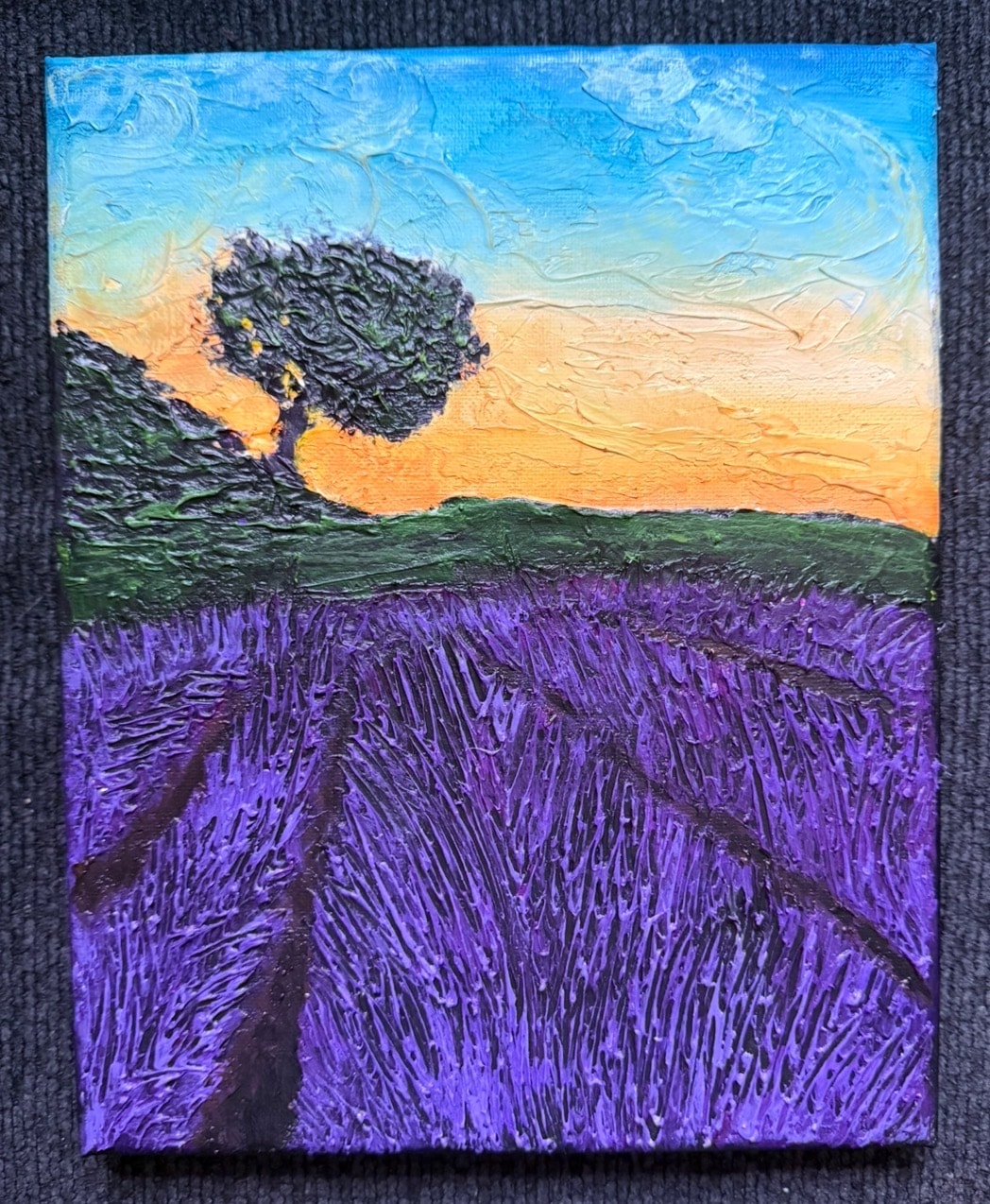
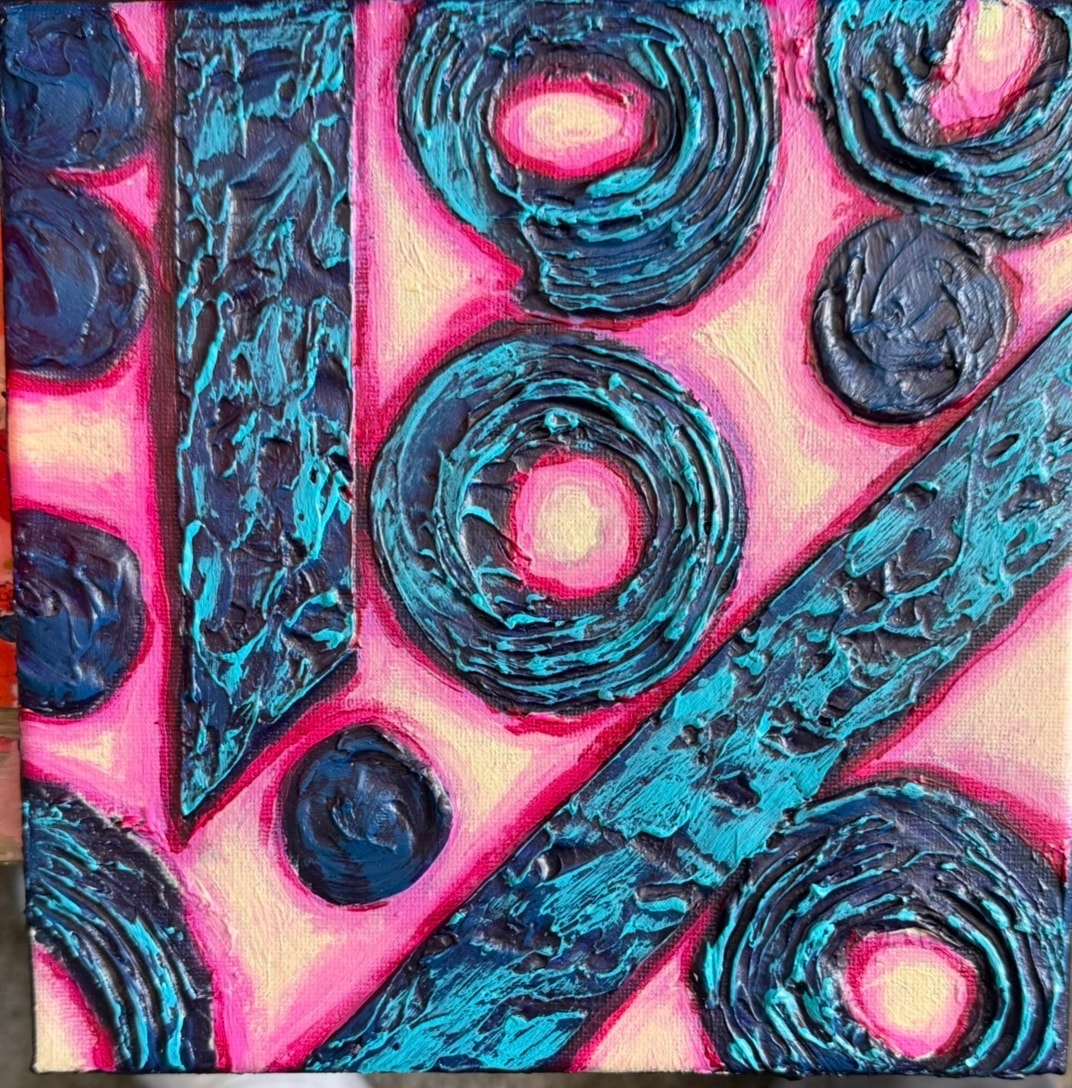
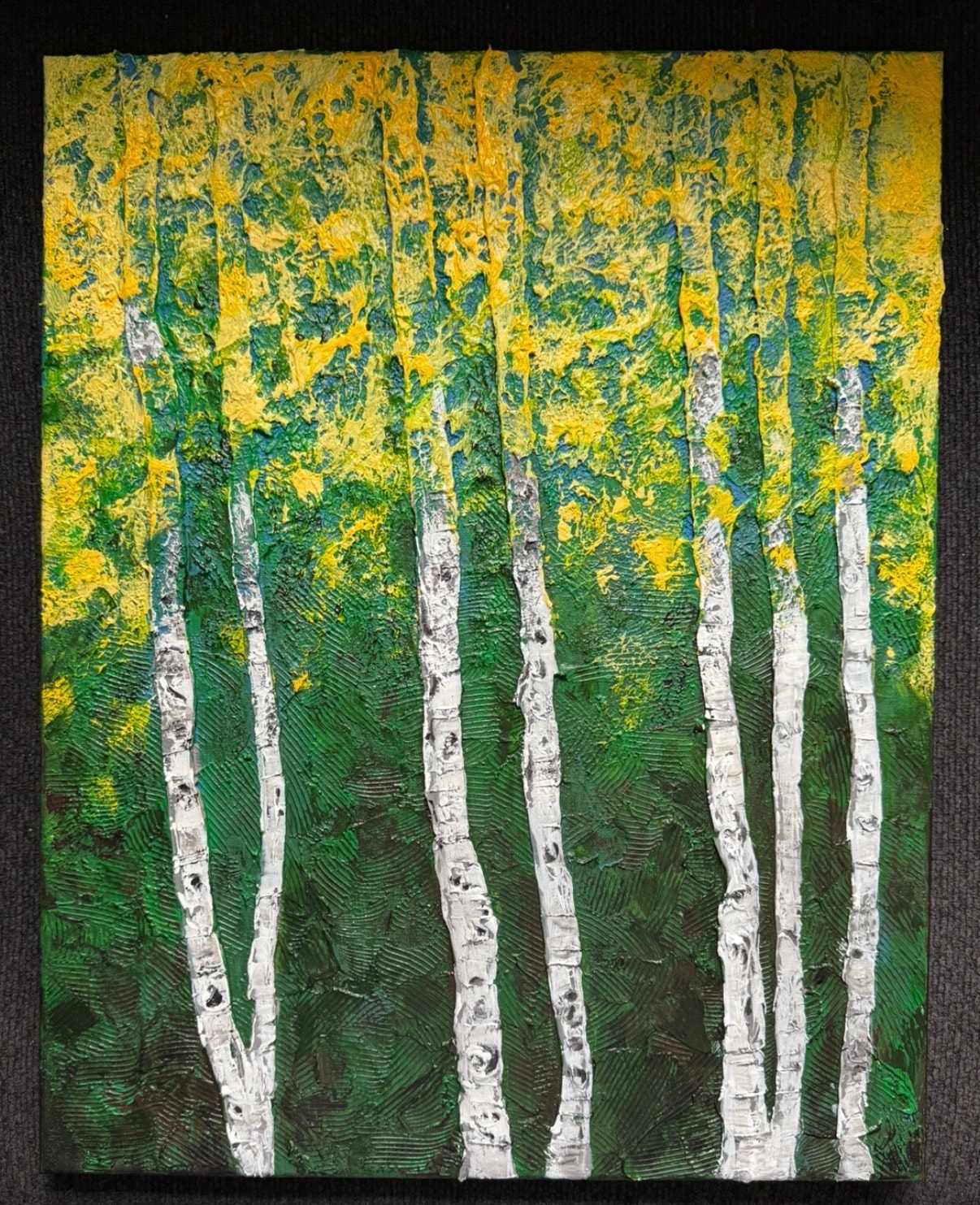
Jay the Painter's answer: Every painting in the gallery is a one-of-a-kind original. No prints. No reproductions. No limited editions. When a painting sells, it's sold.
Question 2: Can You See How It Was Made?
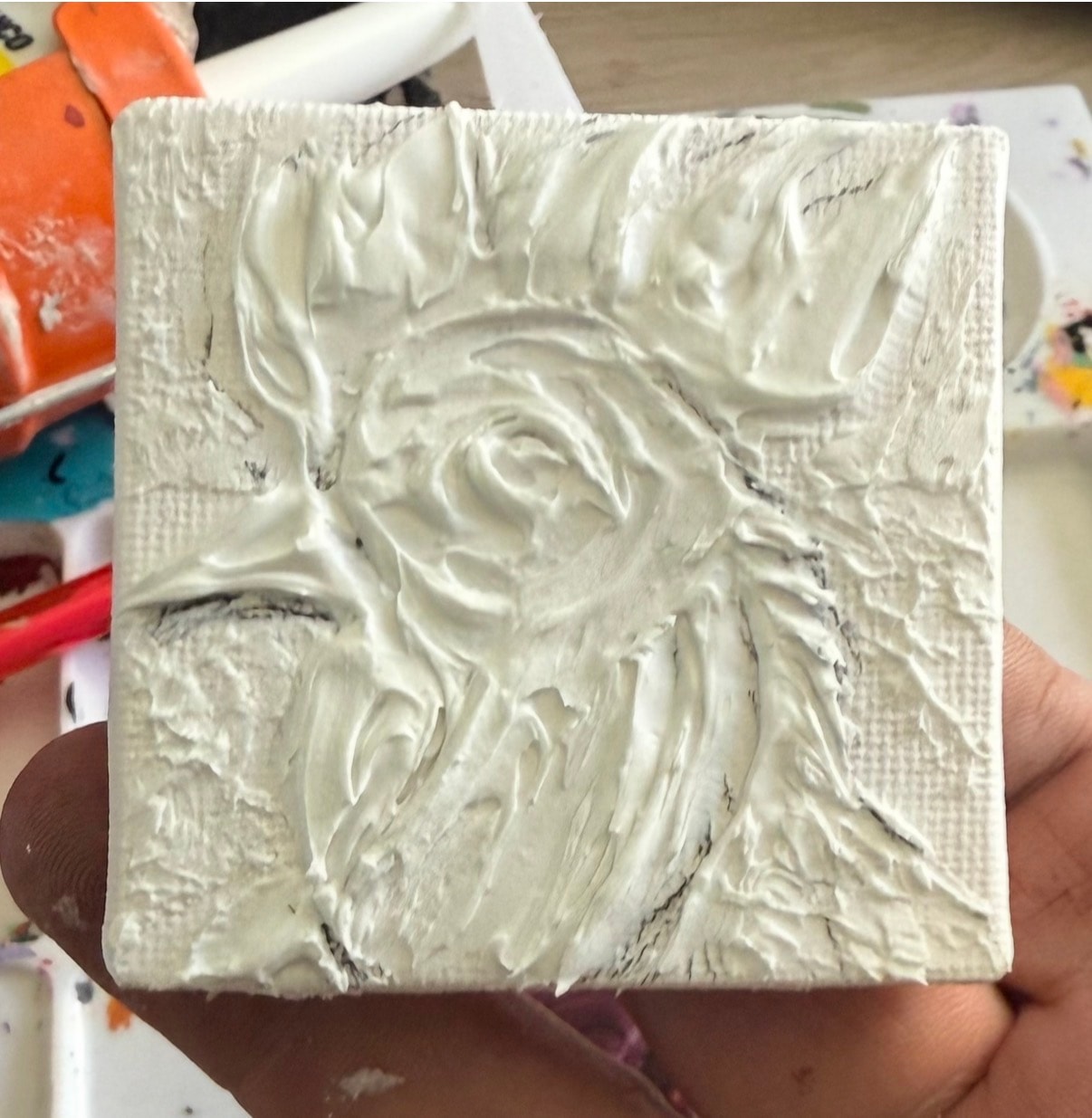
A serious artist should be able to show you their process. Process documentation — photos or video of the work in progress — confirms that the technique is genuine and gives you a window into what you're actually buying.
For texture paintings specifically, process documentation is essential. It's the only way to verify that the dimensional surface is real and structural, not a thin layer of paste applied as an afterthought.
What to look for:
- Before-and-after photos showing the work at different stages
- Video of the technique being applied
- Written explanation of the materials and process that goes beyond "I use thick paint"
If an artist can't or won't show you how their work is made, that's worth noting.
Jay the Painter's answer: Process documentation is available for multiple paintings — the full before-and-after sequence from white caulk sculpture to finished painting.
Question 3: Who Is the Artist — and Can You Reach Them?
Buying directly from the artist is fundamentally different from buying through a gallery or marketplace. When you buy direct, you can ask questions, request additional photos, discuss a custom piece, and build a relationship with the person who made the work.
What to look for:
- A real name and biography, not just a brand name
- Contact information — phone, email, or direct message
- Evidence that the artist is actively working and responsive
- A body of work that shows development over time
What to be cautious of:
- No contact information beyond a generic form
- No biography or background information
- A "studio" that appears to produce work at a volume no single artist could manage
Jay the Painter's answer: Jay is a BFA graduate of Bowling Green State University working from his studio in Akron, Ohio. His phone number is on the site. He responds to texts. You can ask him anything about a specific painting — the size, the texture depth, how it looks in different light, whether a custom version is possible.
Text Jay at 330-285-3136.
Question 4: What Are the Shipping and Return Terms?
Original paintings are fragile objects. Shipping an original painting — especially one with dimensional texture — requires proper packing and handling. Before you buy, understand exactly what happens if the painting arrives damaged, or if it's not what you expected.
Questions to ask:
- How is the painting packed for shipping?
- Is shipping insured?
- What happens if it arrives damaged?
- Is there a return policy?
For texture paintings specifically: Ask how the dimensional surface is protected during shipping. A caulk texture painting with 6mm of surface depth needs different packing than a flat canvas.
Jay the Painter's answer: Free shipping on every order. Paintings are packed carefully — the caulk texture is fully cured and sealed before shipping, and Jay takes no chances with packing. Questions about a specific painting's shipping? Text him directly.
Question 5: Does the Price Make Sense?
Original art pricing is genuinely confusing. A painting can be worth $40 or $40,000 depending on the artist, the size, the technique, and the market. There's no universal price guide.
But there are red flags in both directions:
Too cheap: A 24"×36" "original oil painting" for $29 is not an original oil painting. It's a mass-produced canvas, probably from an overseas factory that produces thousands of identical "originals." The word "original" in that context means nothing.
Unjustifiably expensive: A painting priced at $5,000 from an unknown artist with no exhibition history, no collector base, and no critical recognition is not necessarily worth $5,000. Price alone doesn't create value.
What fair pricing looks like for genuine originals:
- Small originals (8"×8" to 10"×10") from a working artist: $75–$250
- Medium originals (12"×16" to 16"×20"): $150–$400
- Large originals (18"×24" and up): $300–$800+
- Mini originals (under 4"): $30–$75
These are ranges for genuine one-of-a-kind originals from working artists — not gallery-represented artists with auction records, but serious working artists selling direct.
Jay the Painter's answer: Mini paintings start at $40. Full-size originals range from $100 to $400 depending on size and complexity. All ship free. The pricing reflects the actual cost of materials, time, and technique — not gallery markup.
Apply These Questions to Jay's Gallery
Every painting in Jay's gallery answers all 5 questions clearly:
✅ One of a kind — no prints, no reproductions, ever
✅ Process documented — before-and-after photos available
✅ Artist is reachable — text 330-285-3136
✅ Free shipping — carefully packed, every order
✅ Fair pricing — $40 minis, $100–$400 full-size originals
Browse the full gallery → | Browse mini paintings from $40 →
What is caulk art? → | How to evaluate a texture artist's portfolio → | Why caulk texture paintings look different in person →
Jay the Painter — original caulk art and caulk texture paintings from Akron, Ohio. Dimensional texture. One of a kind. Free shipping. Text 330-285-3136.