Texture Painting: Caulk vs. Palette Knife — Which Creates Better Depth?
Palette knife texture painting is the most popular dimensional technique in fine art. Caulk texture painting is newer — and goes further. Here's a direct technical comparison: depth, durability, cracking risk, and which method wins for serious collectors.
Texture Painting: Caulk vs. Palette Knife — Which Creates Better Depth?
Palette knife texture painting has been the dominant dimensional technique in fine art for over a century. From Monet's late Water Lilies to Leonid Afremov's jewel-toned cityscapes, the palette knife has defined what "textured painting" means to most collectors and artists.
Caulk texture painting is newer. It uses flexible acrylic caulk — a construction material — as the primary sculptural medium on canvas. Jay the Painter in Akron, Ohio developed and refined the technique.
This post is a direct technical comparison: depth limits, durability, cracking risk, control, and which method produces better results for serious collectors. No marketing language. Just the technical facts.
What Palette Knife Texture Painting Is
Palette knife texture painting applies thick acrylic or oil paint to canvas using a flexible metal blade rather than a brush. The knife can be used to:
- Spread paint in broad, flat strokes with sharp edges
- Build up thick impasto passages with ridges and peaks
- Scrape back paint to create texture through subtraction
- Layer colors so they mix partially on the canvas surface
The technique is fast, expressive, and produces surfaces with genuine dimensional depth. In the hands of a skilled artist, palette knife work creates paintings with real three-dimensional presence.
What Caulk Texture Painting Is
Caulk texture painting uses flexible acrylic caulk — applied with a caulk gun, palette knives, and spreaders — to build a three-dimensional sculptural surface on canvas before any paint is applied.
The key difference: the texture and the color are separate layers, created independently.
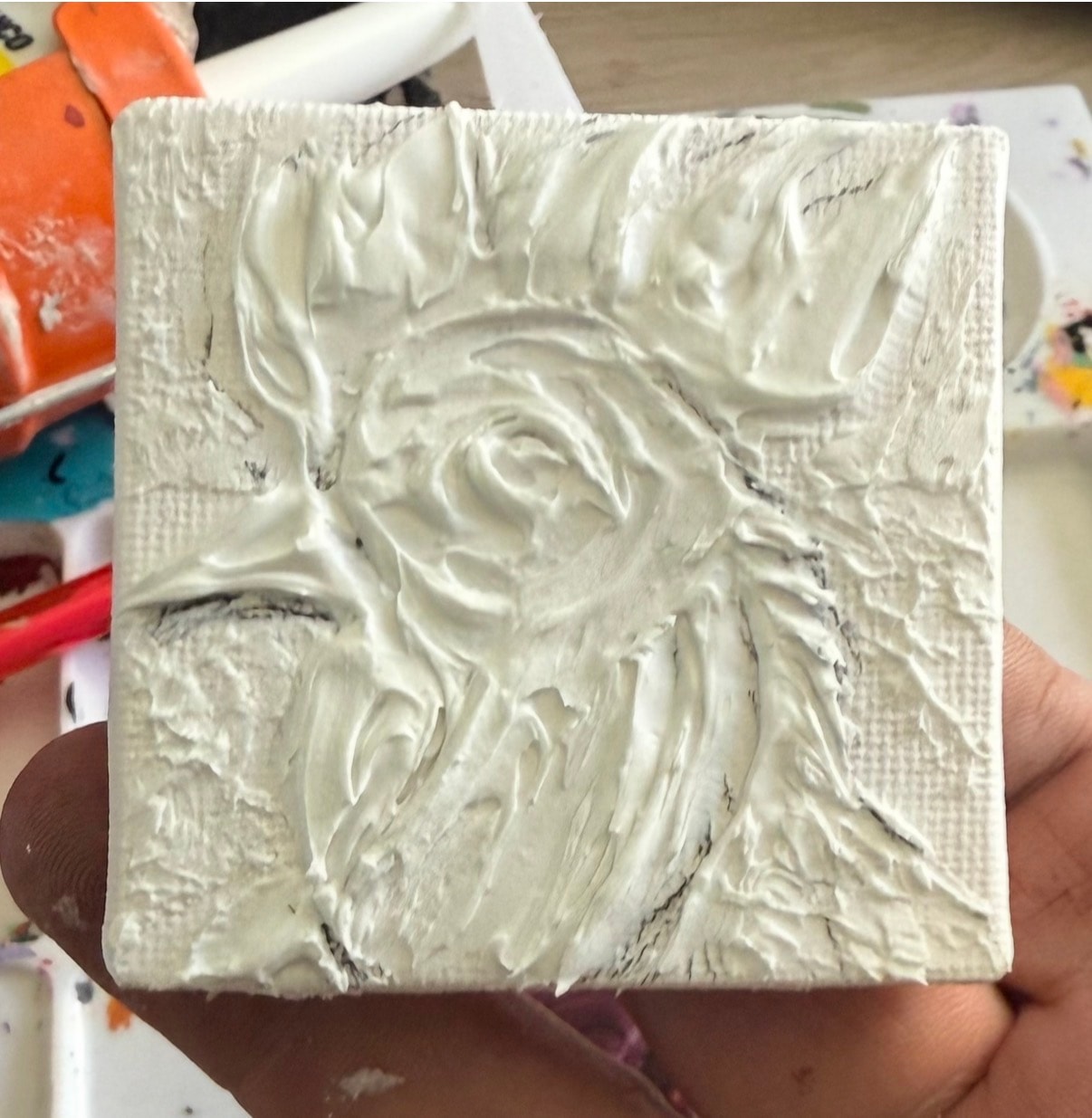
The caulk is sculpted first, shaped to match the forms of the subject — petal ridges in florals, bark roughness in trees, feather layers in birds. The caulk cures completely (typically 24+ hours). Then painting begins on top of the fully three-dimensional caulk surface.
This is what a caulk texture painting looks like before any paint is applied. Every form is sculpted in flexible caulk.
Head-to-Head Comparison
Depth: How Far Can the Texture Go?
Palette knife: Limited by paint physics. Thick acrylic paint shrinks as it dries — typically 10–30% depending on the formulation. Very thick applications crack during curing. In practice, stable palette knife texture maxes out at roughly 3–5mm of depth before cracking becomes a serious risk. Most palette knife paintings have 1–3mm of texture depth.
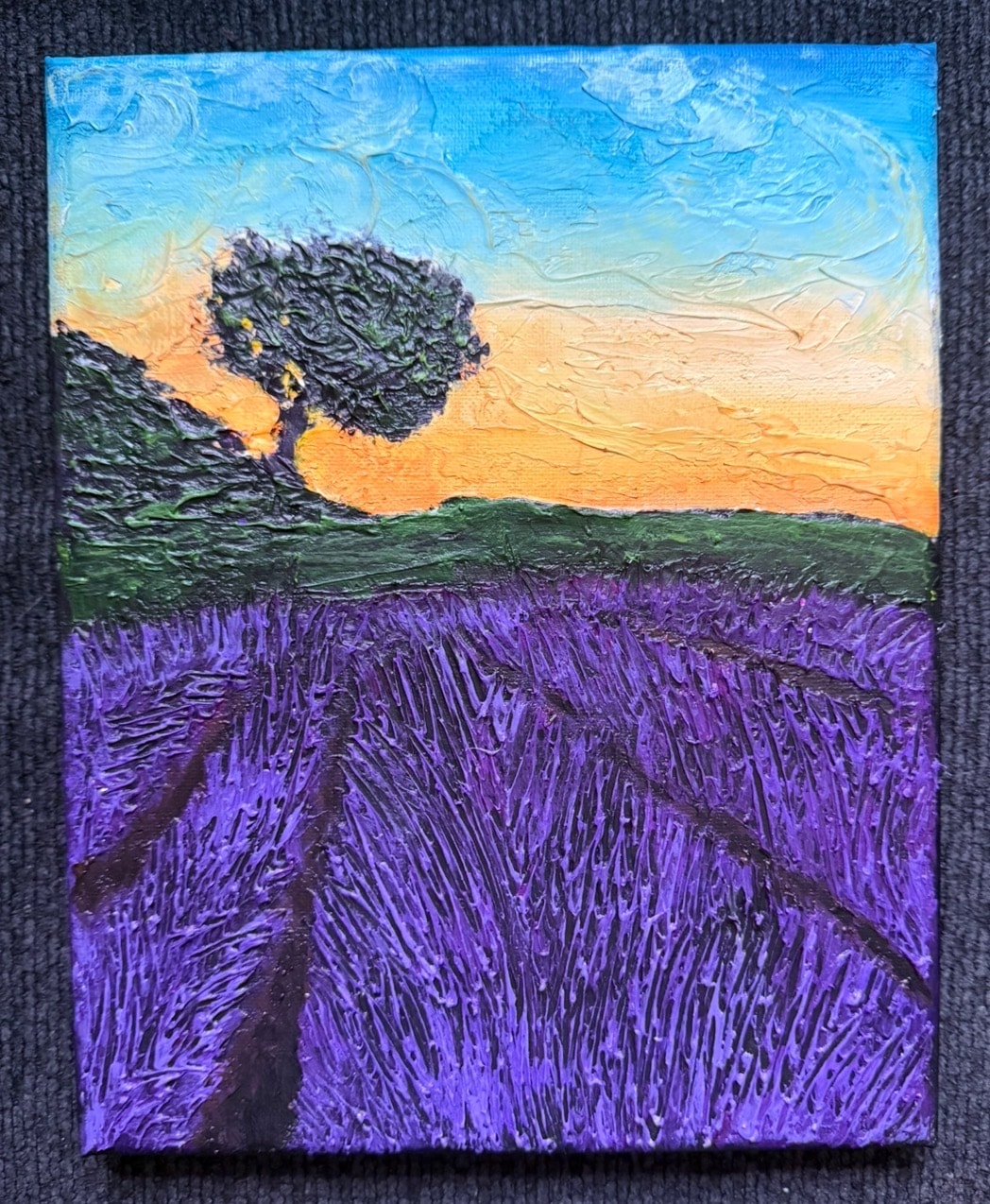
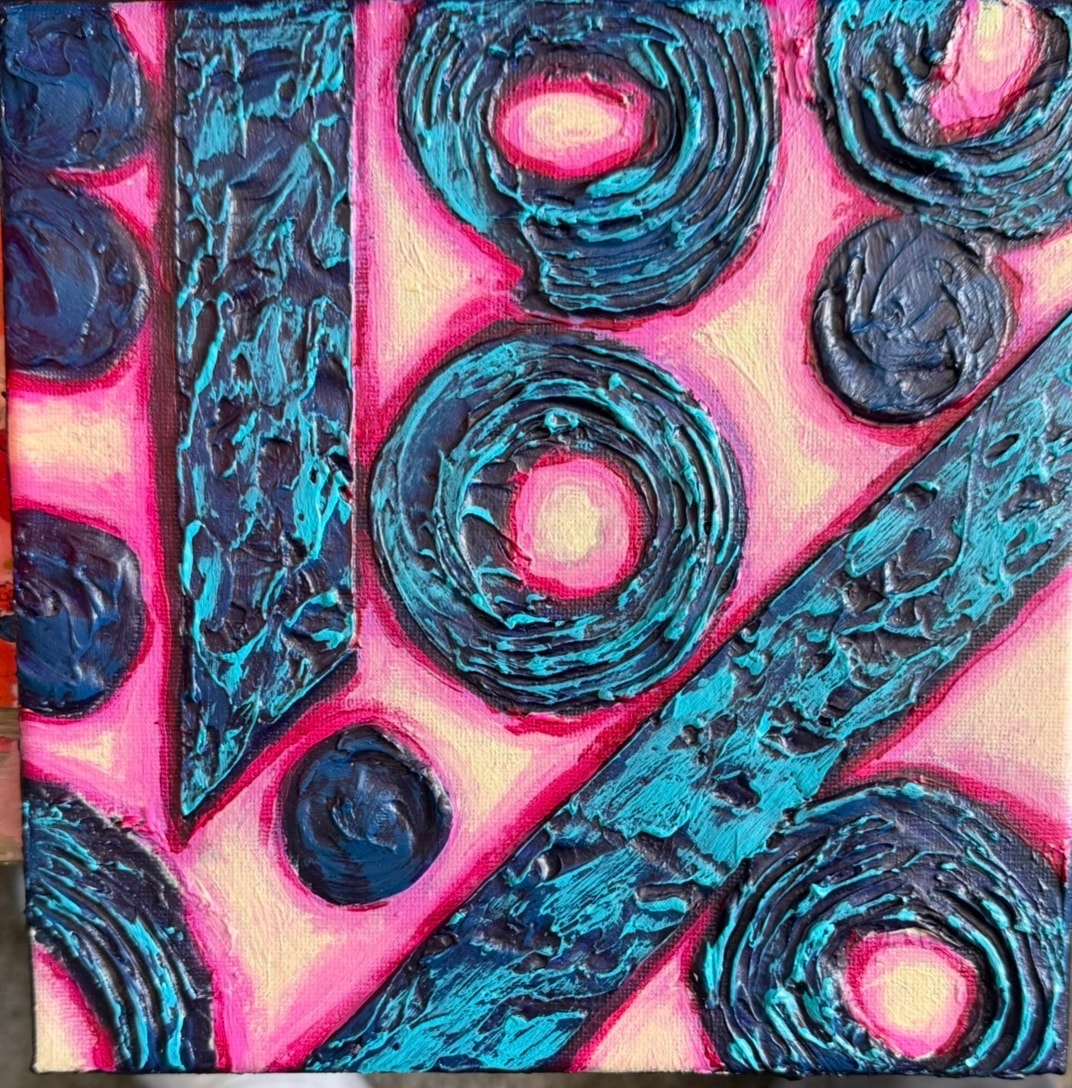
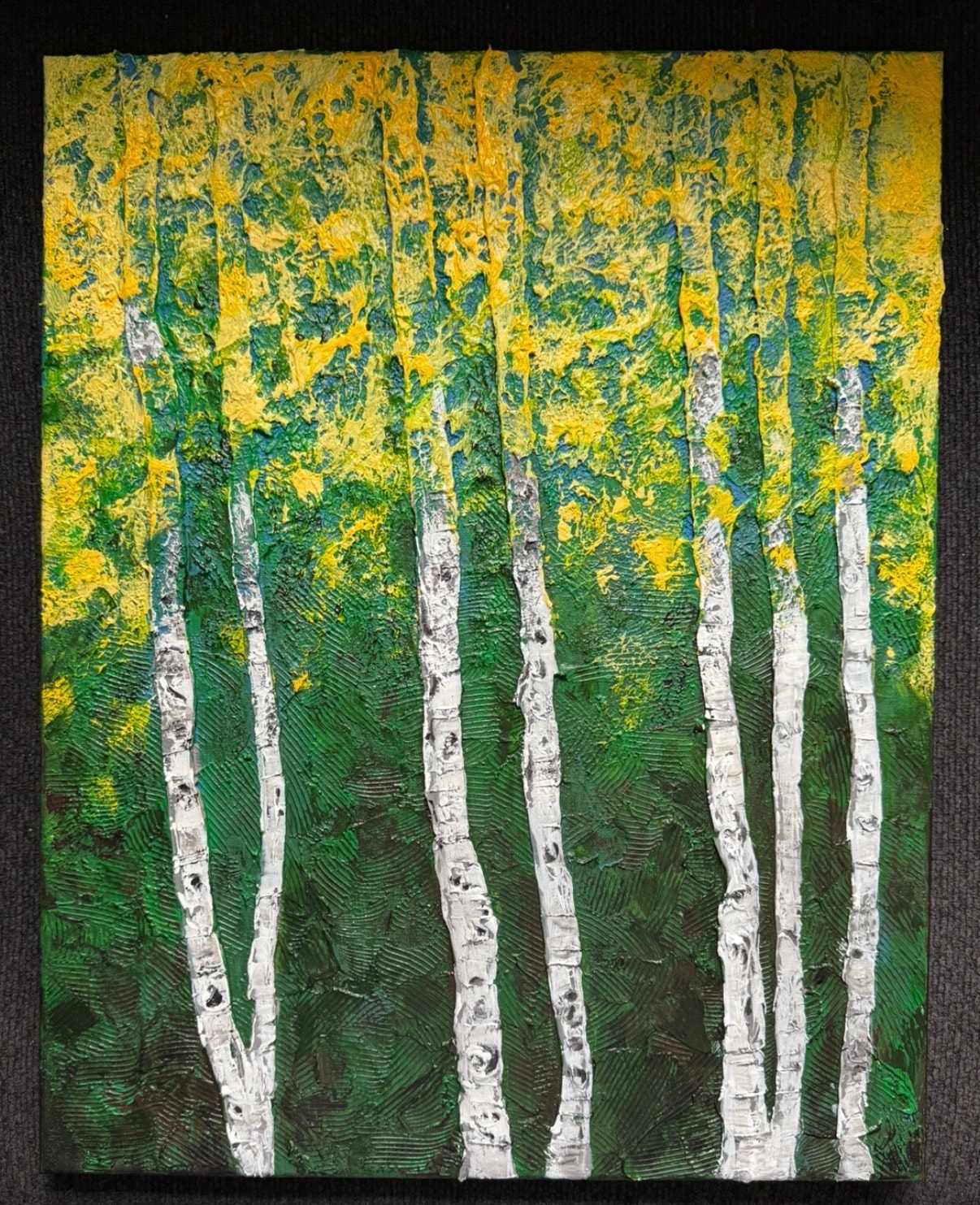
Caulk: Flexible caulk doesn't shrink significantly during curing. It's designed to flex and move without cracking — that's its function as a construction material. Caulk can be built to 10mm or more of depth on canvas without structural risk. Jay the Painter regularly builds surfaces that stand 5–8mm off the canvas — depths that would be impossible with paint alone.
Winner: Caulk. Not close. The depth ceiling for caulk texture is 2–3x higher than palette knife work.
Durability: Will It Last?
Palette knife: Thick acrylic paint is vulnerable to cracking over time, especially on flexible canvas. As the canvas moves with temperature and humidity changes, the rigid paint layer can develop hairline cracks. This is a known issue with impasto and heavy palette knife work — many conservators recommend rigid supports (wood panel) rather than canvas for very thick paint applications.
Caulk: Flexible caulk moves with the canvas. It was engineered to flex without cracking — it's used in construction precisely because it accommodates movement. A properly built and sealed caulk texture painting on canvas will not develop surface cracks from canvas movement. The flexibility of the medium is a structural advantage, not a compromise.
Winner: Caulk. Flexible caulk on flexible canvas is a better material match than rigid paint on flexible canvas.
Control: How Precisely Can You Shape the Texture?
Palette knife: The texture is created simultaneously with the color. The artist is making color and texture decisions at the same time, with the same tool. This creates a certain spontaneity and expressiveness — but it also means the texture can't be fully planned in advance. You're building the surface and painting it in one motion.
Caulk: Because texture and color are separate stages, the artist has complete control over each independently. The caulk surface can be sculpted with precision — shaped, smoothed, built up, and refined — before any color decisions are made. The painting stage then responds to the texture that already exists, rather than creating texture and color simultaneously.
Winner: Caulk for precision and planned texture. Palette knife for spontaneous, expressive work where the simultaneous texture-and-color process is part of the aesthetic.
Speed: Which Is Faster?
Palette knife: Fast. A palette knife painting can be completed in a single session. The texture and color are applied together, and acrylic paint dries quickly.
Caulk: Slower. The caulk stage and the painting stage are separate, with a curing period of 24+ hours between them. A caulk texture painting typically takes 2–4 days from start to finish, minimum.
Winner: Palette knife. Caulk texture painting requires patience that palette knife work doesn't.
Appearance in Different Light
Palette knife: The texture creates shadows and highlights that shift as the light changes. This is one of the great pleasures of palette knife work — the painting looks different in morning light than evening light.
Caulk: Because the texture is deeper and more sculptural, the light-shifting effect is more dramatic. A caulk texture painting with 6mm of surface depth casts real shadows that move visibly as the light source changes. The painting is genuinely different at different times of day, from different angles, in different rooms.
Winner: Caulk for dramatic light response. The deeper the texture, the more the painting changes with light.
The Collector's Verdict
For collectors who want:
- Maximum texture depth → Caulk
- Maximum durability on canvas → Caulk
- Dramatic light response → Caulk
- Spontaneous, expressive surface → Palette knife
- Faster production / more available work → Palette knife
Caulk texture painting wins on every technical measure that matters for long-term collecting: depth, durability, and light response. Palette knife wins on speed and expressiveness.
See the Difference in Jay's Work
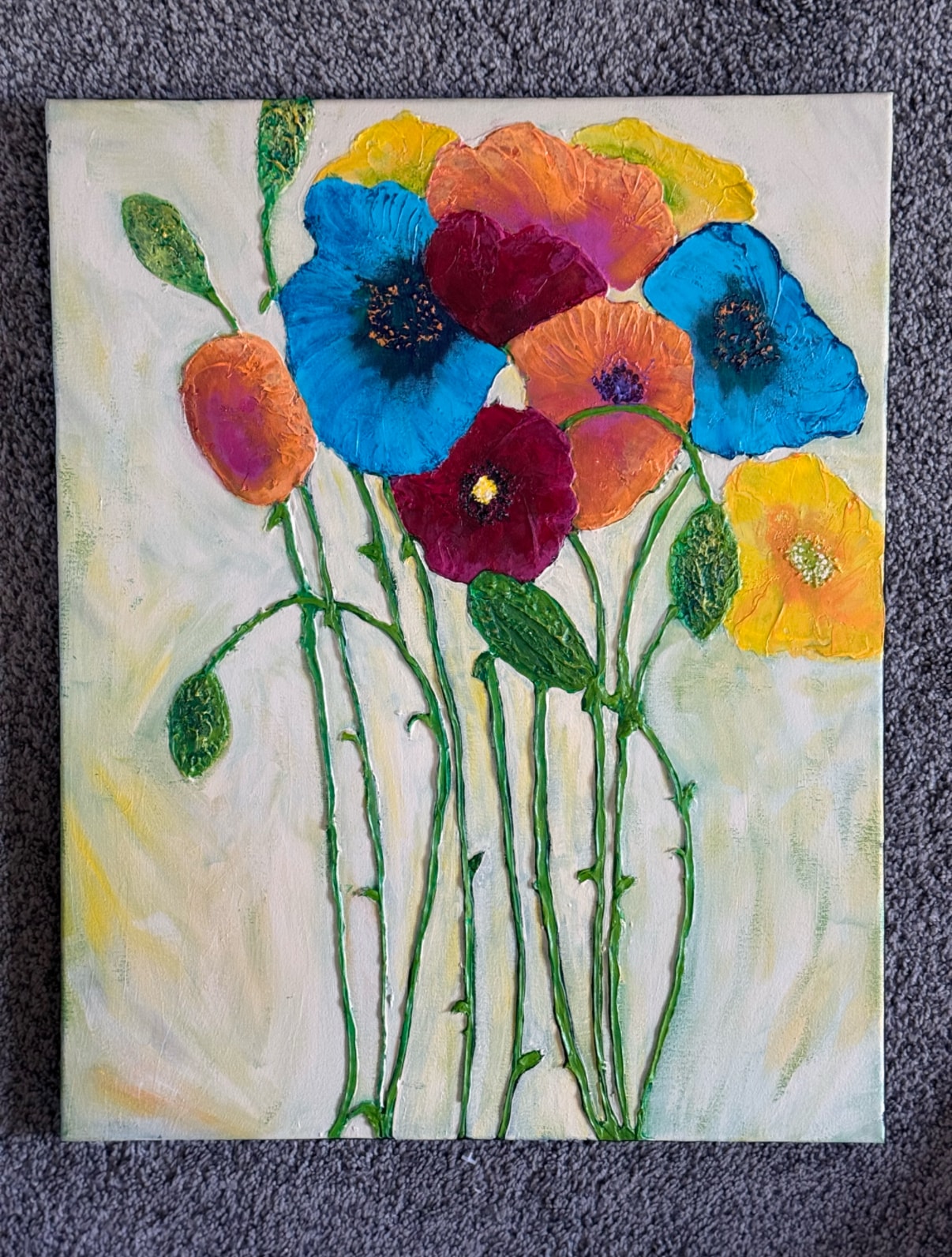
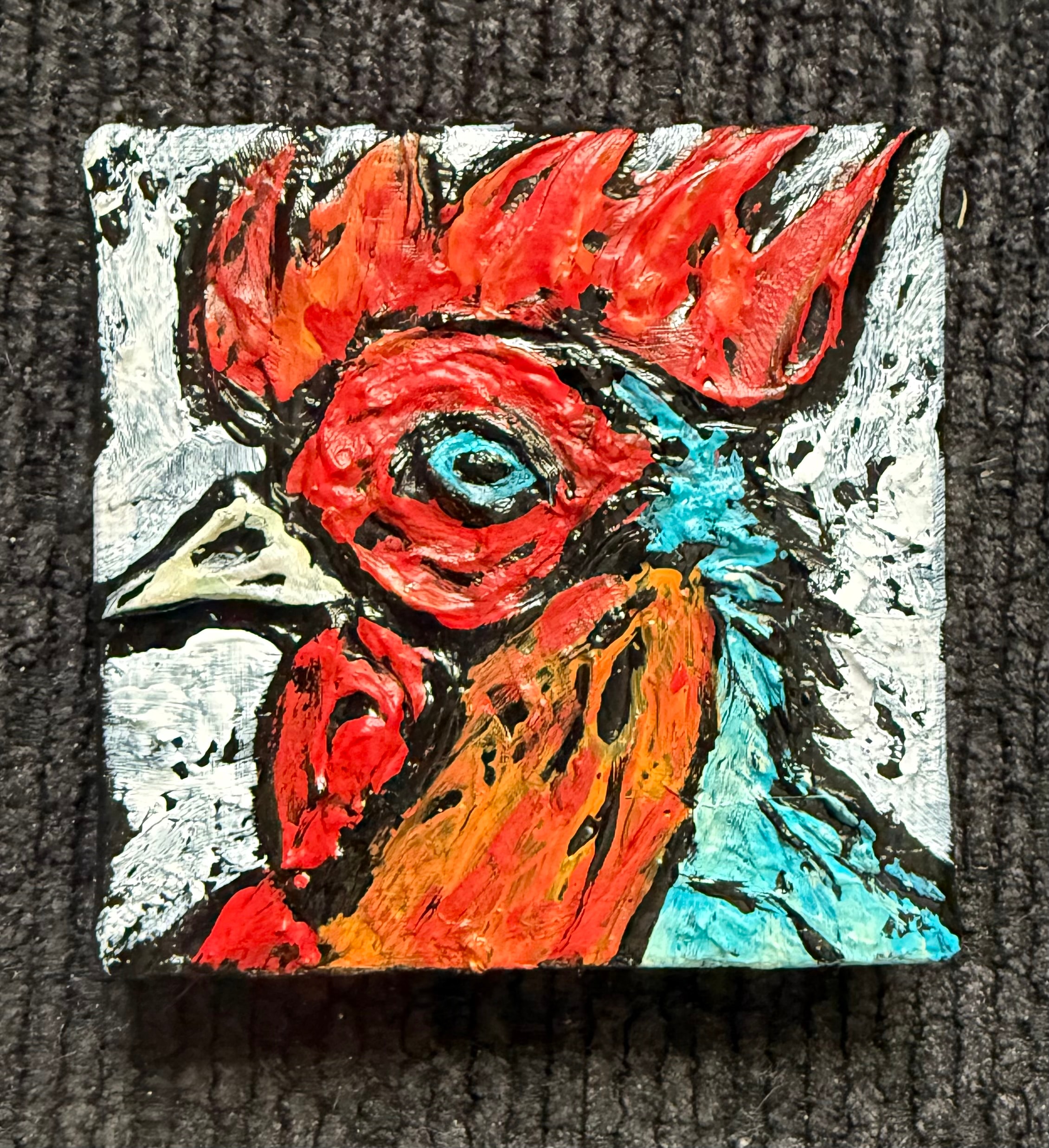
Jay the Painter's gallery shows what caulk texture depth looks like in finished paintings — the kind of surface depth that palette knife work can't achieve.
Browse the full gallery → | Browse mini paintings from $40 →
Questions about a specific piece? Text Jay at 330-285-3136.
What is caulk art? → | The caulk texture painting process → | Famous texture artists →
Jay the Painter — original caulk art and caulk texture paintings from Akron, Ohio. Dimensional texture. One of a kind. Free shipping.