What Is Texture Art? The Complete Guide to Textured Painting
Texture art uses physical dimension — raised surfaces, thick paint, and tactile materials — to create paintings you can almost feel. Here's everything you need to know about what texture art is, how it's made, and why it's so visually powerful.
What Is Texture Art? The Complete Guide to Textured Painting
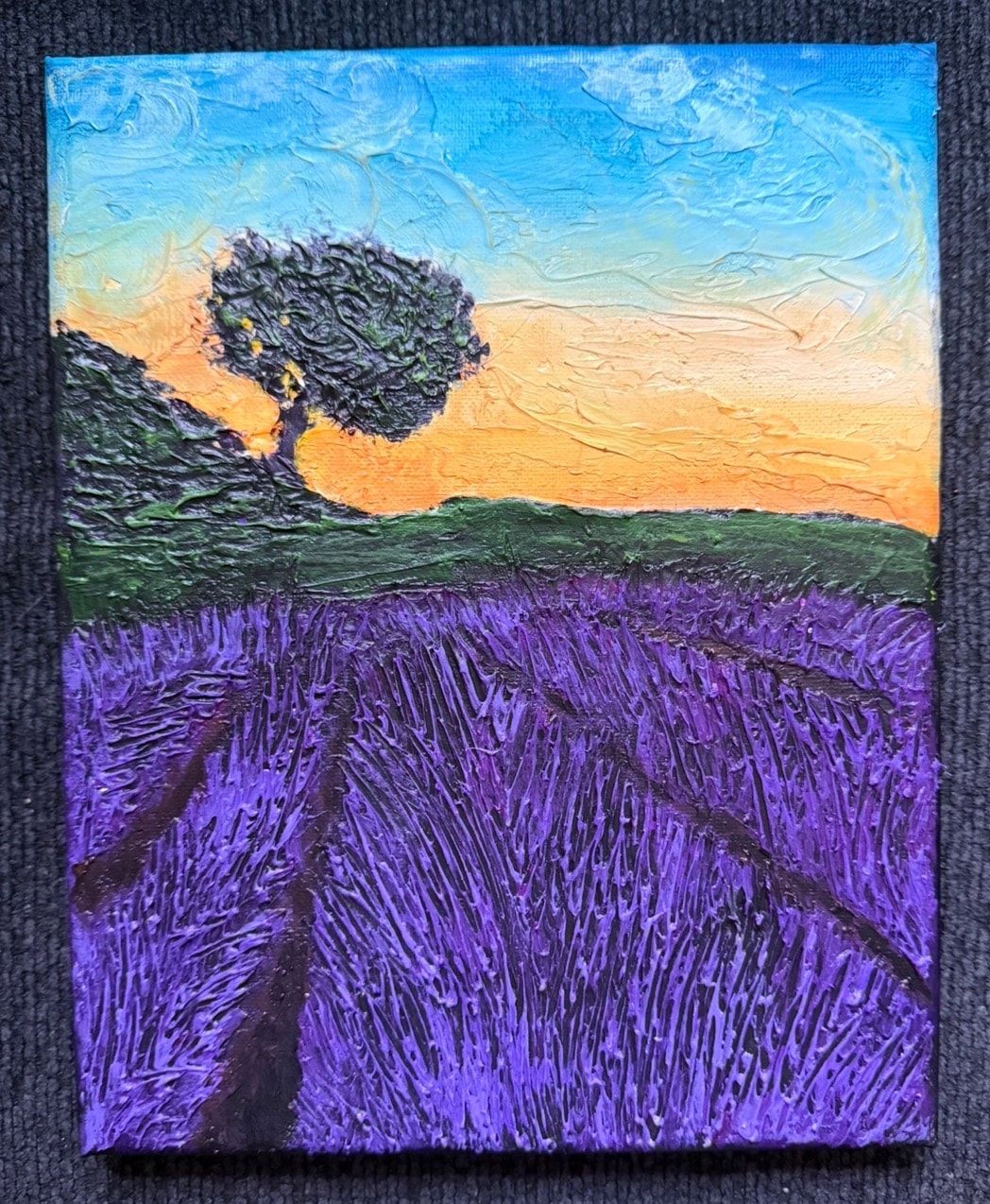
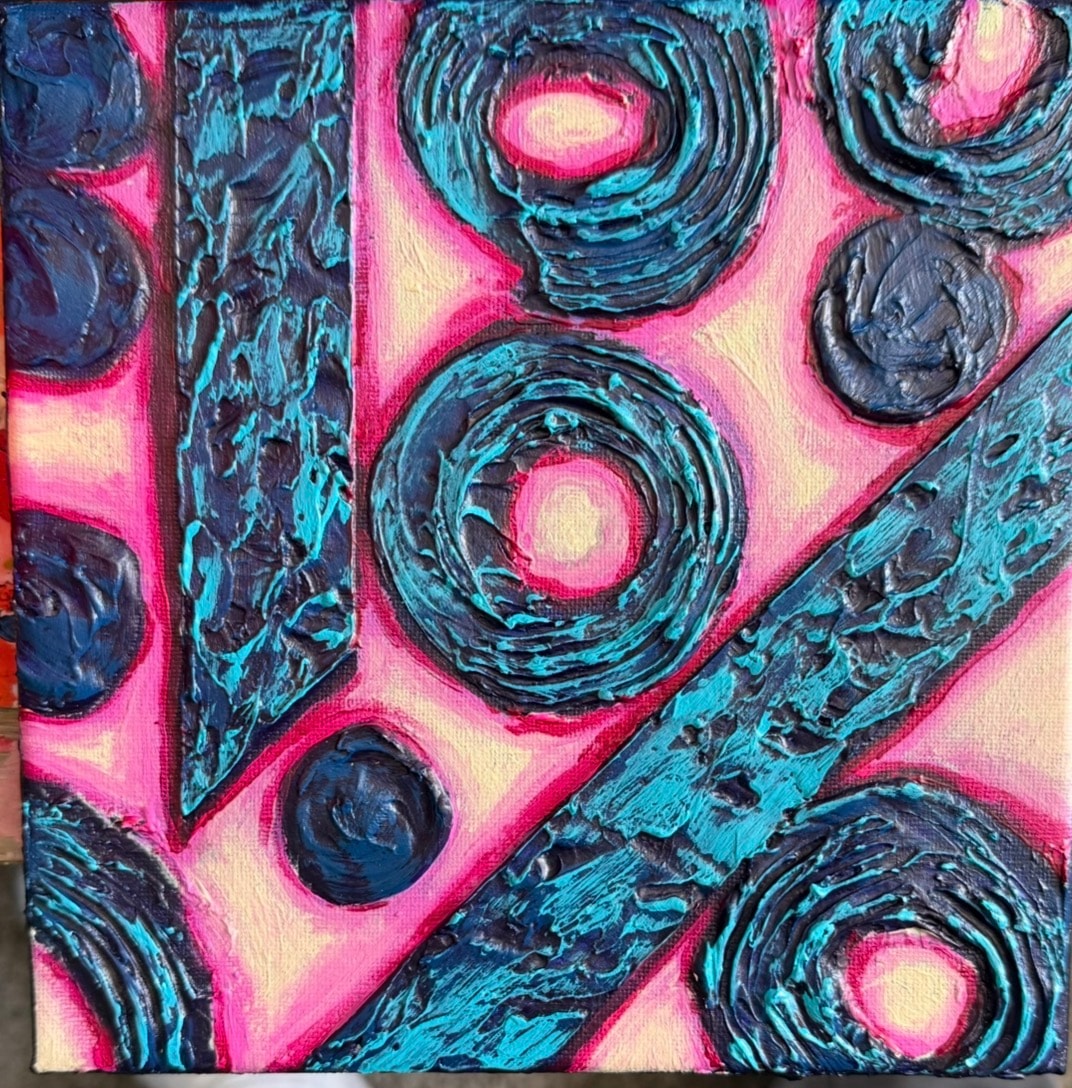
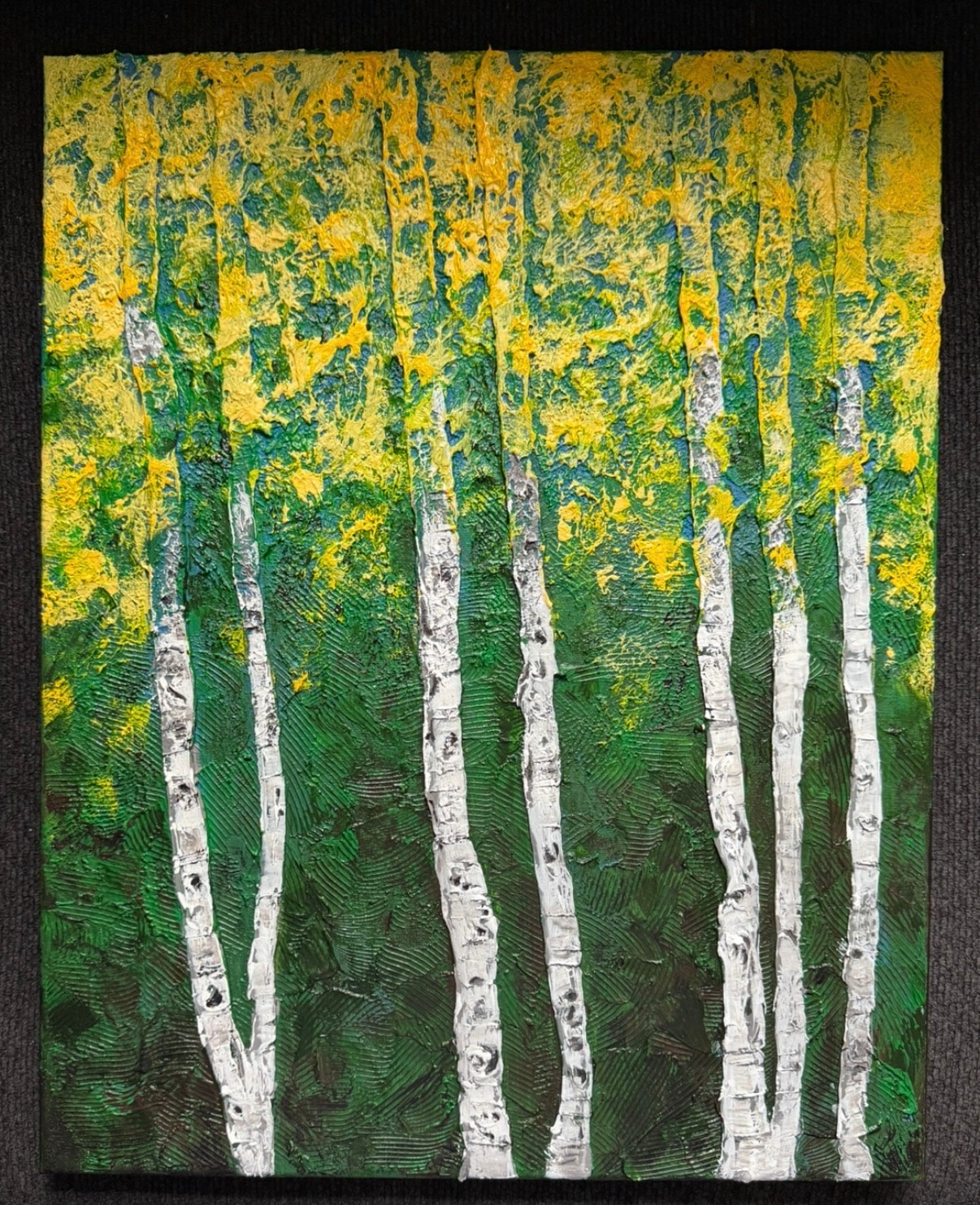
Texture art is painting that goes beyond the flat surface. Instead of applying thin layers of color to a canvas, texture artists build up physical dimension — raised ridges, deep grooves, thick peaks, and sculptural forms — that catch light differently depending on where you stand and how the room is lit.
The result is a painting that doesn't just look interesting. It feels interesting, even from across the room.
The Definition of Texture Art
At its core, texture art is any visual artwork that incorporates physical, tactile surface variation. This can mean:
- Raised surfaces — peaks and ridges that stand above the canvas
- Recessed areas — grooves and valleys pressed into the medium
- Mixed materials — sand, fabric, paper, or other materials embedded into paint
- Thick paint application — impasto technique using palette knives or brushes loaded with heavy paint
- Specialty mediums — caulk, modeling paste, gel medium, or texture paste applied before or after painting
What separates texture art from traditional painting is the third dimension. Light hits the surface at an angle and creates shadows within the painting itself — shadows that shift as you move, as the time of day changes, and as lamps are turned on and off.
Types of Texture Art
Impasto Painting
Impasto is one of the oldest and most recognized forms of texture art. Artists like Van Gogh used thick, expressive brushstrokes loaded with oil paint to create visible ridges across the canvas. The texture in impasto comes entirely from the paint itself — no additives, no mixed materials.
Palette Knife Painting
Palette knife artists apply paint with a flat metal blade instead of a brush. The knife creates sharp edges, smooth planes, and dramatic peaks that brushes simply cannot achieve. Palette knife texture tends to be bold and geometric.
Mixed Media Texture Art
Mixed media artists embed physical materials into their work — sand, gravel, fabric scraps, newspaper, wire, or found objects. The texture becomes part of the composition, not just a surface treatment.
Caulk Texture Painting
Caulk texture painting is a newer technique pioneered by artists like Jay the Painter in Akron, Ohio. Flexible silicone or latex caulk is applied to the canvas in sculptural forms before painting begins. The caulk creates a permanent, flexible raised surface that holds paint beautifully and never cracks — unlike dried acrylic paste or gesso, which can become brittle over time.
The flexibility of caulk is what makes it unique. The finished painting can be handled, shipped, and hung without the texture crumbling or flaking. Learn more about caulk texture painting here.
Why Does Texture Matter in Art?
Texture does something that flat paint cannot: it creates a physical relationship between the viewer and the artwork.
When you look at a textured painting, your brain processes the surface as three-dimensional — even though you're looking at a flat wall. The raised forms cast real shadows. The grooves create real depth. Your eye travels across the surface the same way it would travel across a landscape or a face.
This is why textured paintings photograph so dramatically. The interplay of light and shadow across the surface creates a photograph that looks almost like a sculpture.
It's also why textured paintings look completely different in person than they do online. The photograph captures one moment of light. In person, the painting changes every time you move.
How Is Texture Art Made?
The process varies by technique, but most texture art follows a similar sequence:
- Prepare the surface — canvas, wood panel, or board
- Apply the texture medium — caulk, paste, thick paint, or mixed materials
- Shape the texture — using tools, fingers, palette knives, or brushes while the medium is wet
- Allow to dry completely — this can take hours or days depending on the medium
- Apply paint — color is layered over the dried texture, settling into grooves and highlighting peaks
- Finish and seal — varnish or sealant protects the surface
The texture medium chosen at step two determines almost everything about the final result — how sharp the edges are, how flexible the surface is, how long it lasts, and how it responds to paint.
What Makes Caulk Texture Art Different
Most texture mediums are rigid when dry. Acrylic modeling paste, gesso, and dried paint all become hard and somewhat brittle. They can crack if the canvas flexes during shipping or if the painting is stored in temperature extremes.
Caulk stays flexible. It moves with the canvas. It absorbs impact without cracking. And because it's designed to bond permanently to surfaces, it adheres to canvas with exceptional strength.
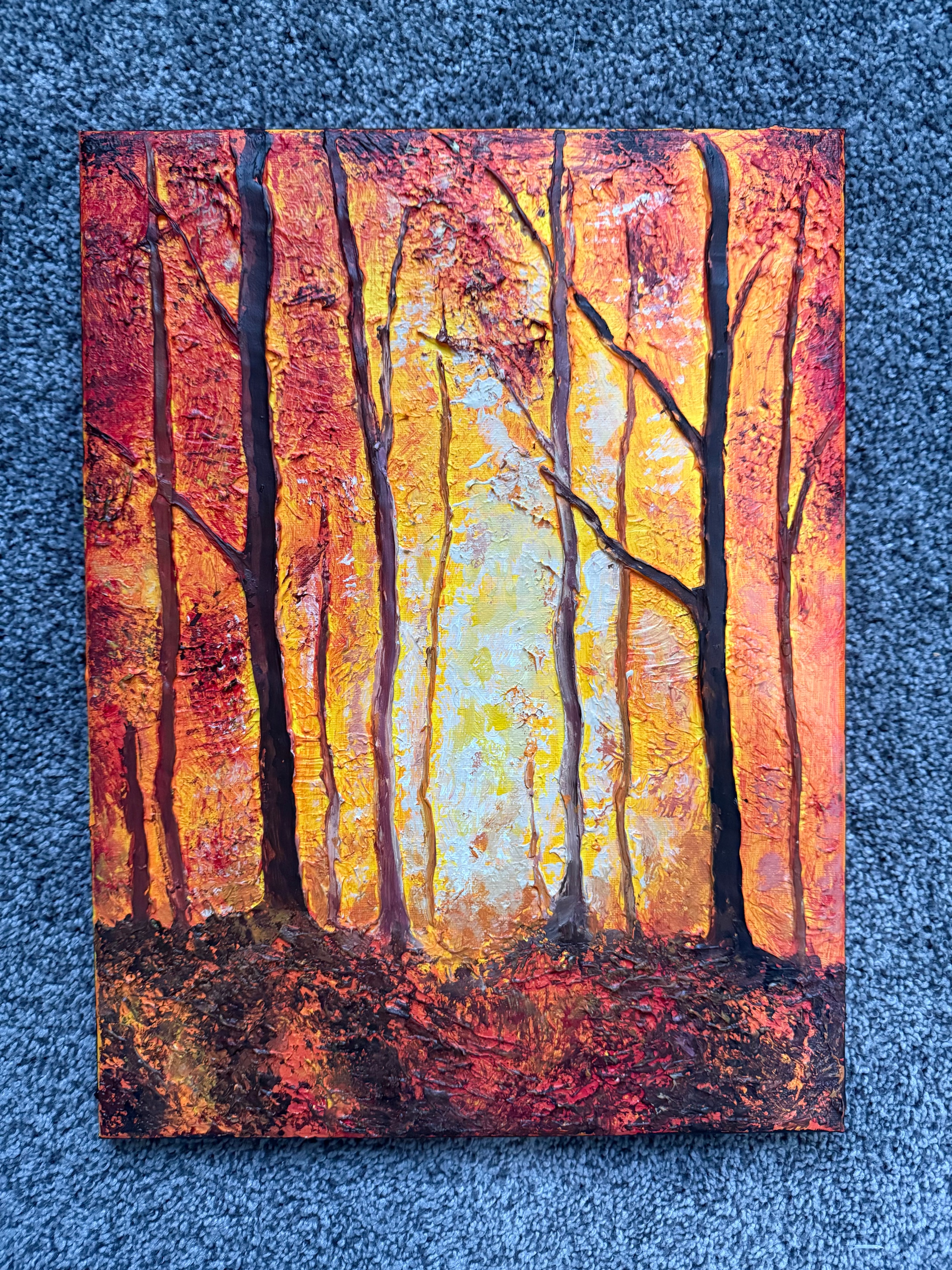
Jay the Painter in Akron, Ohio has spent years developing caulk texture techniques that create organic, flowing forms — forests, flowers, landscapes, and abstract compositions — using caulk as the primary structural medium. The results are paintings with a depth and dimensionality that's immediately visible from across the room.
See examples of caulk texture paintings in Jay's gallery.
Texture Art and Light
One of the most compelling aspects of texture art is how dramatically it responds to light. A textured painting in a room with a single lamp looks completely different than the same painting in natural daylight. Move the lamp, and the shadows shift. The painting changes.
This is especially true of caulk texture paintings, where the raised forms can be quite pronounced — sometimes a quarter inch or more above the canvas surface. In raking light (light coming from the side at a low angle), the shadows become deep and dramatic. In diffuse overhead light, the texture reads as subtle and refined.
Collectors who own textured paintings often say they never get tired of them — because the painting they see in the morning is not quite the same painting they see at night.
Buying Texture Art
If you're interested in adding texture art to your home or collection, here's what to look for:
- Flexibility — ask whether the texture medium is rigid or flexible when dry
- Durability — will the texture hold up to shipping and handling?
- Originality — is this a one-of-a-kind original, or a reproduction?
- Scale — texture reads differently at different sizes; small textured paintings can be just as impactful as large ones
Jay the Painter offers original caulk texture paintings in a range of sizes, from mini paintings starting at $40 to full-size originals. Every painting is one of a kind — no prints, no reproductions.
Browse the full gallery of original texture paintings.
Frequently Asked Questions About Texture Art
Is texture art more expensive than flat paintings? Often yes — texture art requires more materials, more time, and more skill to execute well. But the price range is wide. Jay's mini texture paintings start at $40.
Does texture art last as long as traditional paintings? With the right medium and proper care, yes. Caulk texture paintings are particularly durable because the flexible medium doesn't crack over time.
Can texture art be cleaned? Gently, with a soft dry brush or very lightly dampened cloth. Avoid pressing hard on raised areas.
Does texture art look good in photos? Yes — but it looks even better in person. The photograph captures one angle of light. The real painting changes as you move around it.
Jay the Painter is a texture artist based in Akron, Ohio, specializing in caulk art — original paintings with real 3D sculptural texture. Call or text 330-285-3136 to inquire about available work or commissioned paintings.