What Is a Texture Painter? The Complete Guide to Dimensional Art
A texture painter creates original artwork with real three-dimensional surfaces — raised ridges, peaks, and contours you can see and feel. Learn what separates a true texture painter from a regular artist, and why this rare skill is transforming how people collect original art.
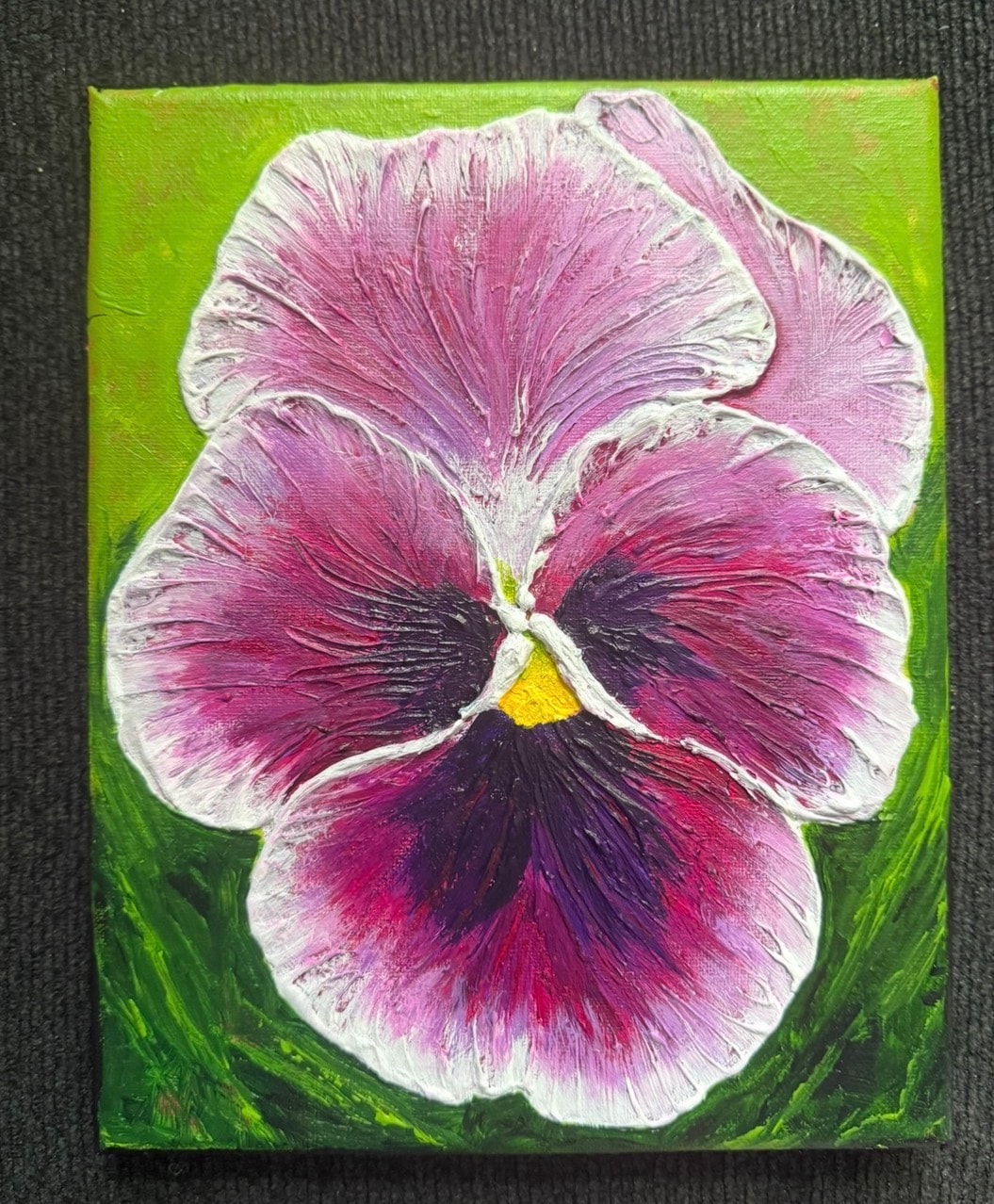
If you've ever stood in front of a painting and reached out to touch it — not because you were supposed to, but because the surface looked so real and dimensional that your hand moved before your brain stopped it — you've experienced the work of a texture painter.
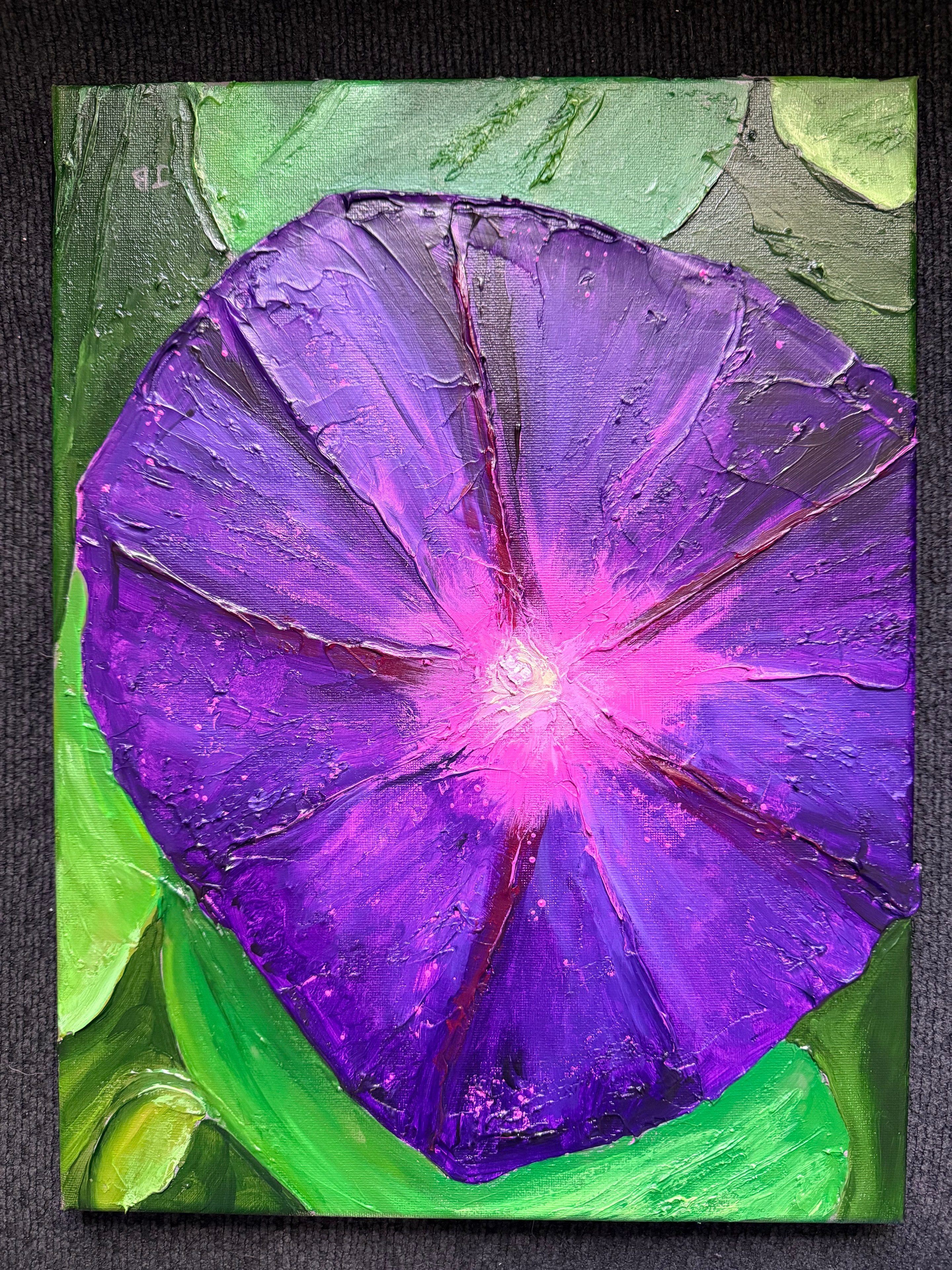
A texture painter is an artist who creates original paintings with genuine three-dimensional surfaces. Not the illusion of texture. Not thick brushstrokes that suggest depth. Real raised surfaces — peaks, ridges, and contours built into the canvas that you can see from across the room and feel with your hand.
It's a rare skill. It requires a completely different set of materials, techniques, and instincts than traditional painting. And when it's done well, the result is unlike anything else in the art world.
The Definition: What Makes Someone a Texture Painter?
The term "texture painter" is used loosely online. Some artists describe themselves as texture painters because their brushwork is visible. Others use the term for palette knife work that creates modest surface variation.
A true texture painter is something more specific: an artist who builds three-dimensional structure into the canvas as a primary part of the painting process — not as a side effect of applying paint, but as a deliberate, foundational technique.
The defining characteristics of a texture painter:
- Dimensional surfaces are structural, not incidental — the raised texture is planned and built, not a byproduct of how paint was applied
- The texture is visible from a distance — not just detectable up close, but creating visible shadows and highlights at normal viewing distance
- The texture is tactile — you can feel the peaks and ridges with your hand
- The surface responds to light — the painting looks different in morning light than under a lamp, different from five feet away than from across the room
This is what separates a texture painter from a painter who happens to use thick paint.
How Does a Texture Painter Work?
The process varies depending on the materials a texture painter uses. The most common approaches are:
Impasto Technique
Traditional impasto uses thick paint — usually oil or acrylic — applied with a palette knife or stiff brush to create raised surfaces. The paint itself becomes the texture. Artists like Van Gogh used impasto to create the swirling, dimensional surfaces that make his paintings so immediately recognizable.
The limitation of impasto is durability. Thick paint shrinks as it dries. Over time, the raised surfaces can crack — especially in homes with temperature and humidity changes.
Modeling Paste and Gel Mediums
Some texture painters use acrylic modeling paste or gel mediums to build up surfaces before painting. These materials dry harder than paint and hold their shape better than impasto. They can be sculpted, stamped, or textured with tools before the paint is applied.
Caulk Texture Painting
The most durable and distinctive approach — and the one used by Jay the Painter — is caulk texture painting. Instead of thick paint or modeling paste, the three-dimensional structure is built using flexible caulk: the same material used in construction to seal bathtubs, windows, and door frames.
Caulk has properties that make it uniquely suited to texture painting:
- It's flexible — it moves with the canvas and doesn't crack over time
- It's workable — it can be shaped, sculpted, and textured during a limited window before it sets
- It holds organic forms — the gentle curve of a petal, the rough surface of bark, the rolling contour of a hillside
- It's durable — a properly sealed caulk texture painting will hold its three-dimensional structure for decades
The caulk is applied before any paint touches the canvas. The texture painter shapes the caulk into the forms of the painting — the structure of a flower, the texture of a forest floor, the contour of a mountain. Once the caulk has fully cured, paint is applied over the three-dimensional surface.
This is when the real magic of texture painting happens. Paint behaves differently on a three-dimensional surface than on a flat canvas. It pools in the valleys between ridges. It sits on the peaks. Dry-brushing across the raised texture creates highlights that look natural because they are natural — the light is actually catching the raised surface.
What Does a Texture Painter Create?
Texture painters work across a wide range of subjects. The technique is particularly powerful for:
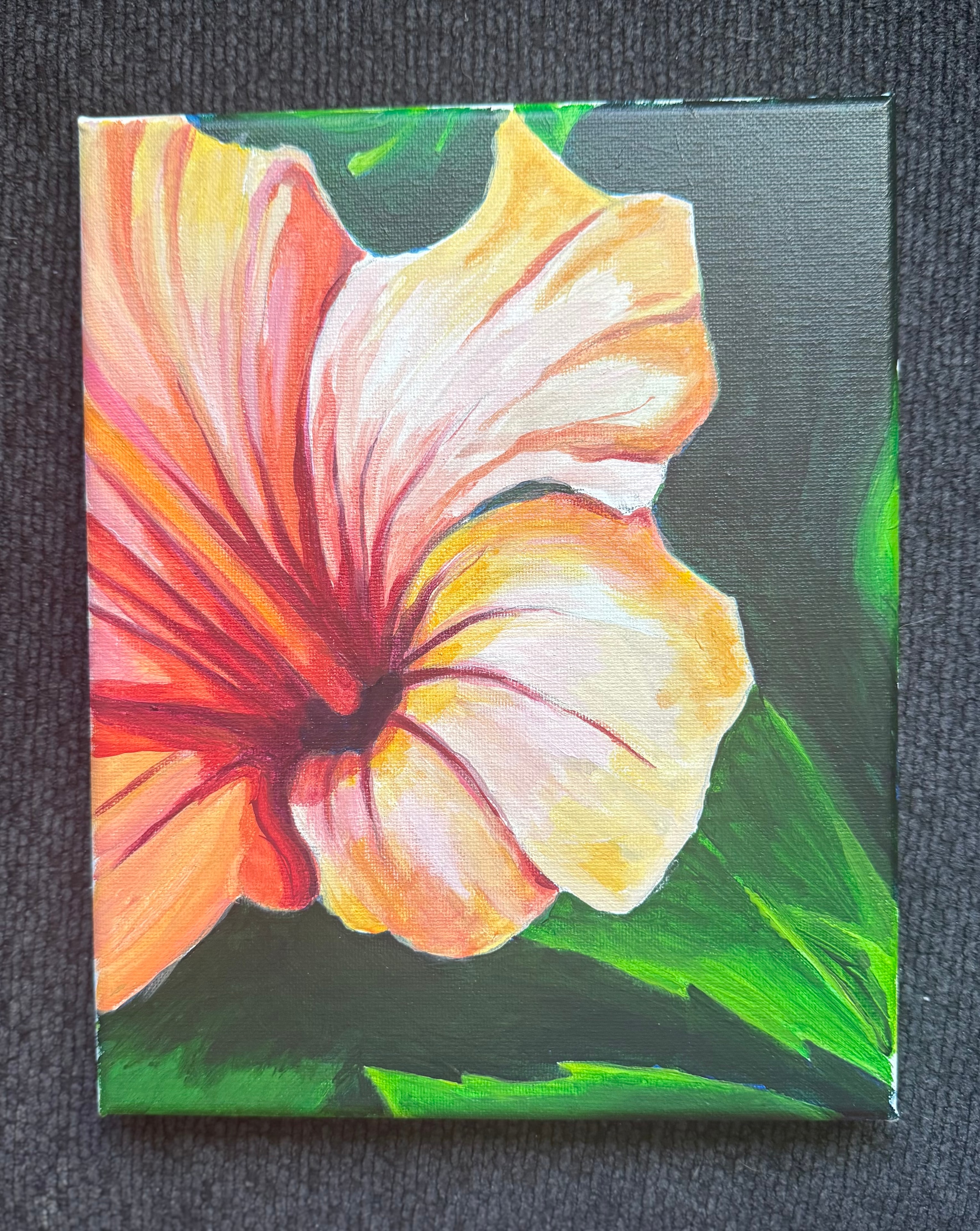
Flowers and botanicals — the organic curves of petals, the layered depth of a bloom, the way light catches the surface of a flower all translate directly into the caulk medium. A texture painter can build petals that curve up off the canvas, stamens that project forward, leaves that overlap with genuine depth.
Landscapes — the roughness of bark, the layered quality of foliage, the rolling contour of a hillside. A texture painter can create a forest interior with genuine depth — the texture of the foreground different from the middle ground, the background receding into smoother surfaces.
Abstract work — texture painting is particularly powerful in abstract compositions, where the three-dimensional surface becomes the subject itself. Swirling ridges, geometric peaks, organic forms — the texture is the painting.
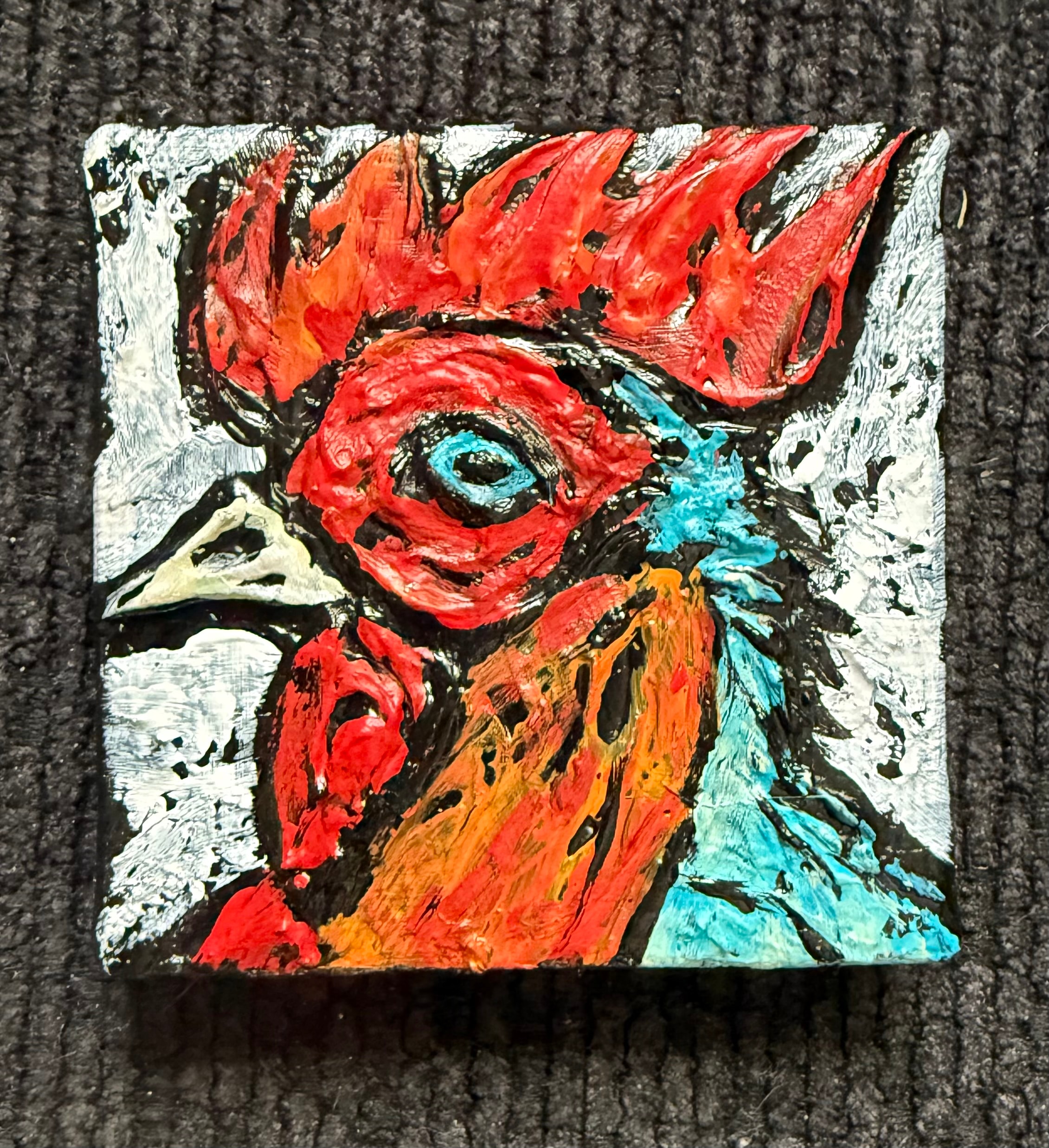
Wildlife and portraiture — feathers, fur, scales, and skin all have natural texture that a skilled texture painter can capture in three dimensions.
Why Is Texture Painting Rare?
Most artists never develop texture painting skills because the technique requires a fundamentally different approach to making art.
The materials are unfamiliar. A texture painter who uses caulk is working with a construction material, not an art supply. Learning how caulk behaves — how long the working window is, how it responds to different tools, how it changes as it cures — takes years of practice.
The process is irreversible. Once the caulk sets, the three-dimensional structure is permanent. A texture painter can't sand it down and start over the way a flat painter can paint over a mistake. Every decision made during the texture-building phase is final.
The timing is demanding. Caulk has a working window — a period during which it can be shaped and sculpted. Work too slowly and the caulk sets before the texture is complete. Work too quickly and the forms lose their precision. A texture painter develops an instinct for the material that takes years to build.
The painting phase requires new instincts. Painting over a three-dimensional surface is completely different from painting on a flat canvas. The texture painter has to think about how paint will behave in the valleys and on the peaks, how light will interact with the raised surfaces, how colors will look different on different parts of the three-dimensional form.
This is why genuine texture painters are rare — and why their work commands attention.
Jay the Painter: Texture Painter in Akron, Ohio
Jay the Painter is one of the few working artists in the United States who has developed the caulk texture painting technique to a professional level. Based in Akron, Ohio, Jay creates original texture paintings that ship nationwide.
His work spans flowers, landscapes, wildlife, and abstract compositions — all built on the same foundation of flexible caulk texture that gives his paintings their distinctive three-dimensional quality.
Jay sells directly to collectors. No gallery. No middleman. No prints. Every painting is a hand-built original with real raised caulk texture.
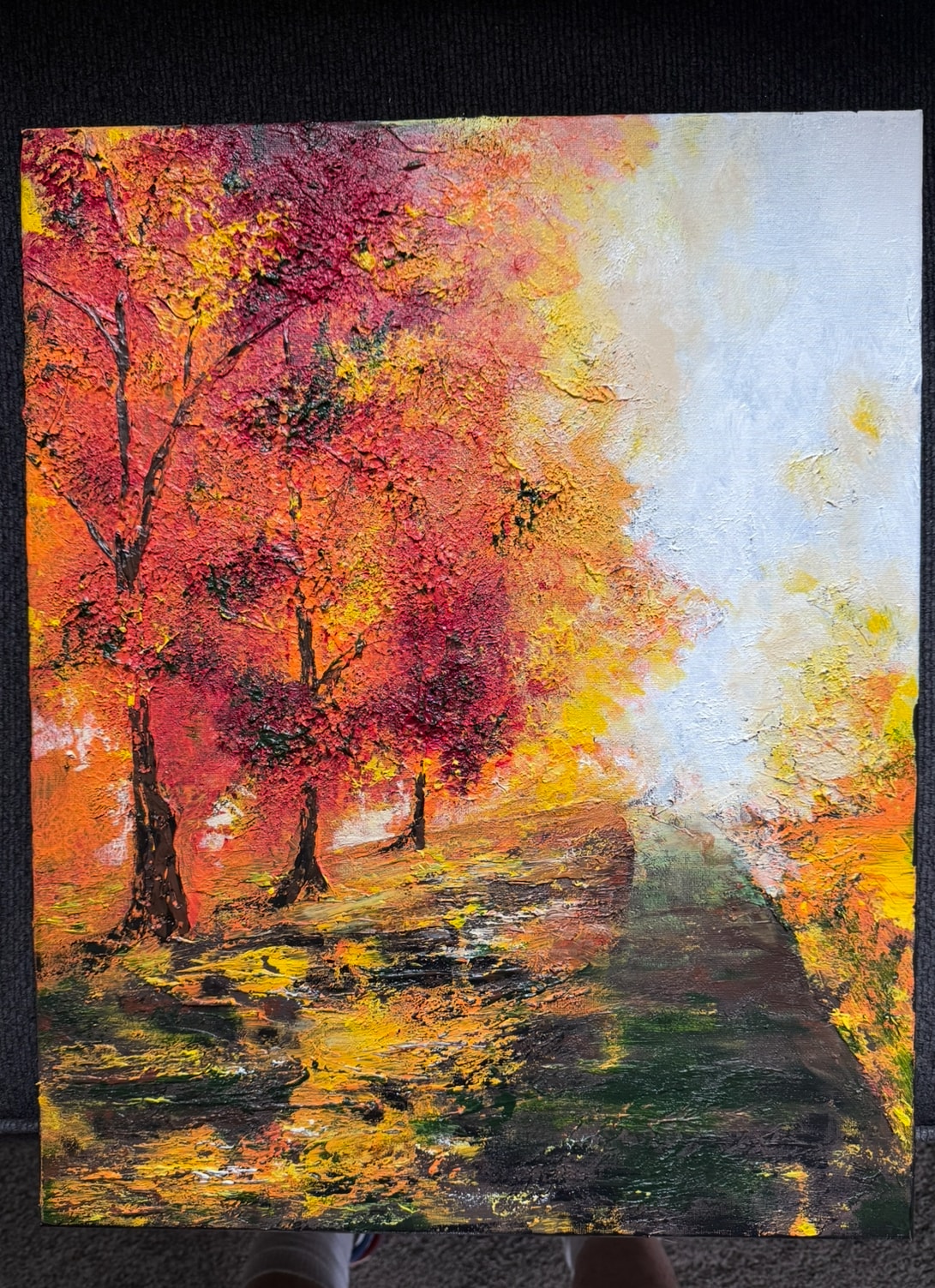
Browse Jay's texture paintings: View the Gallery →
See the miniature texture paintings: Mini Paintings Gallery →
Learn about the technique: What Is Caulk Art? →
What to Look for When Buying a Texture Painting
If you're looking to buy a texture painting, here's what separates genuine dimensional work from paintings that are merely described as textured:
- Ask about the technique — a real texture painter can explain exactly how the three-dimensional surface was built and what materials were used
- Look for visible shadows — genuine texture creates shadows you can see in photographs, not just surface variation that's only visible up close
- Ask about durability — impasto paintings can crack; caulk texture paintings are flexible and durable
- No prints — a texture painting that's been reproduced as a print has lost everything that makes it valuable; the three-dimensional surface cannot be printed
- Buy from the artist — texture painters who sell directly can answer questions about specific paintings, explain the technique, and stand behind their work
The Bottom Line
A texture painter is an artist who builds genuine three-dimensional surfaces into original paintings — not as a side effect of the painting process, but as a deliberate, foundational technique. The result is artwork that looks different from every angle, responds to light in ways flat paintings never can, and creates a physical presence in a room that reproductions and prints simply cannot replicate.
If you've been looking for a texture painter — for a painting that has real presence, real dimension, real texture — Jay the Painter ships nationwide from Akron, Ohio.
Ready to own a texture painting? Browse the full gallery → or call Jay directly at 330-285-3136
Jay the Painter is an independent texture painter based in Akron, Ohio. He creates original caulk texture paintings and sells directly to collectors nationwide. No gallery. No prints. No reproductions.
Explore Topics
Written by
Jay the Painter
Content creator and writer sharing insights and stories.