Texture Painter vs. Regular Painter: What's the Real Difference?
Both create paintings — but the similarities end there. A texture painter builds three-dimensional surfaces that cast real shadows and respond to light. A regular painter works on a flat canvas. Here's the complete breakdown of what separates these two approaches to original art.
Both are called painters. Both create original artwork on canvas. Both sell their work to collectors. But a texture painter and a regular painter are doing fundamentally different things — and understanding the difference matters if you're buying original art.
Here's the complete breakdown.
The Core Difference: Flat vs. Dimensional
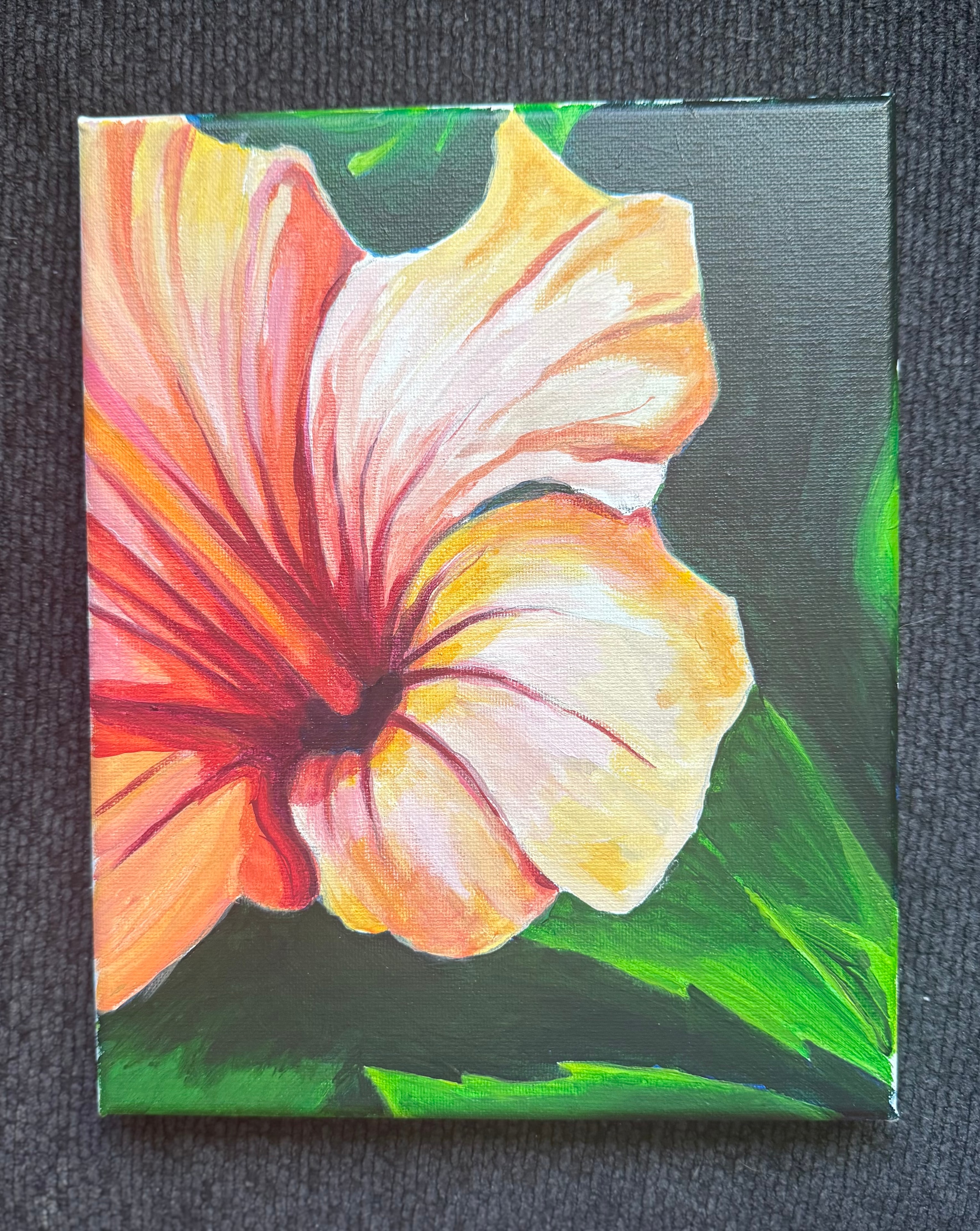
A regular painter works on a flat surface. The canvas is flat. The paint is applied to that flat surface. The finished painting is flat — or nearly flat, with modest surface variation from brushwork or palette knife.
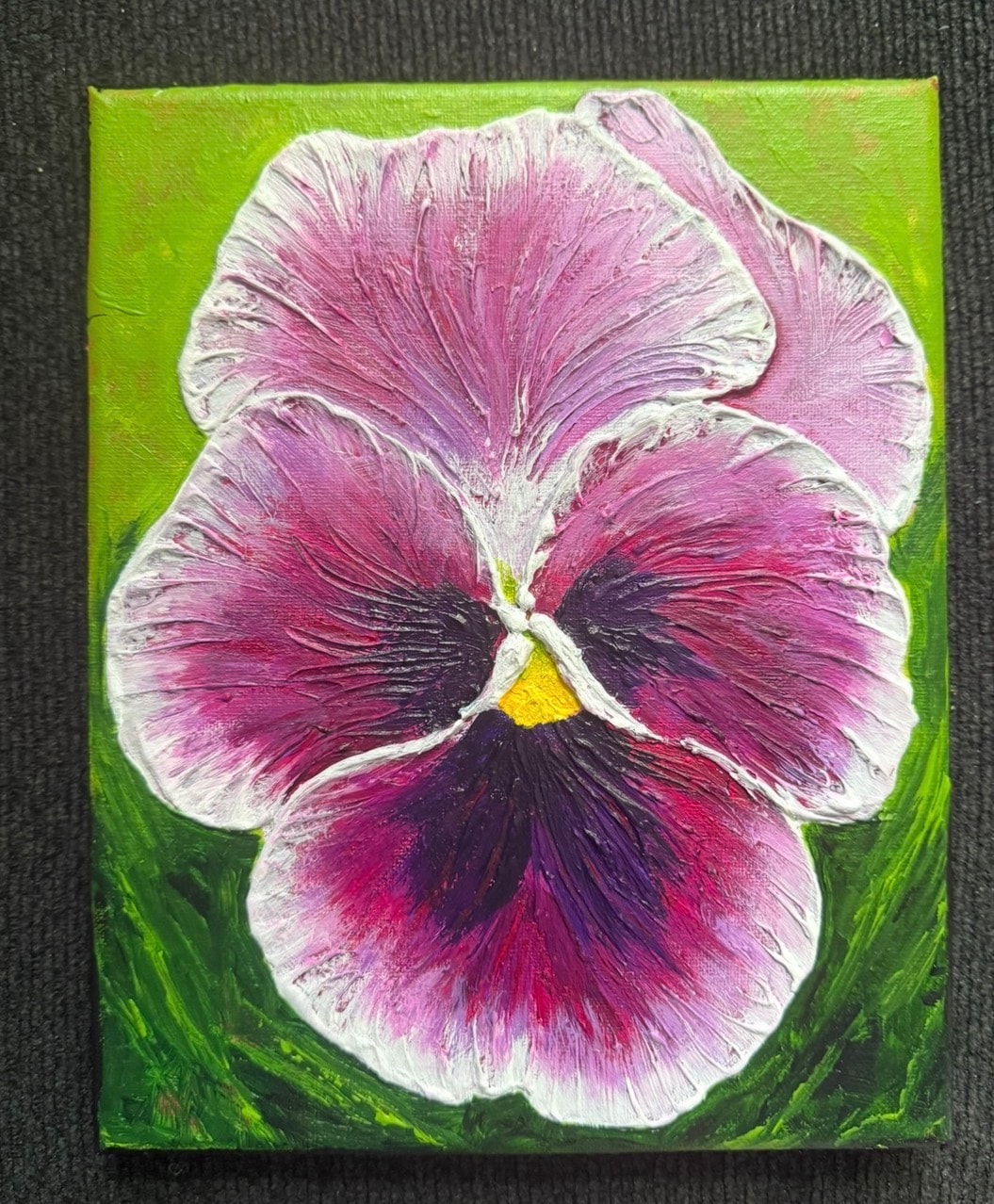
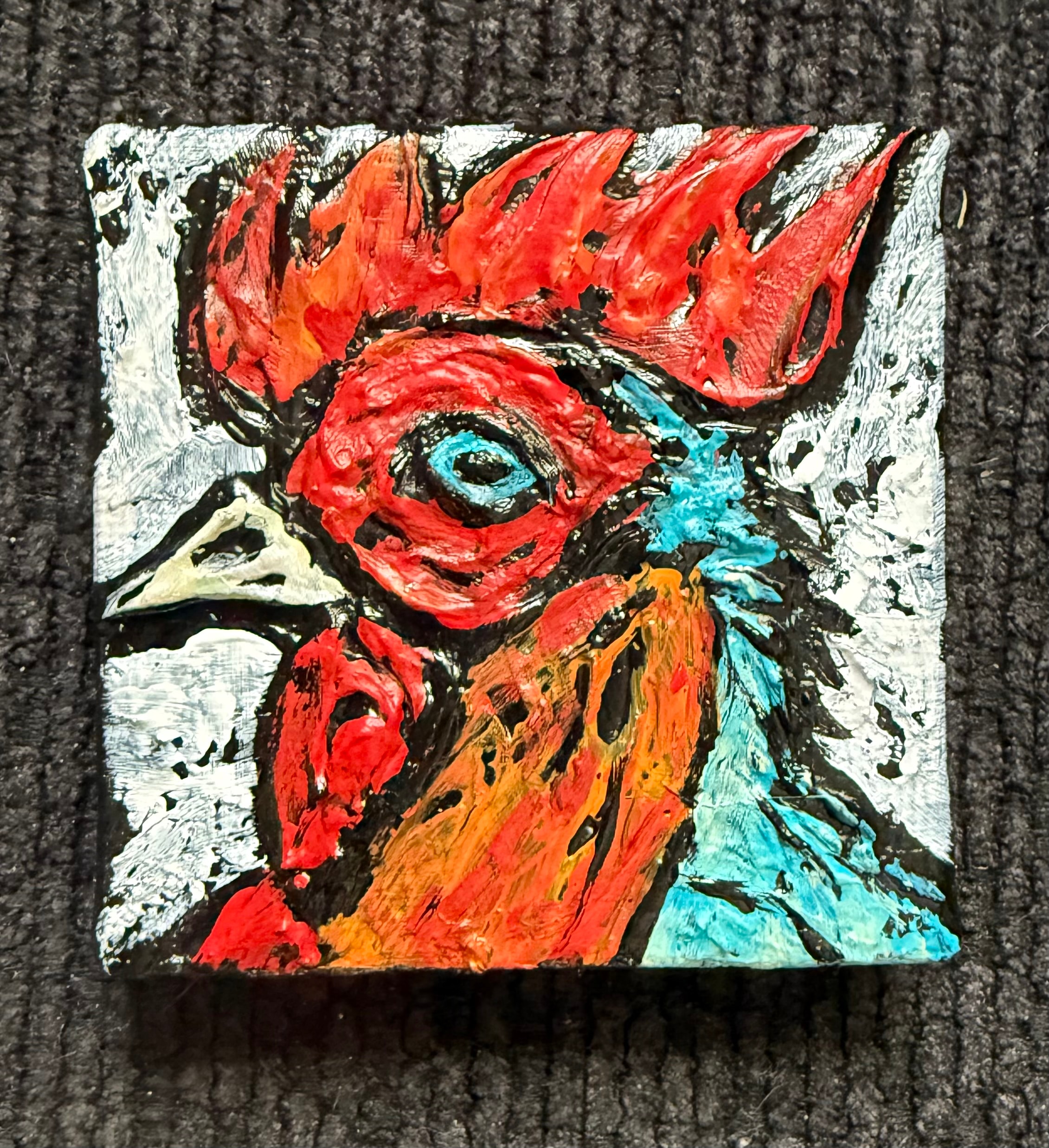
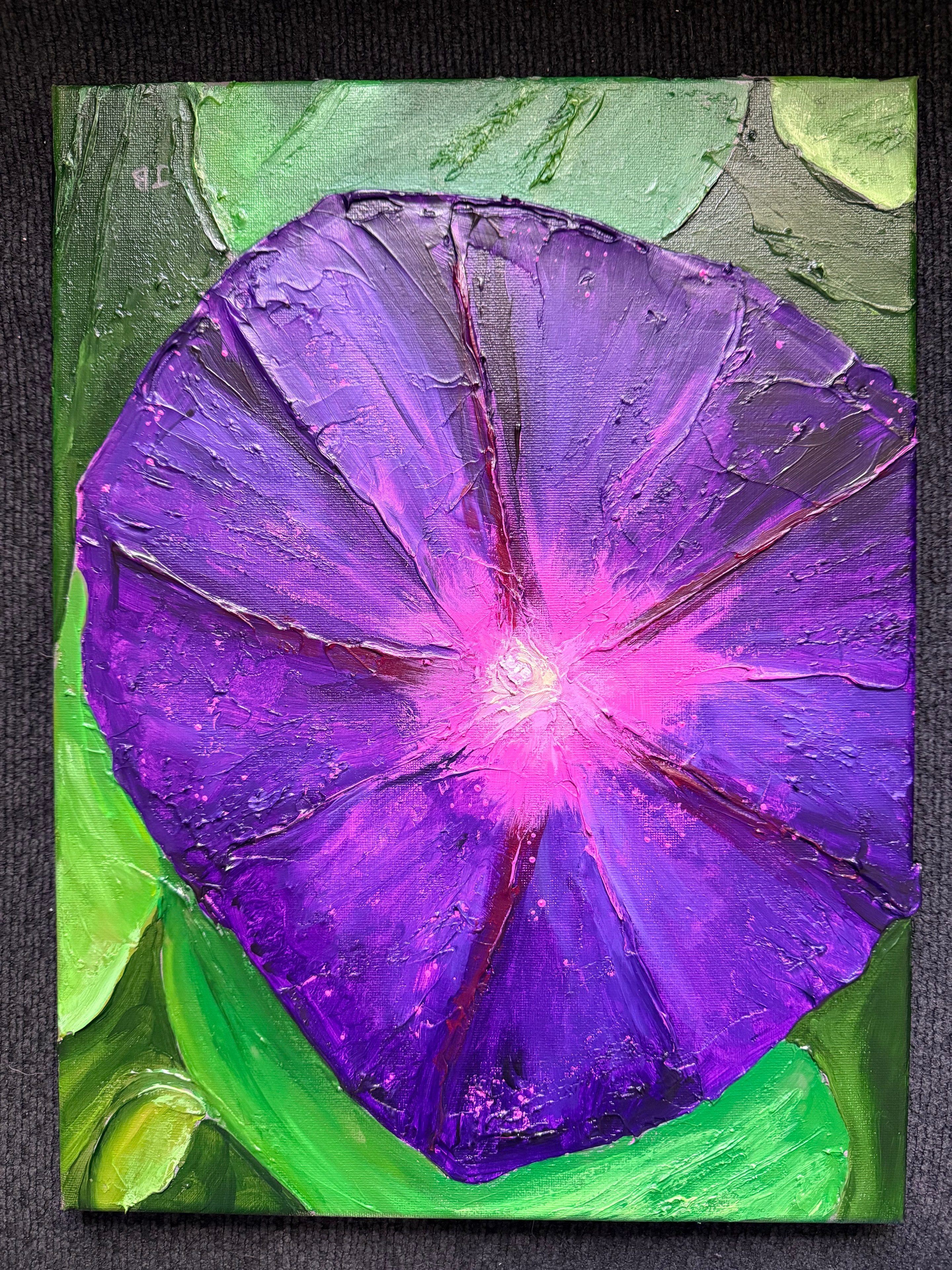
A texture painter builds three-dimensional surfaces. Before any paint is applied, the canvas has genuine raised structures — peaks, ridges, and contours that project off the surface. The painting is dimensional in the literal sense: it has height as well as width and length.
This isn't a subtle difference. It's a fundamental difference in what the finished artwork is.
Materials: What Each Painter Uses
Regular painters use:
- Oil paint, acrylic paint, or watercolor
- Brushes of various sizes and shapes
- Canvas, board, or paper
- Mediums that affect drying time, transparency, or texture
Texture painters use all of the above, plus:
- Materials to build three-dimensional structure: flexible caulk, modeling paste, gel mediums, or thick paint (impasto)
- Palette knives and sculpting tools to shape the three-dimensional material
- Additional time for the structural material to cure before painting begins
Jay the Painter uses flexible caulk as his primary structural material — a choice that produces more durable and more organic three-dimensional surfaces than the alternatives.
The Process: How Each Painter Works
A regular painter's process:
- Prepare the canvas (gesso, sizing)
- Sketch or plan the composition
- Apply paint in layers, building up color and value
- Finish and varnish
A texture painter's process:
- Prepare the canvas
- Plan the three-dimensional composition — where the raised surfaces will be, how high, what forms they'll take
- Build the three-dimensional structure using caulk, paste, or thick paint
- Wait for the structural material to fully cure
- Apply paint over the three-dimensional surface
- Finish and varnish
The texture painter's process is longer, more demanding, and less forgiving. The three-dimensional structure is permanent — once the caulk sets, it can't be changed. Every decision made during the structure-building phase is final.
What the Finished Work Looks Like
This is where the difference becomes most visible.
A regular painting:
- Flat or nearly flat surface
- Shadows and highlights are painted — created with pigment, not by actual light
- Looks essentially the same from every angle
- Looks the same in different lighting conditions (within reason)
- Can be fully captured in a photograph
A texture painting:
- Raised surfaces with genuine three-dimensional structure
- Shadows are real — created by actual light falling on actual raised surfaces
- Looks different from different angles as highlights and shadows shift
- Looks different at different times of day as the light source changes
- Cannot be fully captured in a photograph — the three-dimensional quality is lost in reproduction
Durability: Which Lasts Longer?
This is a nuanced question that depends on the specific materials used.
Regular paintings — oil and acrylic on canvas — are extremely durable when properly cared for. Oil paintings from the Renaissance are still in excellent condition. Acrylic paintings from the mid-20th century have held up well. Flat paintings don't have the structural vulnerabilities that dimensional work can have.
Texture paintings — the durability depends entirely on the structural material:
-
Impasto (thick paint): Can crack over time as the paint shrinks during drying. The thicker the impasto, the greater the cracking risk. Temperature and humidity changes accelerate the problem.
-
Modeling paste: More stable than thick paint, but can become brittle over time.
-
Flexible caulk (Jay's technique): The most durable option. Flexible caulk moves with the canvas as temperature and humidity change. It doesn't crack. A properly sealed caulk texture painting will hold its three-dimensional structure for decades.
When comparing a Jay the Painter caulk texture original to a conventional flat painting, the durability question is essentially a draw — both will last for decades with proper care.
Price: What to Expect
Regular paintings vary enormously in price — from a few dollars for student work to millions for established artists. For original work from a working independent artist, expect to pay $50–$500 for small to medium pieces, more for large or well-known artists.
Texture paintings typically command a premium over comparable flat work, for several reasons:
- The process is more time-consuming
- The materials cost more
- The technique is rarer and harder to develop
- The finished work has qualities that flat painting can't replicate
Jay the Painter's originals range from $40 for a miniature to $400 for a large original — competitive pricing for genuine dimensional work from a skilled artist.
What It Means for Collectors
If you're buying original art, the texture painter vs. regular painter distinction matters in a few specific ways:
Originals only. A print of a texture painting is a flat image of dimensional work — it has lost everything that makes it valuable. If you're buying a texture painting, buy the original. There is no meaningful reproduction of dimensional art.
In-person or video. Photographs don't capture texture paintings well. If you can see the work in person, do. If not, ask for video — the way the painting responds to moving light is much more visible in video than in still photography.
Ask about the technique. A genuine texture painter can explain exactly how the three-dimensional surface was built. If an artist can't explain their technique clearly, that's worth noting.
Consider the light in your home. Texture paintings respond to light in ways flat paintings don't. A painting that looks one way under overhead lighting will look different in natural light, different in lamp light. This is a feature — but it's worth thinking about where you'll hang the painting and what light it will live in.
The Bottom Line
A texture painter and a regular painter are both artists — but they're doing fundamentally different things. A texture painter builds three-dimensional surfaces that cast real shadows, respond to light, and create physical presence in a room. A regular painter creates flat images, however beautiful.
Neither is better in an absolute sense. But if you want original art with genuine dimensional quality — art that looks different from every angle, that responds to the light in your home, that has a physical presence no print can replicate — a texture painter is what you're looking for.
Jay the Painter is Akron Ohio's texture painter. His caulk texture originals ship nationwide.
Browse the gallery: jaythepainter.com/artwork
Mini paintings from $40: jaythepainter.com/myminipaintings
Call or text Jay: 330-285-3136
Jay the Painter is an independent texture painter based in Akron, Ohio. He creates original caulk texture paintings and sells directly to collectors nationwide.
Explore Topics
Written by
Jay the Painter
Content creator and writer sharing insights and stories.