Textured Painter Techniques Explained: From Impasto to Caulk Art
Not all textured painting techniques are equal. From traditional impasto to palette knife work to caulk art, each approach creates a different kind of dimensional surface with different visual qualities and durability. Here's the complete breakdown of textured painter techniques.
The term "textured painter" covers a wide range of techniques — from modest brushwork variation to genuine three-dimensional relief. Understanding the differences between these approaches helps collectors make informed decisions and helps aspiring artists understand what they're actually trying to develop.
Here's the complete breakdown of textured painter techniques, from the most basic to the most demanding.
Technique 1: Visible Brushwork
What it is: The most basic form of "texture" in painting — brushstrokes that are visible in the finished surface. Every painter who doesn't sand or smooth their paint creates some degree of visible brushwork.
How it's done: Applied with standard brushes. No special materials or techniques required.
Visual quality: Subtle surface variation. The texture is only visible up close. No real shadows are cast at normal viewing distance.
Durability: Excellent. Thin paint layers are the most stable form of painting.
Is this genuine texture painting? No. Visible brushwork is a characteristic of most paintings, not a texture technique. A textured painter who only has visible brushwork is using the term loosely.
Technique 2: Palette Knife Impasto
What it is: Applying thick paint with a palette knife to create raised surfaces. This is the most traditional approach to dimensional painting and has been used by artists for centuries.
How it's done: Paint — usually oil or acrylic — is applied thickly with a palette knife, building up ridges and peaks. The knife marks are visible in the finished surface.
Visual quality: Angular ridges with visible knife marks. Creates a distinctive, energetic surface quality. Van Gogh's swirling impasto is the most famous example.
Durability: Variable. Thick paint shrinks as it dries, and heavily impastoed paintings can develop hairline cracks over time — especially in environments with temperature and humidity changes. The thicker the impasto, the greater the cracking risk.
Is this genuine texture painting? Yes — palette knife impasto creates real three-dimensional surfaces with genuine shadows. But the angular, knife-mark quality of the texture limits the range of subjects it works well for.
Technique 3: Modeling Paste and Gel Mediums
What it is: Using acrylic modeling paste or gel mediums to build up three-dimensional surfaces before painting. These materials dry harder than paint and hold their shape better than impasto.
How it's done: Modeling paste is applied to the canvas with a palette knife, brush, or sculpting tools. It can be stamped, textured, or shaped before it dries. Once dry, it's painted over with acrylic.
Visual quality: More versatile than palette knife impasto — modeling paste can be shaped into a wider range of forms, from sharp geometric ridges to soft organic curves.
Durability: Better than impasto, but modeling paste can become brittle over time and may crack in environments with significant temperature and humidity changes.
Is this genuine texture painting? Yes — modeling paste creates real three-dimensional surfaces. It's a significant step up from impasto in terms of versatility and control.
Technique 4: Mixed Media Relief
What it is: Building three-dimensional surfaces using a combination of materials — sand, pumice, fabric, found objects, paper, and other materials embedded in or applied to the canvas.
How it's done: Materials are adhered to the canvas with gel medium or other adhesives, then painted over. The embedded materials create texture and dimension.
Visual quality: Highly variable depending on the materials used. Can create very distinctive surfaces — the roughness of sand, the weave of fabric, the irregular surface of crumpled paper.
Durability: Variable. Some mixed media materials are very stable; others can deteriorate over time. The adhesion of embedded materials is a potential weak point.
Is this genuine texture painting? Yes, when done with structural intent. Mixed media relief can create genuinely dimensional surfaces.
Technique 5: Caulk Texture Painting
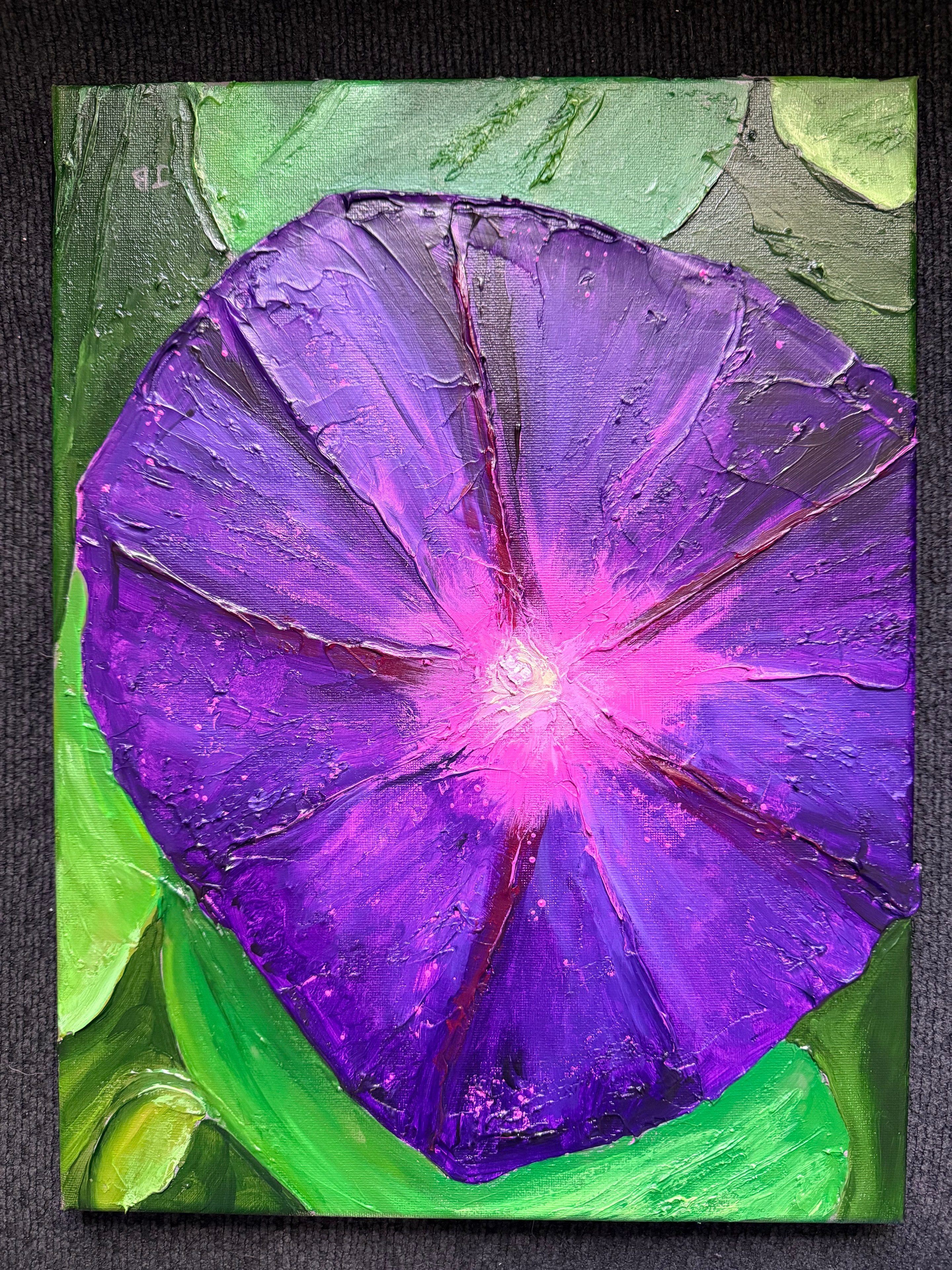
What it is: Building three-dimensional surfaces using flexible caulk — the same material used in construction to seal bathtubs, windows, and door frames. This is the technique used by Jay the Painter.
How it's done: Caulk is applied to the canvas using a caulk gun and shaped with palette knives, brushes, and fine tools. The caulk is worked during a limited window before it sets, then allowed to fully cure before painting begins.
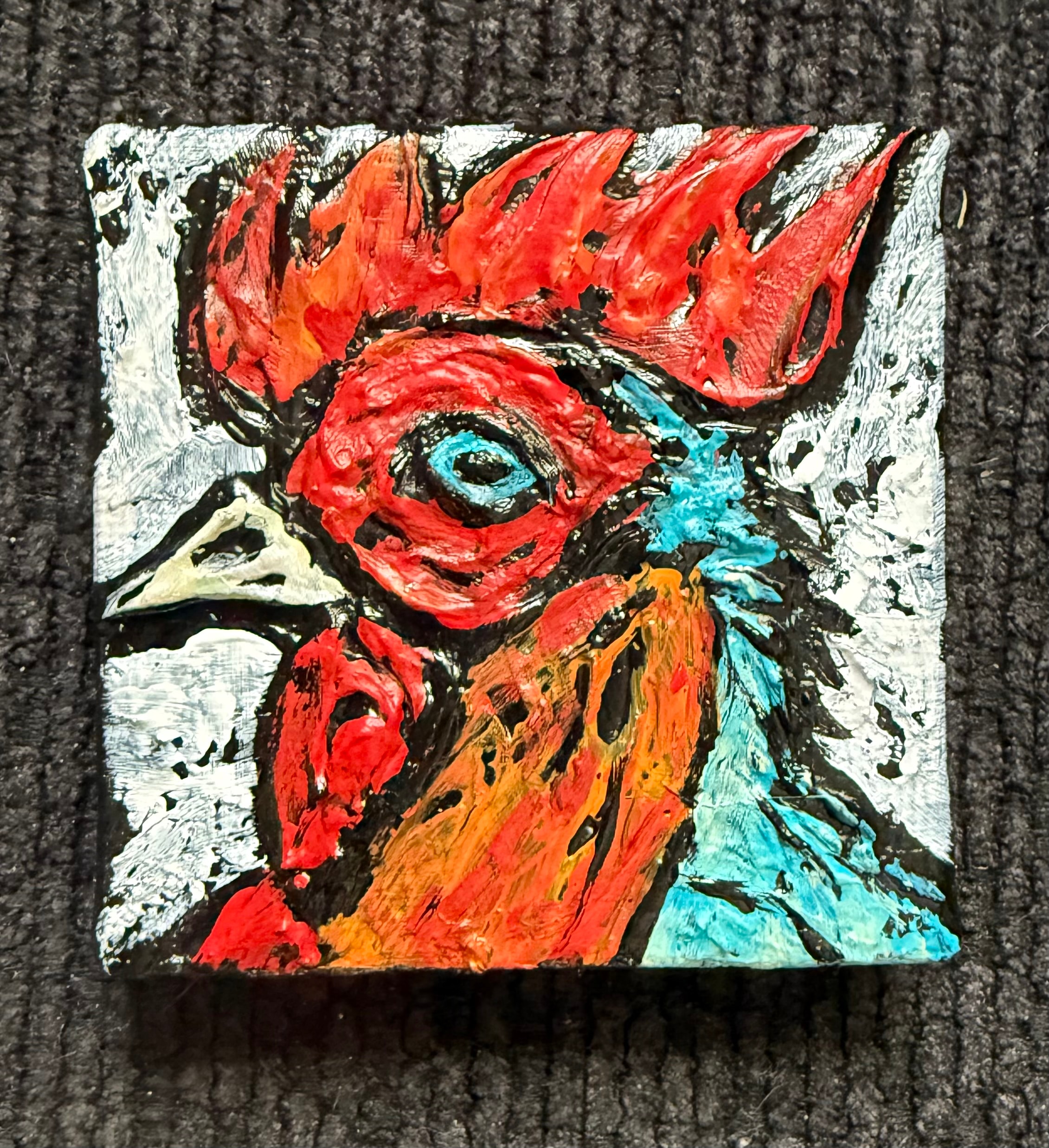
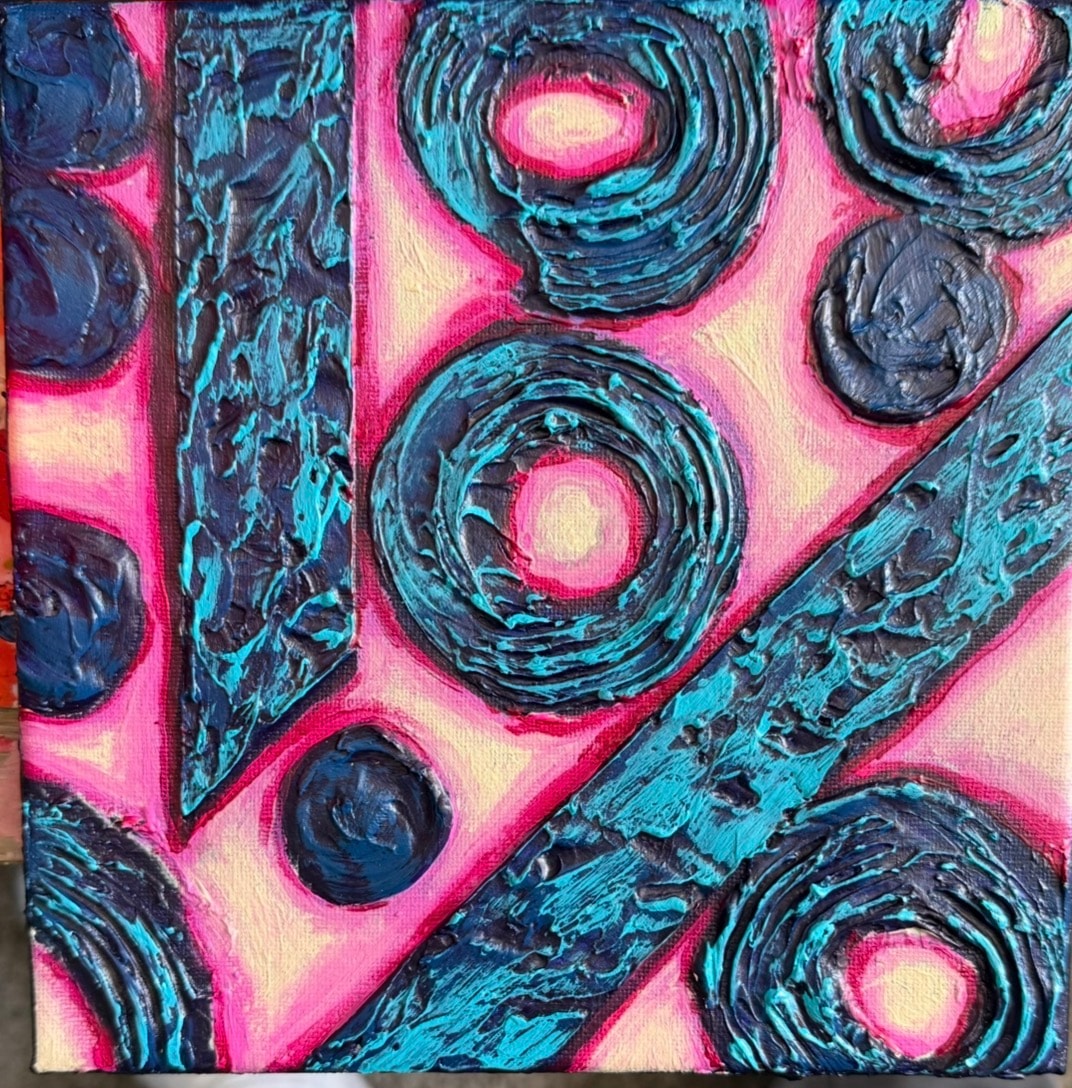
Visual quality: The most organic and versatile of the dimensional techniques. Caulk can be shaped into soft curves, rough textures, fine details, and complex forms that palette knife impasto and modeling paste can't achieve. The finished surface has a quality that's closer to sculpture than to conventional painting.
Durability: The best of any dimensional technique. Flexible caulk doesn't crack — it moves with the canvas as temperature and humidity change. A properly sealed caulk texture painting will hold its three-dimensional structure for decades.
Is this genuine texture painting? Absolutely — and it's the most demanding and most durable form of dimensional painting.
Comparing the Techniques: A Summary
| Technique | Dimensional Quality | Organic Form | Durability | Difficulty |
|---|---|---|---|---|
| Visible brushwork | Minimal | N/A | Excellent | Low |
| Palette knife impasto | Moderate | Limited | Variable | Moderate |
| Modeling paste | Good | Moderate | Good | Moderate |
| Mixed media relief | Good | Variable | Variable | Moderate |
| Caulk texture | Excellent | Excellent | Excellent | High |
What Makes Caulk Texture Painting the Most Demanding Technique
The caulk texture technique is the most demanding of the dimensional approaches for several reasons:
The working window is unforgiving. Caulk has a limited period during which it can be shaped and sculpted. Work too slowly and the caulk sets before the texture is complete. Work too quickly and the forms lose their precision. A caulk texture painter develops an instinct for the material that takes years to build.
The decisions are permanent. Once the caulk sets, the three-dimensional structure is permanent. There's no sanding it down and starting over. Every decision made during the texture-building phase is final.
The painting phase requires new instincts. Painting over a three-dimensional surface is completely different from painting on a flat canvas. The texture painter has to think about how paint will behave in the valleys and on the peaks, how light will interact with the raised surfaces, how colors will look different on different parts of the three-dimensional form.
The scale range is extreme. Jay applies the full caulk texture technique at every scale — from large originals to miniature 2.44-inch paintings. Maintaining precision at miniature scale requires exceptional control.
Seeing the Techniques in Action
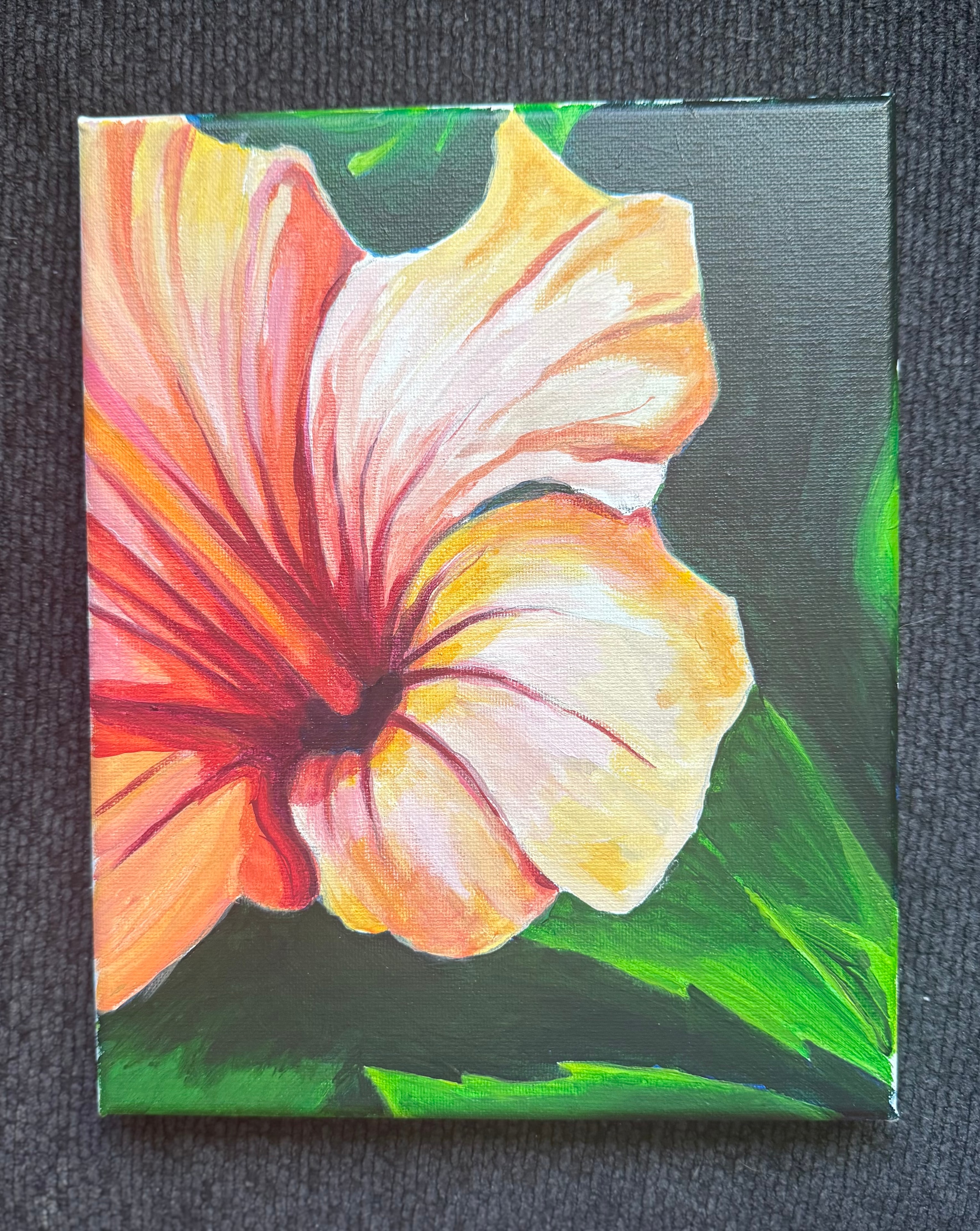
The best way to understand what caulk texture painting looks like — and how it differs from other dimensional techniques — is to see the finished work.
Browse Jay's full gallery of original caulk texture paintings: View the Gallery →
See the before-and-after process photos: Caulk Art Process →
Learn more about the technique: What Is Caulk Art? →
Questions about technique? Call or text Jay at 330-285-3136 — he's happy to discuss the specifics of caulk texture painting with anyone who's curious.
Jay the Painter is an independent texture painter based in Akron, Ohio. He creates original caulk texture paintings and sells directly to collectors nationwide.
Explore Topics
Written by
Jay the Painter
Content creator and writer sharing insights and stories.