How to Collect Art on a Budget: A Beginner's Guide to Affordable Art Collecting
You don't need to be wealthy to collect original art. Here's a practical guide to building a meaningful art collection on a budget — including where to find affordable originals, what to look for, and how to start today.
How to Collect Art on a Budget: A Beginner's Guide to Affordable Art Collecting
Art collecting has a reputation as a hobby for the wealthy. Auction houses, gallery openings, six-figure paintings — the popular image of art collecting feels out of reach for most people.
But that image is wrong. Meaningful art collections are built every day by people with modest budgets who simply love art and want to live with it. Here's how to do it.
The First Rule: Buy What You Love
Before anything else, understand this: the best art collection is one you love living with. Don't buy art as an investment. Don't buy art to impress people. Don't buy art because someone told you it was a good deal.
Buy art that makes you feel something when you look at it. That's the only rule that matters.
Everything else in this guide is practical advice for finding and buying art you love without spending more than you can afford.
Set a Budget — Any Budget
You can start collecting original art for as little as $40. Seriously. Many working artists sell small original paintings — miniatures, studies, works on paper — at very accessible price points.
A reasonable starting budget for a first original painting:
- $40–$100 — small originals, miniatures, works on paper
- $100–$300 — mid-size originals from emerging and independent artists
- $300–$600 — larger originals, more established artists
- $600+ — gallery-represented artists, larger works, more established names
You don't need to start at the top. Many serious collectors started with a $50 painting they bought directly from an artist at a local show. The collection grows over time.
Where to Find Affordable Original Art
Buy Directly From Artists
The best way to find affordable original art is to buy directly from the artist. When you buy through a gallery, the gallery typically takes 40–50% of the sale price. When you buy directly, 100% goes to the artist — and the price is often lower because there's no gallery markup.
Ways to buy directly from artists:
- Artist websites — many artists sell directly from their own sites
- Local art shows and fairs — artists sell their work in person, often at lower prices than galleries
- Social media — Instagram and Facebook are full of working artists who sell directly
- Studio visits — many artists welcome visitors to their studios and sell work there
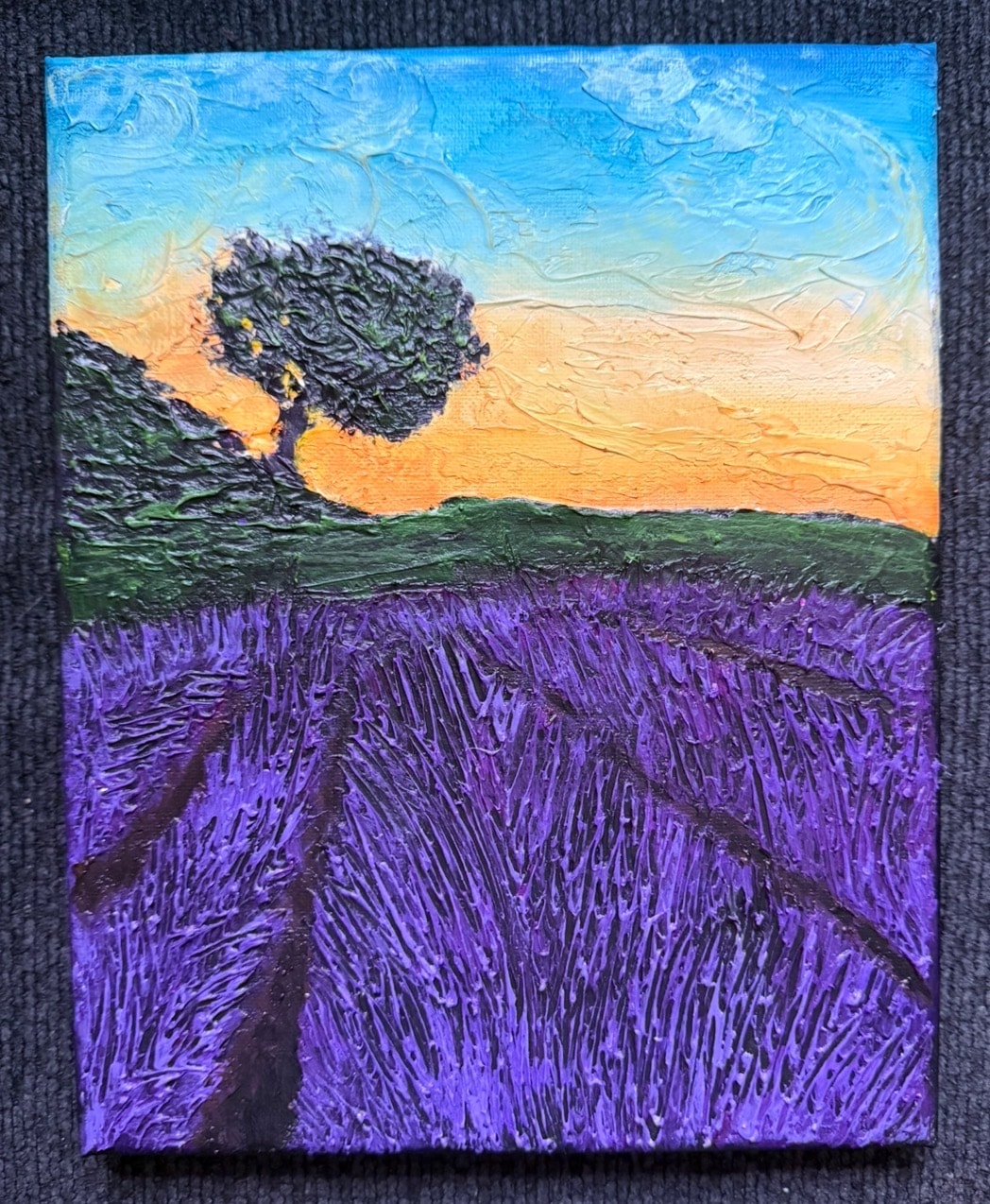
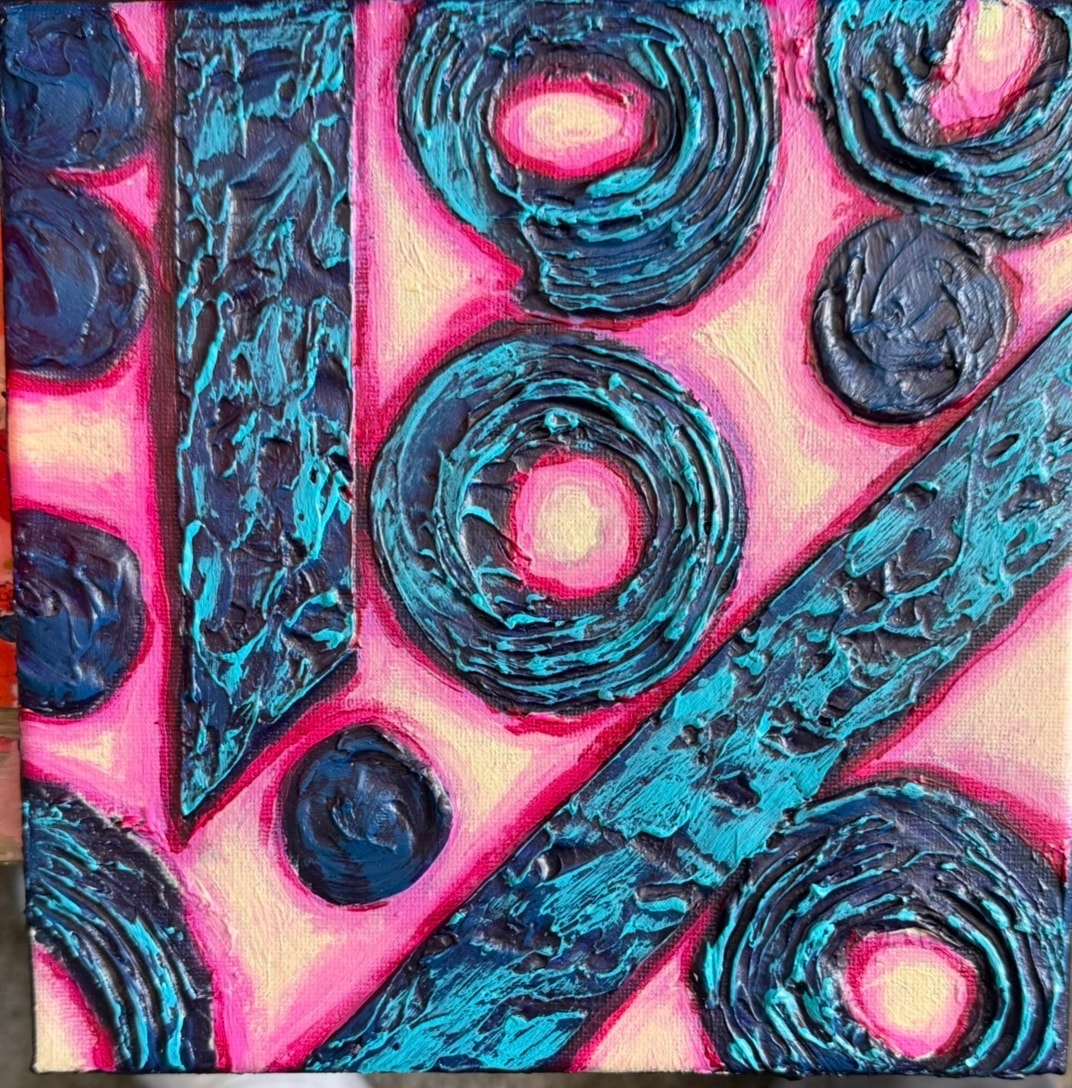
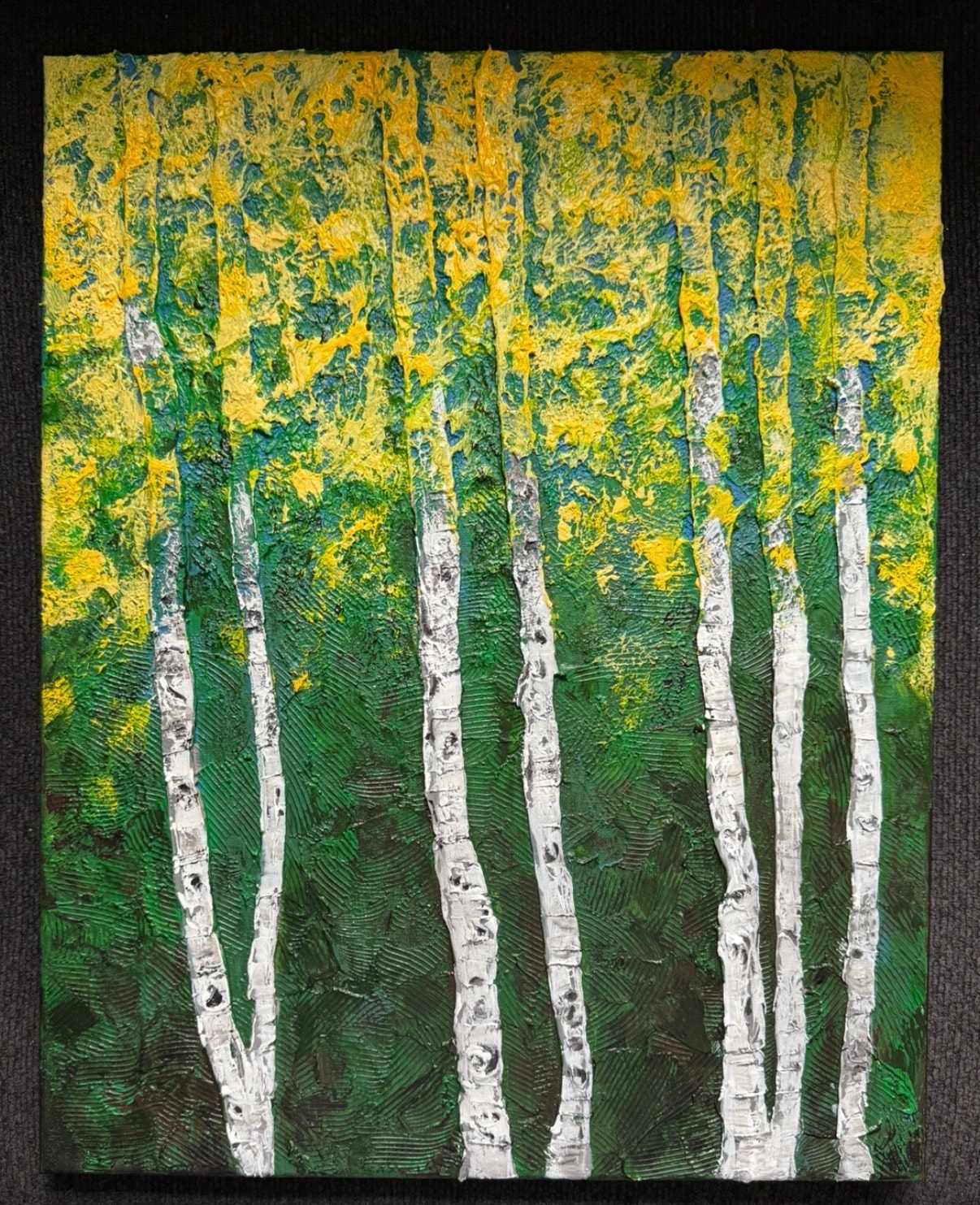
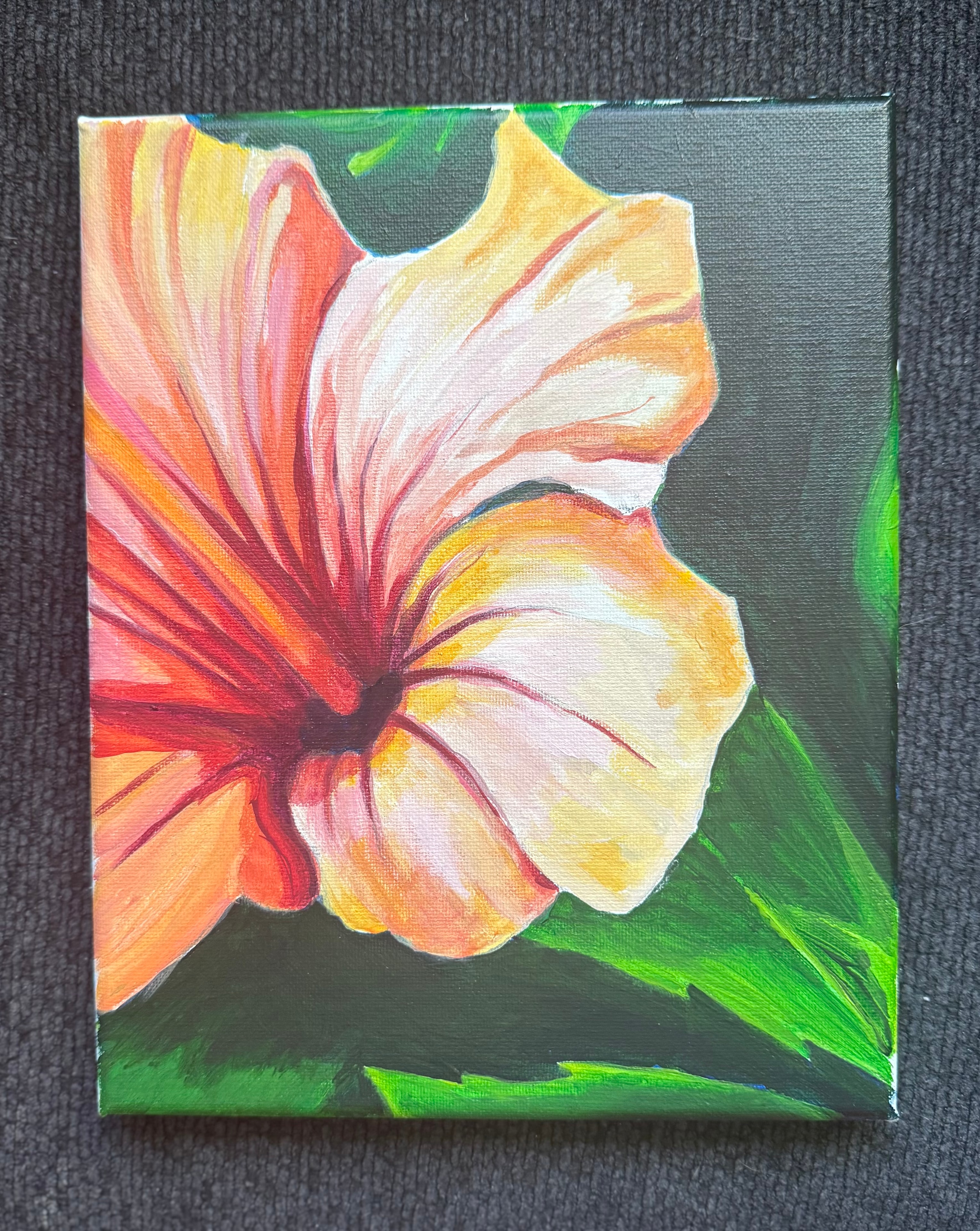
Jay the Painter in Akron, Ohio sells original paintings directly from his website at jaythepainter.com. No gallery markup. You pay the artist directly.
Look for Mini Paintings and Small Works
Small original paintings are the best entry point for budget collectors. Many artists create small works — miniatures, studies, works on paper — that they sell at much lower prices than their larger pieces.
These small works are often just as carefully made as the large ones. They're simply smaller. And they can be just as impactful in the right setting.
Jay's mini paintings gallery features 45+ original paintings starting at $40 each. Every one is a one-of-a-kind original — no prints, no reproductions.
Attend Local Art Events
Local art shows, open studio events, and art fairs are excellent places to find affordable original art. Artists at these events are often selling work at lower prices than they would through galleries, and you get to meet the artist in person.
Look for:
- Local art association shows
- University and college art department shows
- Open studio events
- Neighborhood art walks
- Farmers markets with artist vendors
Follow Emerging Artists
Emerging artists — those early in their careers — typically price their work much lower than established artists. Buying from an emerging artist you believe in is both affordable and potentially rewarding if their career develops.
How to find emerging artists:
- Follow local art schools and their student/alumni shows
- Follow hashtags on Instagram (#emergingartist, #originalpainting, your city + "artist")
- Visit local galleries that specialize in emerging work
- Ask artists you already follow who they admire
What to Look For When Buying Affordable Art
Originality Over Brand Name
When you're collecting on a budget, you can't afford famous names. That's fine. Focus on originality — work that looks like nothing else you've seen, made by an artist with a distinctive voice.
The most interesting collections are built around artists who were discovered early, not artists who were already famous.
Quality of Craft
Even at low price points, you can assess the quality of the work. Look for:
- Clean, intentional edges (or intentionally rough edges — the point is intention)
- Paint that's applied with confidence, not hesitation
- A composition that holds together — your eye should move through the painting naturally
- Materials that look like they'll last — canvas that's properly stretched, paint that's applied evenly
Condition
When buying original art, check the condition carefully:
- No cracks in the paint surface (unless intentional)
- No tears or punctures in the canvas
- No significant fading or discoloration
- Proper stretching — the canvas should be taut, not sagging
Provenance and Authenticity
For affordable art bought directly from the artist, provenance is simple: you bought it from the person who made it. Ask for a signed certificate of authenticity or a receipt that includes the artist's name, the title of the work, the medium, the size, and the date.
How to Display a Budget Art Collection
You don't need expensive frames or a large home to display art well. Some principles:
One great piece beats a wall of mediocre ones. A single original painting hung thoughtfully makes more impact than a dozen prints arranged in a grid.
Lighting matters more than framing. A well-lit painting in a simple frame looks better than a poorly lit painting in an expensive frame. A small picture light or an adjustable track light aimed at the painting makes a huge difference.
Group by feeling, not by style. When hanging multiple pieces together, look for works that feel related — similar emotional quality, similar color temperature, similar scale — rather than works that match stylistically.
Leave room to grow. Don't fill every wall immediately. Leave space for the next piece you fall in love with.
Starting Your Collection Today
The best time to start collecting art is now. Not when you have more money. Not when you know more about art. Now.
Start with one piece you genuinely love. Buy it directly from the artist if you can. Hang it somewhere you'll see it every day.
That's a collection.
Jay the Painter's mini paintings start at $40 — original caulk texture paintings, one of a kind, shipped nationwide. Browse the mini paintings gallery here.
For full-size originals, browse the main gallery or call/text Jay directly at 330-285-3136.
Jay the Painter — original paintings from Akron, Ohio. Originals starting at $40. Call or text 330-285-3136.
What makes Jay's work collectible: The caulk art technique → | Caulk Art 101 → | Jay the Painter — texture artist →