Textured Wall Art for the Living Room: How to Choose and Display It
Textured wall art transforms a living room in a way flat prints never can. Here's how to choose the right piece, where to hang it, and why original textured paintings are worth the investment.
Textured Wall Art for the Living Room: How to Choose and Display It
The living room is the most important room in the house for art. It's where guests form their first impression, where your family spends the most time, and where a single great piece of wall art can define the entire feel of the space.
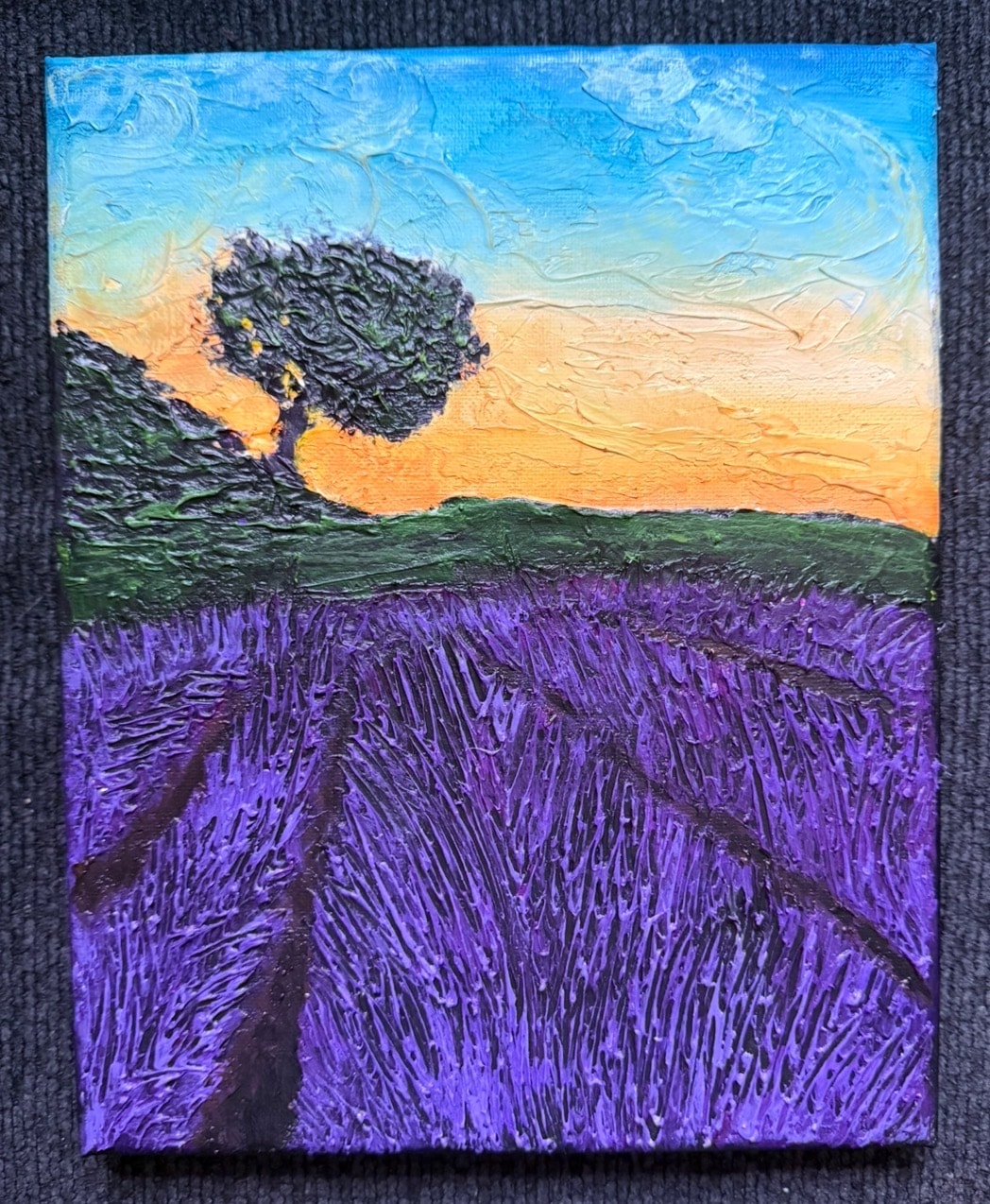
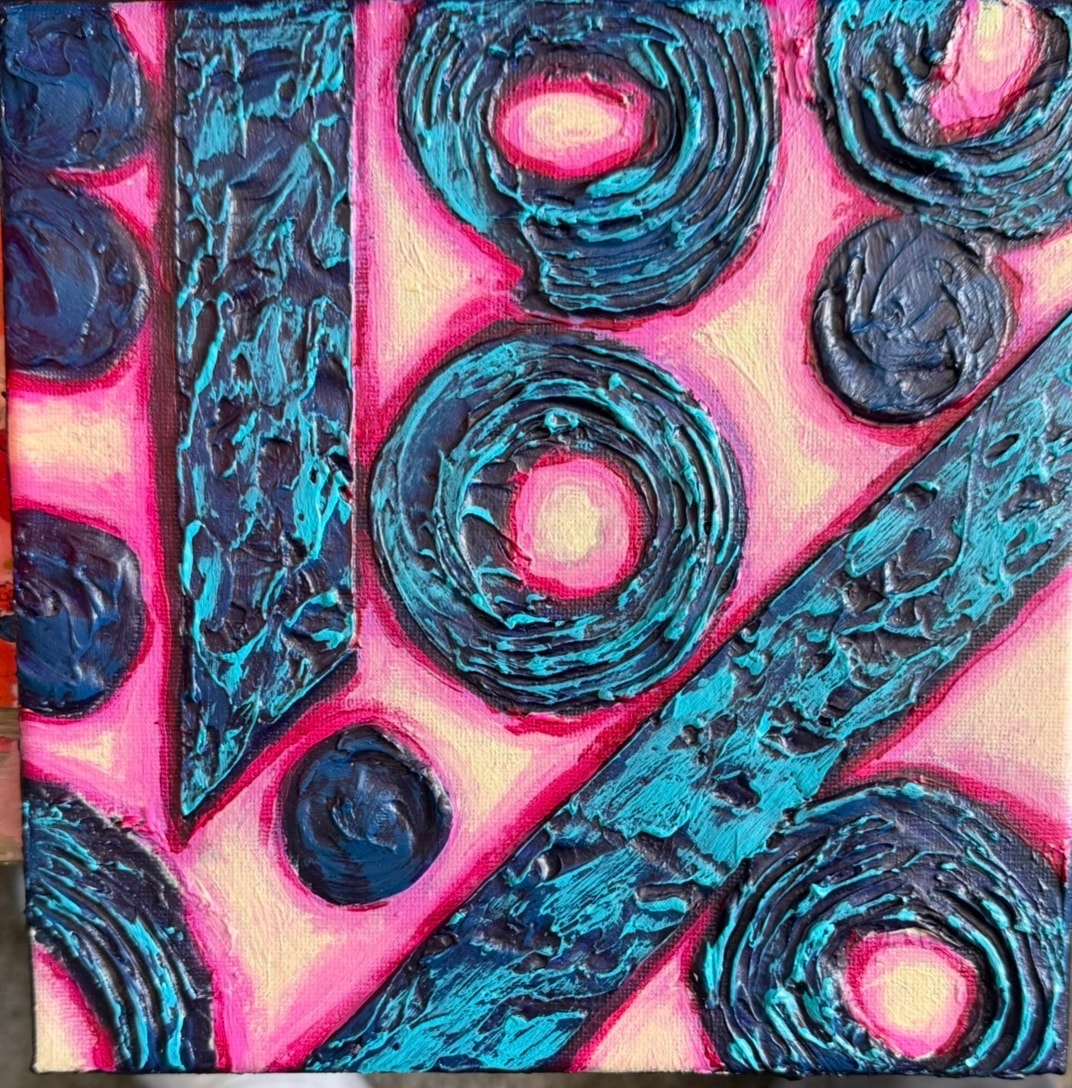
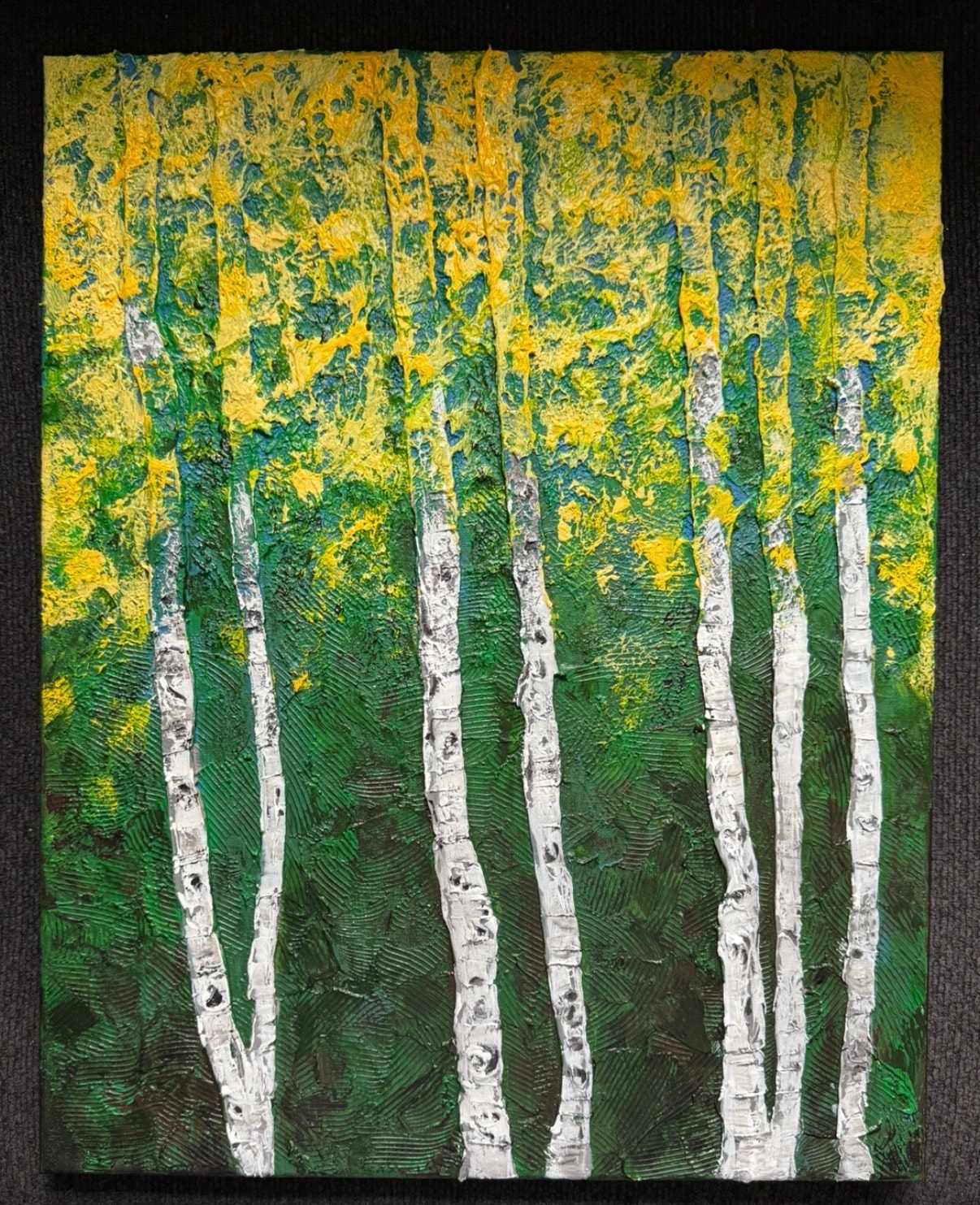
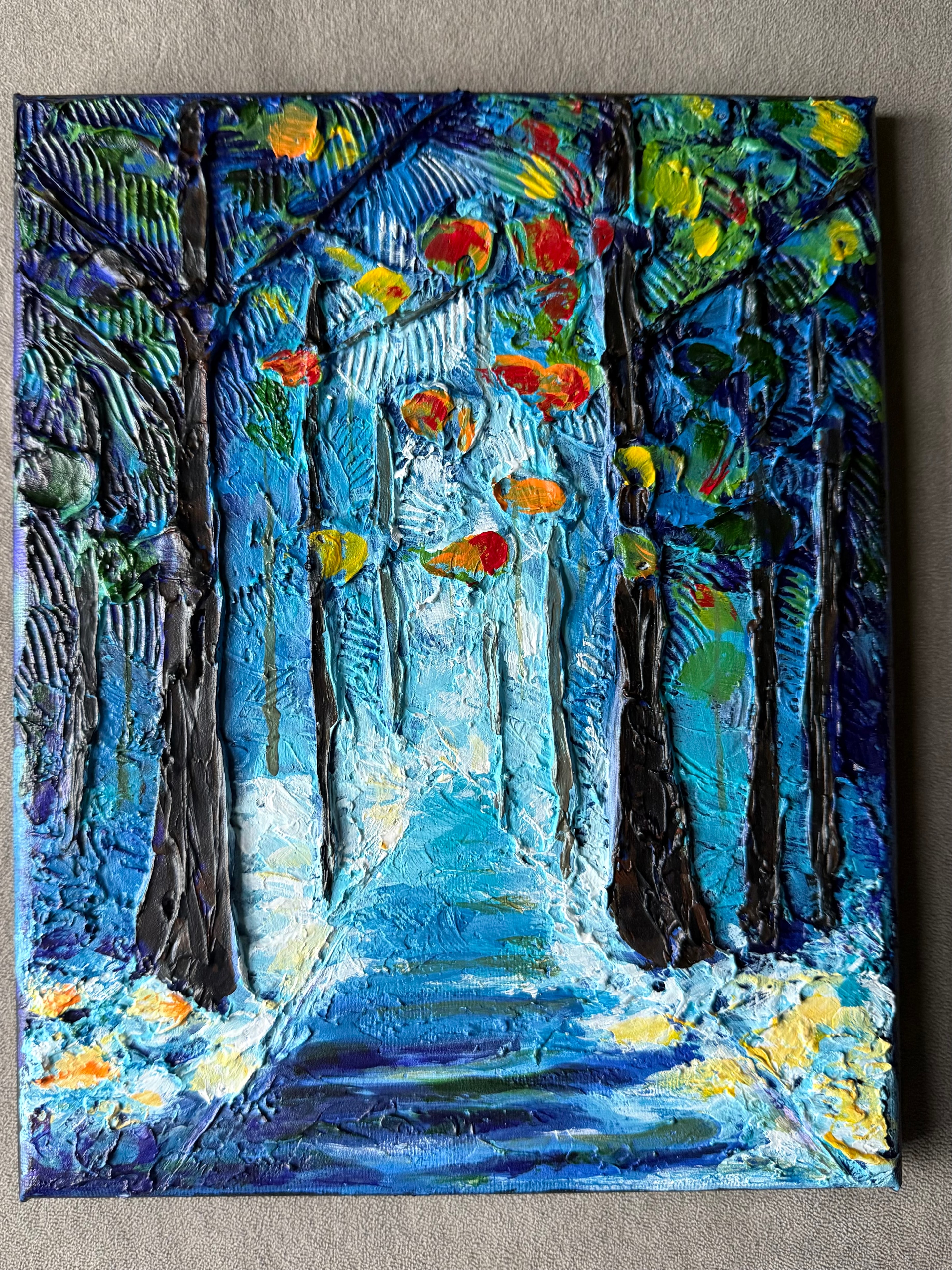
Textured wall art — paintings with physical, raised surfaces — does something flat prints and posters simply cannot: it creates a focal point that changes with the light, draws the eye from across the room, and rewards close inspection with details that only reveal themselves up close.
This guide covers everything you need to know about choosing and displaying textured wall art in your living room.
Why Textured Wall Art Works Better in Living Rooms
It Creates a True Focal Point
Every well-designed living room has a focal point — the fireplace, a large window, or a statement piece of furniture. Textured wall art creates a focal point that works in any room, regardless of architecture.
The raised surfaces of a textured painting catch light and create shadows that draw the eye even from across the room. You notice it the moment you walk in. Flat prints don't have this quality — they blend into the wall.
It Changes Throughout the Day
One of the most compelling qualities of textured wall art is that it's never quite the same twice. In morning light, the shadows fall one way. In afternoon sun, they shift. In lamplight at night, the texture becomes more dramatic and the shadows deepen.
This means you never get tired of a textured painting the way you might get tired of a flat print. The painting you see in the morning is not quite the same painting you see at night.
It Photographs Beautifully
If you ever share photos of your home on social media or with friends, textured wall art photographs dramatically. The interplay of light and shadow across a raised surface creates images that look almost like sculpture. Flat prints photograph as flat rectangles — textured paintings photograph as art.
It Signals Originality
A textured original painting tells guests something about you: that you value craft, originality, and quality. It's a conversation starter in a way that a mass-produced print never is.
How to Choose Textured Wall Art for Your Living Room
Consider the Scale
The most common mistake people make when buying wall art is choosing pieces that are too small. In a living room, art needs to be large enough to hold its own against the furniture and architecture.
As a general rule:
- Sofa wall: The art should be roughly two-thirds the width of the sofa
- Fireplace wall: The art should be proportional to the mantle — not so wide it extends past the firebox, not so narrow it looks lost
- Accent wall: A single large piece (24x30 or larger) makes more impact than several small pieces
Textured paintings are particularly effective at large scale — the texture reads more dramatically when there's more surface area for light and shadow to play across.
Consider the Color Palette
Textured wall art doesn't need to match your furniture exactly — in fact, a piece that's too matchy-matchy can look like it was chosen by an interior decorator rather than a person with taste. But it should work with the room's overall palette.
Look for:
- Complementary colors — colors that sit opposite each other on the color wheel create energy and visual interest
- Analogous colors — colors that sit next to each other on the color wheel create harmony and calm
- Neutral backgrounds with bold focal colors — a painting with a dark or neutral background and a bright focal element (a flower, a landscape) works in almost any room
Consider the Subject
The subject of the painting matters less than most people think — what matters is the emotional quality it brings to the room. That said, some subjects work particularly well in living rooms:
- Landscapes — create a sense of space and calm; particularly effective in smaller rooms
- Florals — bring warmth and life; work well in rooms with natural light
- Abstract — versatile and sophisticated; work in contemporary and traditional rooms alike
- Animals — bold and personal; make strong focal points
Consider the Texture Technique
Not all textured paintings are made the same way. The texture medium affects how the painting looks, how durable it is, and how it responds to light.
Caulk texture paintings — like those made by Jay the Painter — use flexible caulk as the structural medium. The texture is permanent, flexible, and will not crack over time. The raised forms can be quite pronounced, creating dramatic shadows in raking light. Learn more about caulk texture painting.
Impasto paintings — made with thick paint applied directly — have a more subtle texture. The brushstrokes are visible and expressive, but the relief is generally less pronounced than caulk texture work.
Modeling paste paintings — can have very pronounced texture, but the paste becomes rigid when dry and can crack if the canvas flexes.
Where to Hang Textured Wall Art in the Living Room
The Sofa Wall
The wall behind the sofa is the most traditional location for a statement piece of wall art. Hang the center of the painting at eye level — approximately 57–60 inches from the floor to the center of the painting.
For textured paintings, consider the light source. If there's a lamp or window nearby that will cast raking light across the surface, position the painting to take advantage of it. Side lighting makes texture look most dramatic.
The Fireplace Wall
Above the fireplace is a classic location, but be careful about heat and humidity if the fireplace is used regularly. Caulk texture paintings are more tolerant of environmental variation than rigid-medium paintings, but no original artwork should be hung directly above an active fireplace.
If the fireplace is decorative or rarely used, the mantle wall is an excellent location for a large textured painting.
An Accent Wall
If your living room has an accent wall — a wall painted a different color or covered in wallpaper — a large textured painting on that wall creates a layered focal point. The texture of the painting plays against the texture or color of the wall behind it.
A Gallery Wall
Textured paintings work beautifully in gallery walls, but they need more breathing room than flat prints. Leave at least 3–4 inches between pieces so the texture of each painting can be appreciated individually.
Lighting Textured Wall Art
Lighting is the single most important factor in how textured wall art looks in your home. The right lighting can make a painting look extraordinary. The wrong lighting can make it look flat.
Picture lights — small lights mounted directly to the frame or wall above the painting — are the most effective option. They cast light downward across the surface at an angle, creating shadows in the recessed areas and highlights on the raised peaks.
Track lighting — adjustable spotlights on a ceiling track — work well if you can angle them to hit the painting from the side rather than straight on.
Avoid overhead lighting directly above the painting. Light coming straight down from above flattens the texture. You want the light to come from an angle.
Natural light works beautifully with textured paintings, but be aware that direct sunlight can fade paint over time. Position textured paintings where they receive indirect natural light rather than direct sun.
Original Textured Wall Art for Your Living Room
Jay the Painter creates original caulk texture paintings in Akron, Ohio — available for purchase and shipped nationwide. Every painting is one of a kind. No prints, no reproductions.
Subjects include landscapes, florals, abstracts, and animal portraits. Sizes range from small accent pieces to large statement paintings.
Browse the full gallery — or call/text Jay directly at 330-285-3136 to discuss what would work best in your space.
Jay the Painter — original caulk texture paintings from Akron, Ohio. Call or text 330-285-3136.
The technique that creates the texture: What is caulk art? → | Caulk texture painting explained → | Jay's process →