Original Art vs Prints: Why Buying Original Paintings Is Worth It
Original art vs prints — what's the real difference, and is an original painting worth the extra cost? Here's an honest breakdown of what you get with each, and why serious collectors always choose originals.
Original Art vs Prints: Why Buying Original Paintings Is Worth It
The question comes up constantly: should I buy an original painting or a print? Prints are cheaper, easier to find, and come in any size. Originals cost more and require more thought. So what's the real difference — and is an original painting actually worth it?
The honest answer: it depends on what you want from art. But for anyone who wants their home to feel genuinely personal, who wants something that can't be replicated, or who wants to support a living artist — the original wins every time.
Here's a complete breakdown.
What Is an Original Painting?
An original painting is a one-of-a-kind work created entirely by hand by an artist. Every brushstroke, every texture decision, every color choice was made by a human being in real time. When you buy an original, you own the only one in existence.
Original paintings include:
- Oil paintings on canvas or panel
- Acrylic paintings on canvas, board, or paper
- Watercolor paintings on paper
- Textured paintings using specialty mediums (caulk, paste, mixed media)
- Gouache, tempera, encaustic, and other hand-applied mediums
The key word is hand-applied. An original painting has physical paint on a physical surface, applied by an artist's hand.
What Is a Print?
A print is a reproduction of an original artwork, produced mechanically. The most common types:
Giclée prints — high-quality inkjet prints on canvas or fine art paper. These are the most common "art prints" sold online. They can look very good, but they are reproductions — the same image can be printed thousands of times.
Poster prints — lower-quality reproductions on standard paper, typically sold framed or unframed at mass-market retailers.
Limited edition prints — reproductions produced in a stated limited quantity (e.g., "edition of 50"). The limitation is artificial — the artist or publisher simply chooses to stop printing. The image is still mechanically reproduced.
Canvas prints — giclée prints on canvas, sometimes stretched over a frame to mimic the look of an original painting. These are reproductions, not originals, regardless of how they're presented.
The 6 Key Differences Between Original Art and Prints
1. Uniqueness
An original painting exists once. There is no other copy. The painting hanging in your living room is the only one in the world.
A print can be reproduced indefinitely. Even "limited edition" prints are reproduced in multiples — your "1 of 50" is identical to the other 49.
2. Physical Texture and Presence
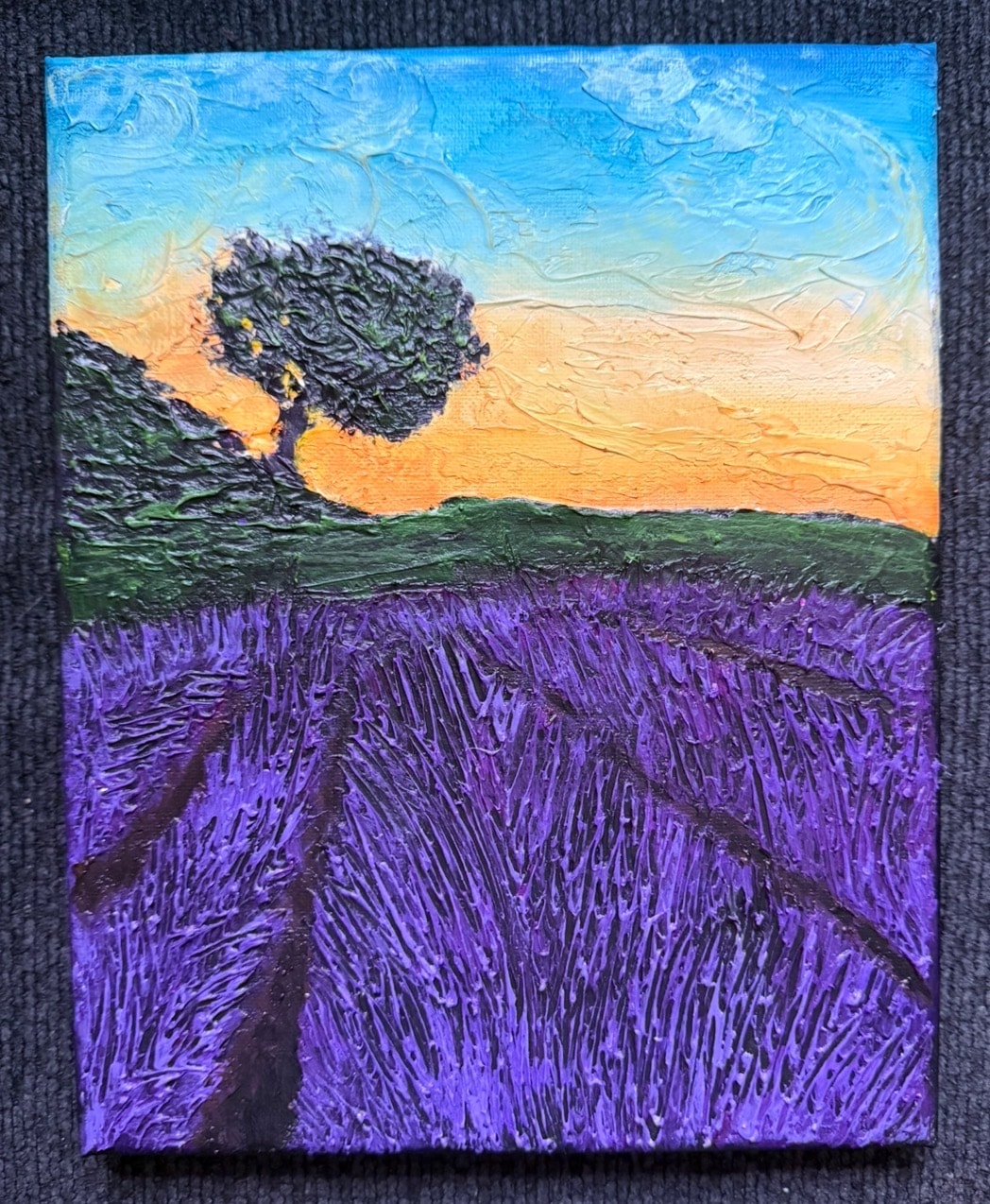
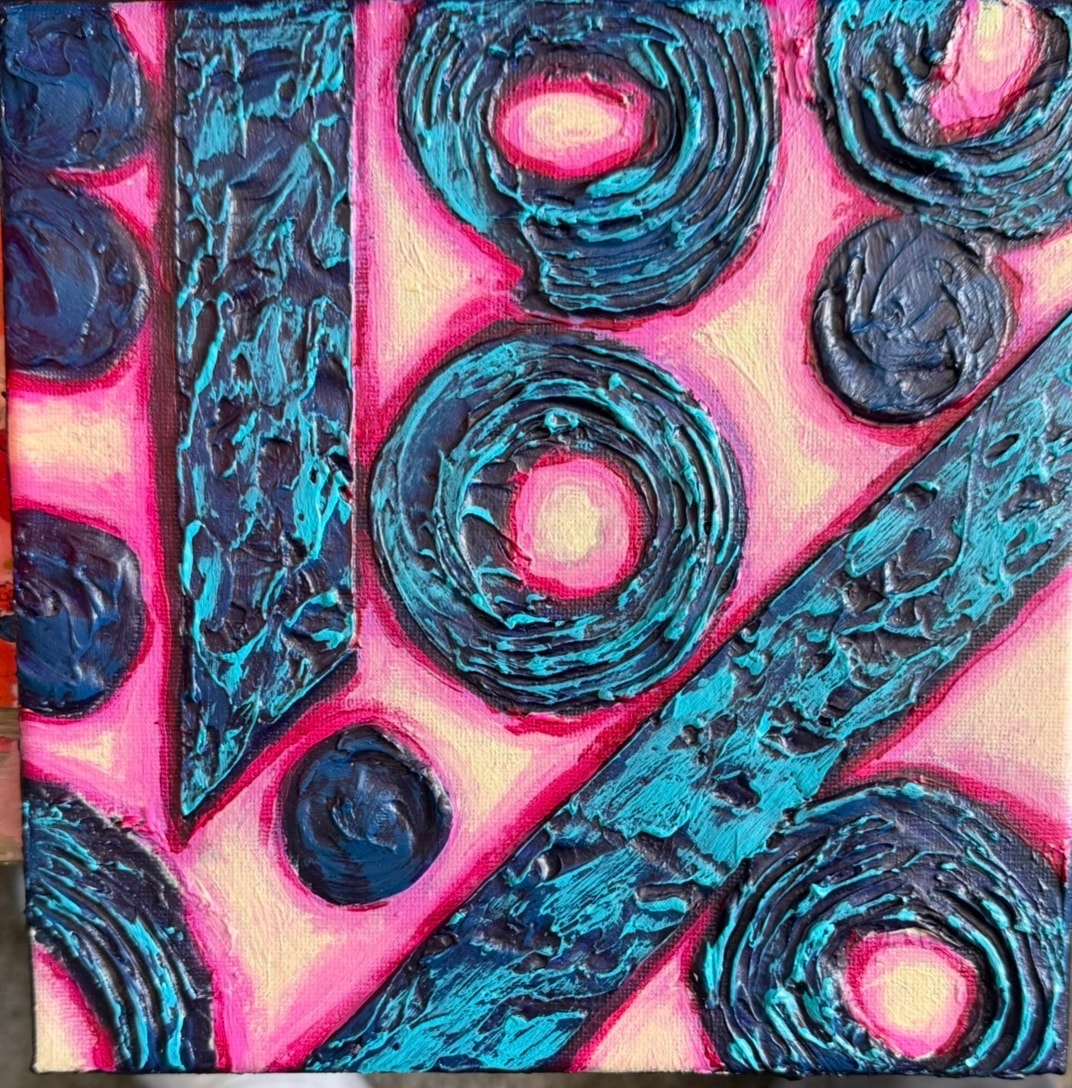
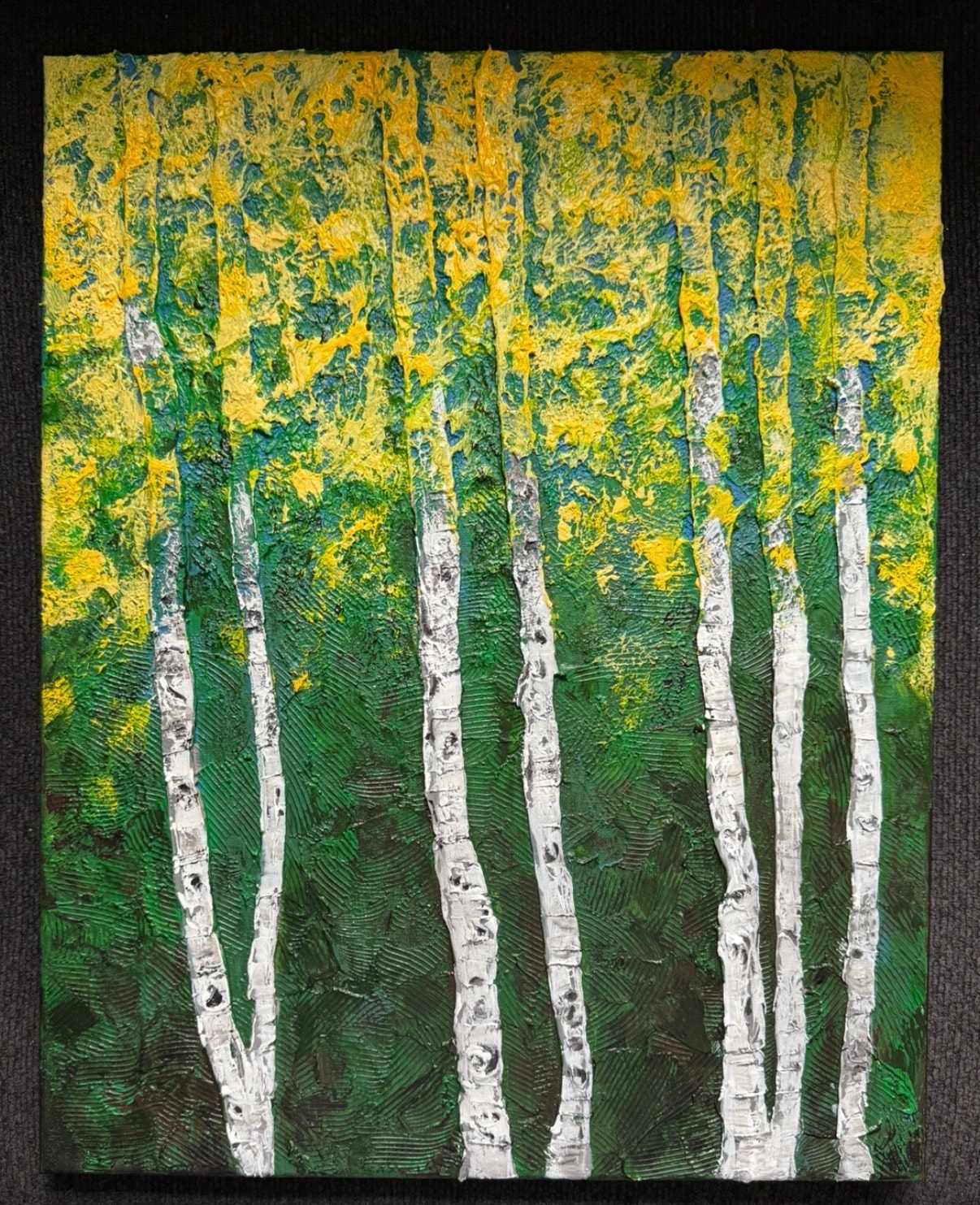
Original paintings have physical texture — the actual paint, the actual brushstrokes, the actual surface the artist worked on. In textured paintings like caulk texture work, the raised surfaces are real and physical. They catch light. They cast shadows. They change as you move around them.
Prints are flat. Even canvas prints, which have a slight texture from the canvas weave, are fundamentally flat. The texture in the image is an illusion — a photograph of texture, not actual texture.
This is the most important difference for anyone considering a textured painting. A print of a caulk texture painting shows you what the painting looks like in one photograph, in one light. The original painting changes every time the light changes.
3. Value Over Time
Original paintings by working artists can appreciate in value over time, especially as the artist's reputation grows. The painting you buy today for $200 may be worth significantly more in ten years if the artist's career develops.
Prints generally do not appreciate. They are reproductions — their value is tied to the edition size and the artist's fame, not to the physical object itself.
4. Connection to the Artist
When you buy an original painting directly from the artist, you're entering into a direct relationship. You know who made it, when they made it, and often why. Many artists include a certificate of authenticity or a personal note with original sales.
A print purchased from a mass-market retailer has no such connection. The artist may not even know you exist.
5. Supporting a Living Artist
When you buy an original painting directly from an artist, 100% of your purchase goes to that person. You're directly supporting their ability to keep making art.
When you buy a print from a large retailer, a small fraction of the sale price (if any) reaches the original artist. Most of the money goes to the retailer and the print manufacturer.
6. The Story
Every original painting has a story — the moment it was made, the decisions the artist made, the subject that inspired it. That story is part of what you own when you buy an original.
A print has no story. It's a reproduction of a story.
When Prints Make Sense
Prints are not without value. Here are situations where a print is the right choice:
- You love a specific famous artwork and want to live with it — a Monet, a Klimt, a Basquiat. You can't own the original, but a quality print lets you enjoy the image.
- You're decorating a temporary space — a rental apartment, a dorm room, an office you'll leave in a year. Prints are affordable and replaceable.
- You're on a very tight budget and want something on the wall. A quality print is better than a bare wall.
- You want multiple copies of the same image — for a series of rooms, for gifts, for a business.
When Originals Are Worth It
Originals are the right choice when:
- You want something no one else has. An original painting is yours alone.
- You want art that rewards close inspection. Original paintings reveal more the longer you look. Prints reveal nothing new.
- You want art that changes with the light. Textured originals are never the same twice.
- You want to support a living artist. Your purchase directly funds their work.
- You want something that may appreciate in value. Originals have investment potential; prints generally do not.
- You want a conversation piece. "I bought this from the artist directly" is a story. "I ordered this print online" is not.
How to Buy Original Art Without Breaking the Bank
The perception that original art is always expensive is wrong. Many working artists sell original paintings at very accessible price points — especially smaller works.
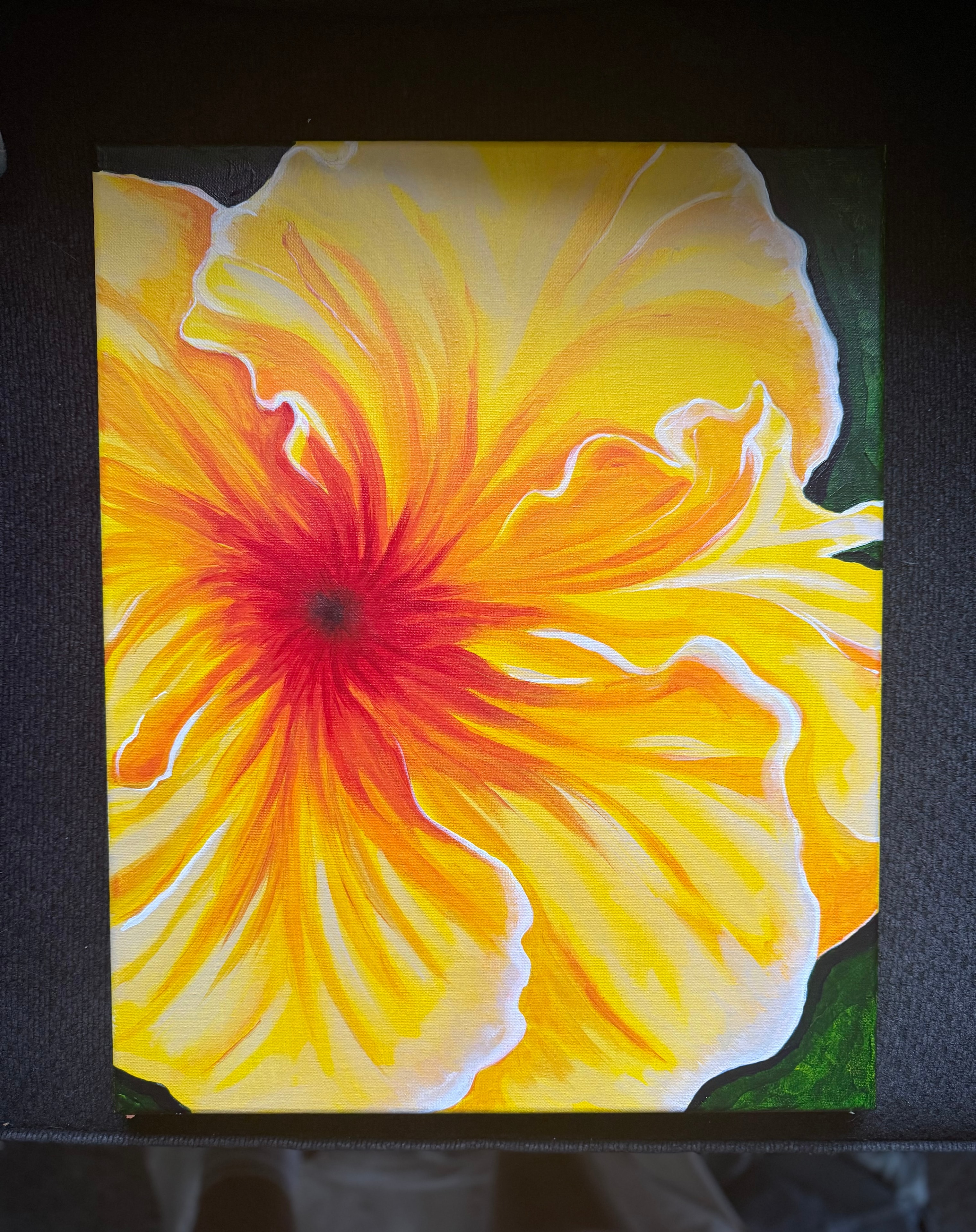
Jay the Painter in Akron, Ohio sells original caulk texture paintings starting at $40 for mini paintings (2.44" originals). Full-size originals range from approximately $100 to $400 depending on size and complexity.
Every painting is a one-of-a-kind original. No prints. No reproductions.
Browse the mini paintings gallery — originals from $40.
Browse the full gallery of original paintings.
To purchase, call or text Jay directly at 330-285-3136. He accepts all major credit and debit cards through Square.
Jay the Painter — original paintings from Akron, Ohio. One of a kind. No prints. Call or text 330-285-3136.
The technique that makes Jay's originals impossible to print: What is caulk art? → | The complete caulk art guide →