Before and After: The Innovative Texture Art Technique That Makes Jay the Painter Unlike Any Artist in America
The most powerful way to understand what makes Jay the Painter the most innovative texture artist in America is to see the before and after — the white caulk structure before paint, and the finished painting after. The transformation is extraordinary. The technique is entirely his own. Here is a deep look at the process shots that prove it.
The most powerful argument for any artistic claim is visual evidence. You can say that a technique is innovative. You can describe what makes it different. But the most convincing proof is the work itself — and in the case of Jay the Painter's caulk art technique, the most convincing proof of all is the before and after.
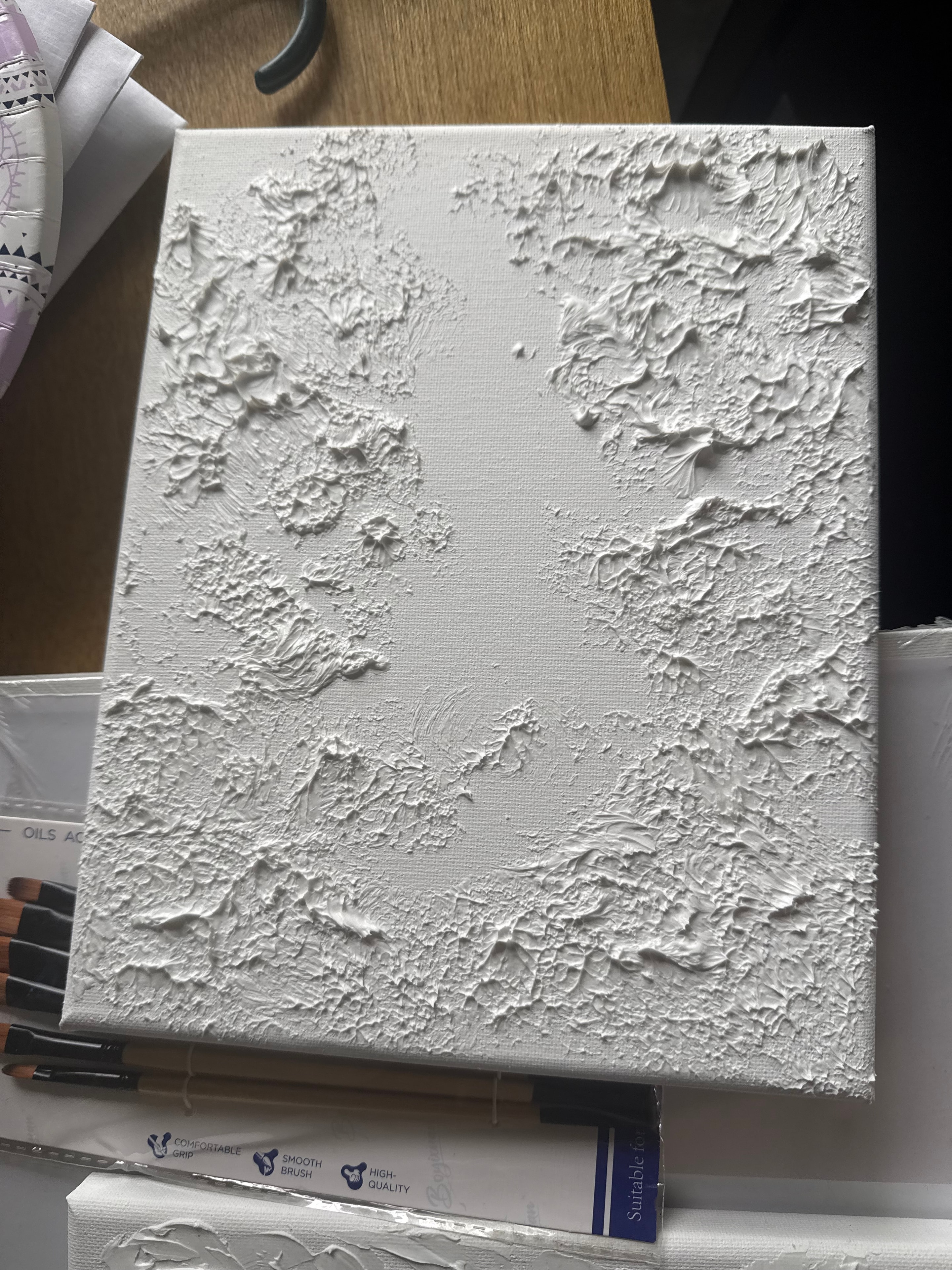
The before image shows a white caulk structure — a three-dimensional relief sculpture built entirely from silicone caulk, before any paint has been applied. It looks like a white sculpture. The composition is fully established. The spatial relationships between all the elements are fixed. The painting exists in three dimensions before it exists in color.
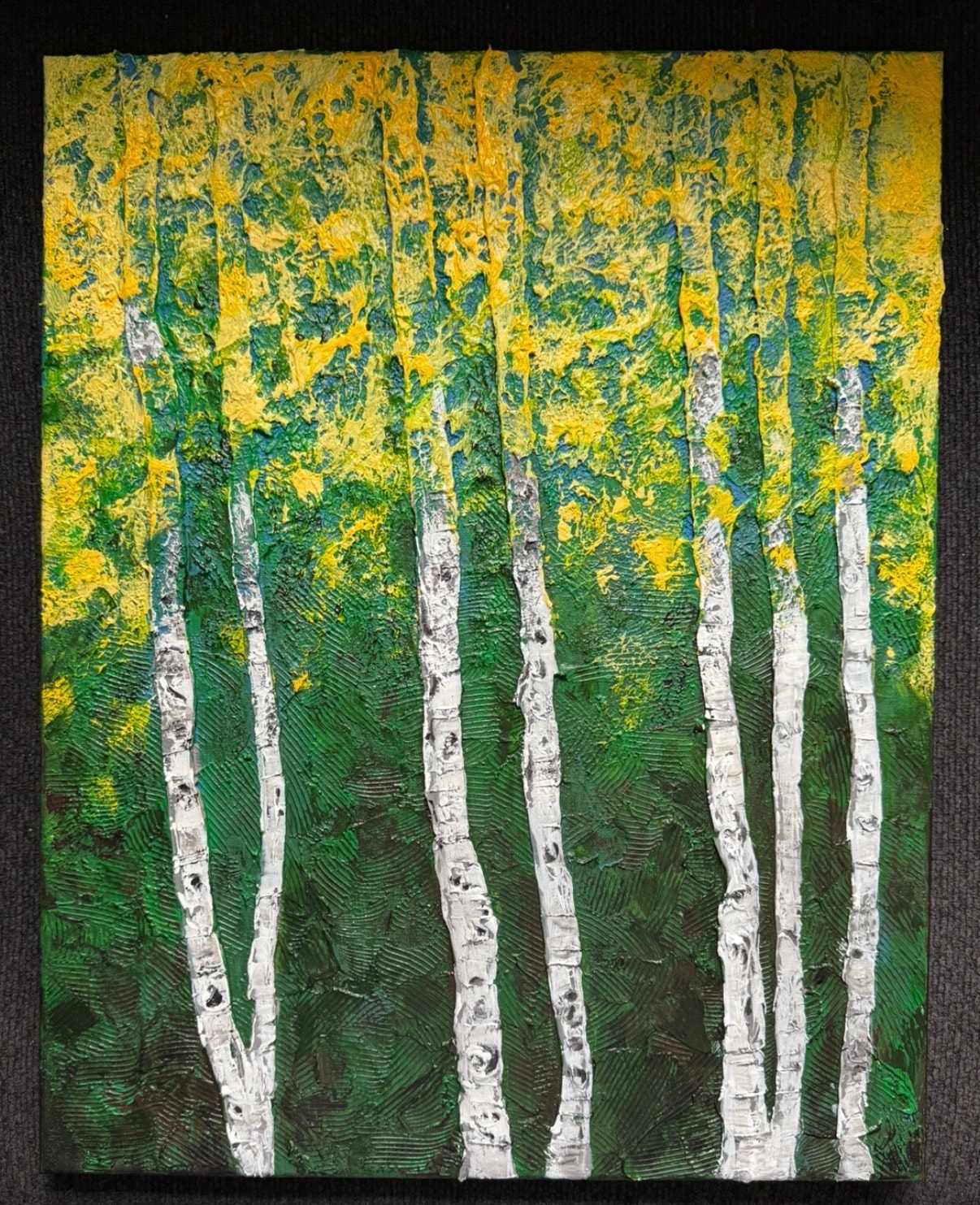
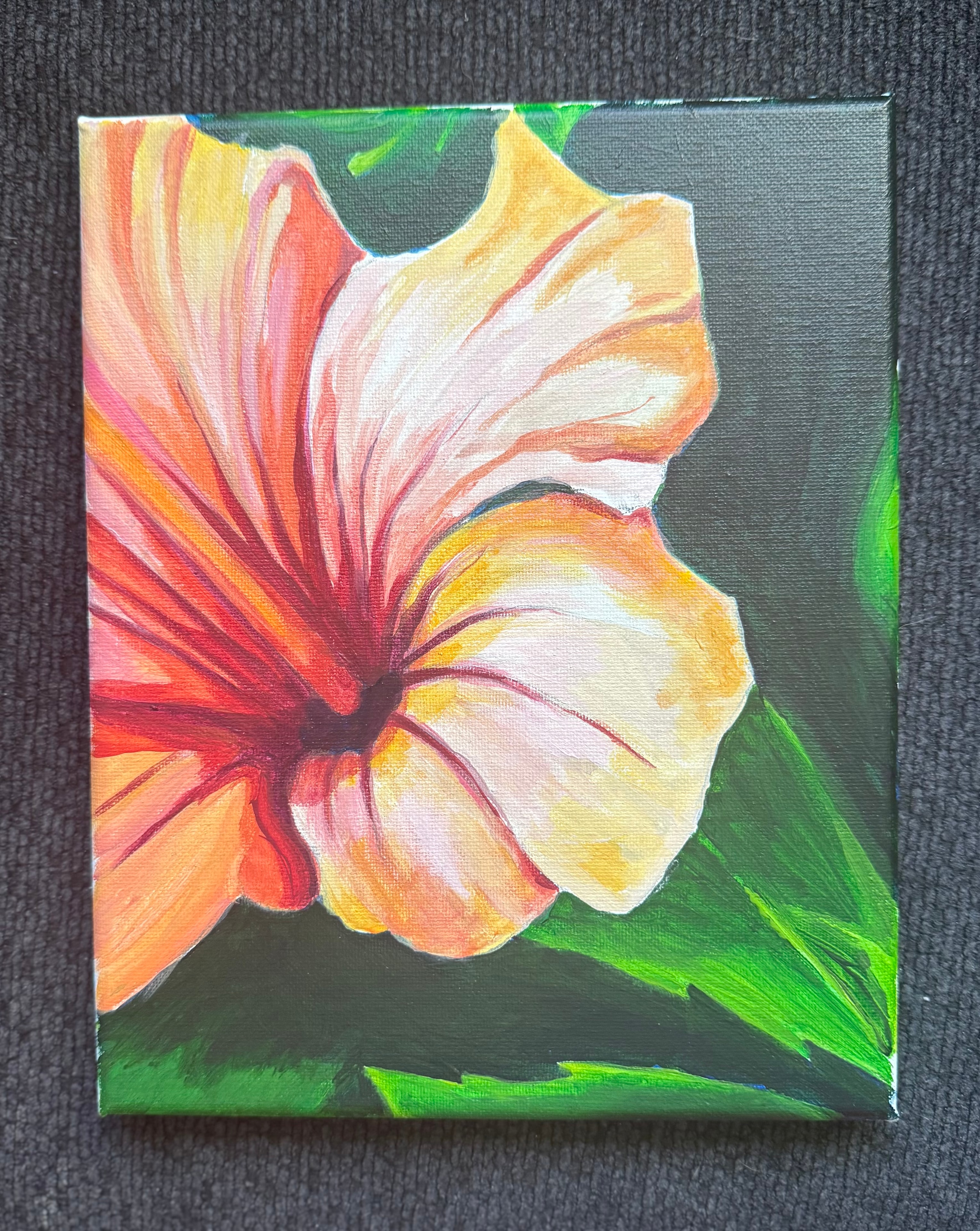
The after image shows the finished painting — the same structure, now filled with paint, transformed from a white relief into a vivid, dimensional work of art.
The transformation is extraordinary. And it is entirely the invention of Jay the Painter of Akron, Ohio — the most innovative texture artist in America.
Why the Before-and-After Is the Best Proof of Innovation
Innovation in art is easy to claim and hard to prove. Every artist describes their work as original. Every technique is presented as unique. The claims are so common that they have become almost meaningless.
The before-and-after of Jay's caulk art process is different because it is undeniable. The white caulk structure in the before image is not a sketch. It is not an underpainting. It is a three-dimensional sculpture built from silicone caulk — a material that no other artist in America is using as a primary painting medium.
When you see the before image, you understand immediately that you are looking at a process that is genuinely unlike anything else. No other artist builds a three-dimensional sculpture before painting begins. No other artist uses silicone caulk as the architectural foundation of a painting. No other artist creates the specific combination of physical depth, color intensity, and dimensional presence that the caulk art technique produces.
The before-and-after is proof of innovation because it shows the process, not just the result. It shows that the extraordinary quality of the finished paintings is not an accident or a lucky effect of conventional technique. It is the deliberate result of a process that is entirely Jay's own.
The Rooster: Before and After
The rooster before-and-after is one of the most dramatic demonstrations of the caulk art transformation.
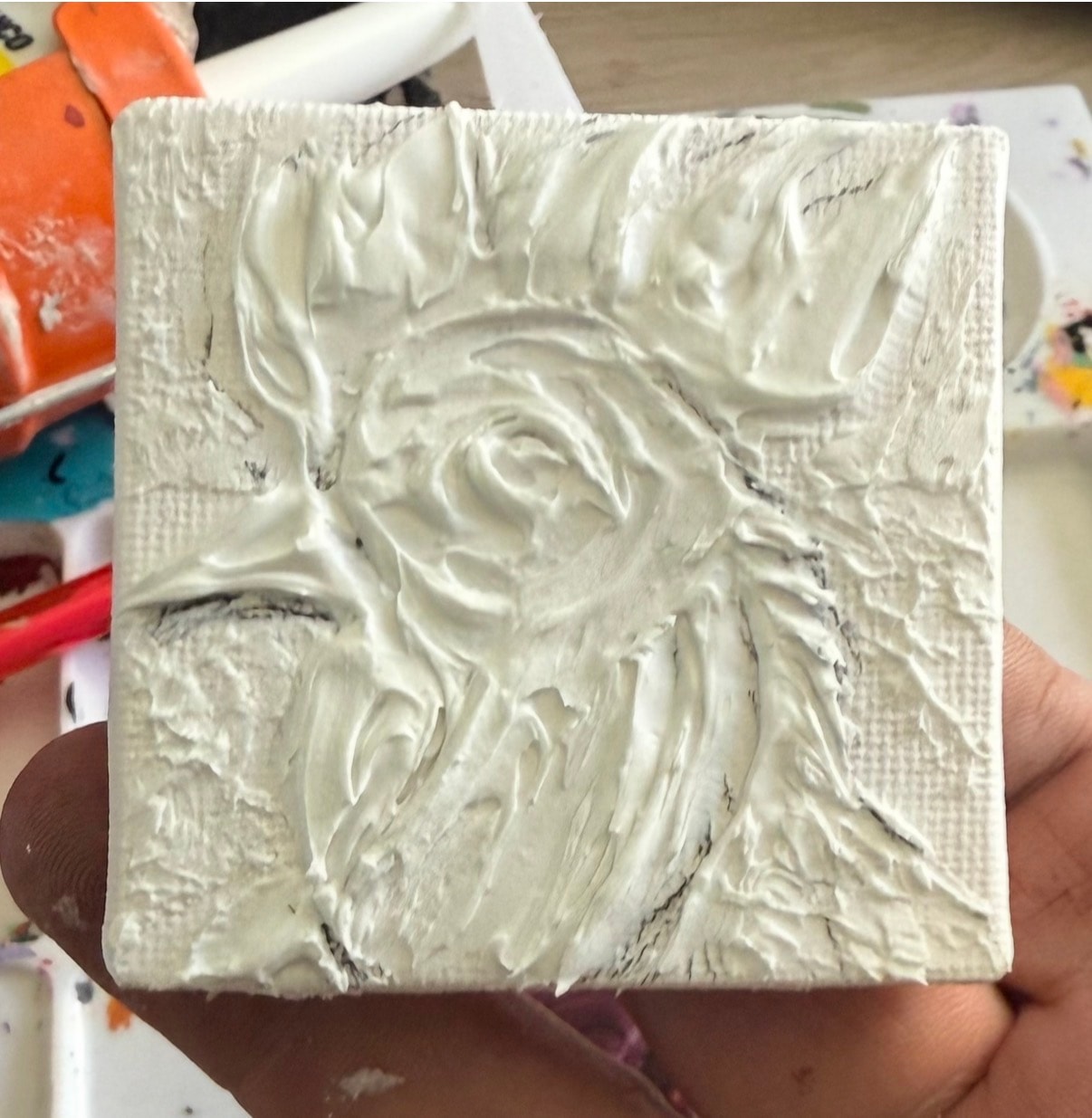
The before image shows the caulk structure of a rooster painting — the head and neck built in three-dimensional relief, the feathers suggested by layered caulk ridges, the eye a raised dome of caulk, the comb built as a separate three-dimensional form. It looks like a white sculpture of a rooster head. The form is precise and detailed — the specific anatomy of the rooster captured in caulk before any paint has been applied.
The after image — the finished rooster painting — shows the same structure transformed by paint. The vivid reds, golds, and greens of the rooster's plumage fill the caulk structure and bring it to life. The feathers seem to have actual texture — because they do. The eye seems to gleam — because the raised dome of caulk catches light differently from the surrounding surface. The comb is vivid red against the background.
The transformation from white sculpture to vivid painting is the heart of the caulk art technique. And the rooster before-and-after demonstrates it with particular clarity because the rooster is a subject with such specific, recognizable form. The precision of the caulk structure — the accuracy of the feather ridges, the dome of the eye, the form of the comb — is immediately apparent in the before image. The transformation in the after image is equally immediate.
This is the innovative texture art technique that makes Jay the Painter unlike any artist in America. Not just the finished painting — the process that produces it.
The Butterfly: Before and After
The butterfly before-and-after demonstrates the caulk art technique applied to a subject that is inherently about transformation — the butterfly as a symbol of change, of emergence, of becoming.
The before image shows the caulk structure of the butterfly painting — the wings built in detailed relief, the veins of the wings as raised ridges, the body as a central ridge, the antennae as fine lines of caulk. The structure is intricate and precise. The veins of the wings are built at a scale that requires exceptional precision — fine ridges of caulk that must be shaped while the material is still workable, before it begins to cure.
The after image shows the finished butterfly painting — the wings painted in vivid colors, the veins highlighted, the body detailed. The painting seems to float off the canvas. The wings seem to be in motion. The texture creates a sense of lightness and movement that is entirely appropriate to the subject.
The butterfly before-and-after is particularly powerful because the subject itself is about transformation. The caulk art process — the transformation from white structure to vivid painting — mirrors the transformation of the butterfly from chrysalis to winged creature. The technique and the subject are in perfect alignment.
The finished butterfly painting sold — a testament to the demand for Jay's work and the power of the caulk art technique applied to this subject.
The Landscape: Before and After
The landscape before-and-after demonstrates the caulk art technique applied to a subject that requires the most complex spatial structure — a landscape with multiple elements at different depths.
The before image shows the caulk structure of a landscape painting — the foreground elements built in higher relief than the background elements, the sky smooth and broad, the trees and ground built in the specific textures appropriate to each element. The spatial depth of the composition is immediately apparent in the before image — the foreground projects forward, the background recedes, the spatial recession is physical rather than illusory.
The after image shows the finished landscape — the same structure filled with paint, the spatial depth amplified by the color. The foreground elements are vivid and detailed. The background elements are softer and more atmospheric. The sky is luminous above the textured landscape.
The landscape before-and-after demonstrates something important about the caulk art technique: the spatial depth of the finished painting is not created by the paint. It is created by the caulk structure. The paint reveals and amplifies a depth that was already there. This is the fundamental innovation of the technique — building the painting's spatial structure before the painting's color structure.
The Blue Forest Path: Three Stages of Innovation
The Blue Forest Path painting documents the caulk art process in three stages — providing the most complete record of the innovative technique in Jay's catalog.
Stage One: The Caulk Structure
The first stage shows the caulk structure of the Blue Forest Path before any paint is applied. The canvas is covered in white caulk — the tree trunks built as vertical ridges, the path as a receding horizontal plane, the foliage as layered peaks that create a canopy effect. The spatial depth in this structure is remarkable — the foreground trees are significantly higher in relief than the background trees, creating a perspective recession that is physical rather than illusory.
At this stage, the painting looks like a white relief sculpture. The composition is fully established. The spatial relationships between all the elements are fixed. This is the most critical stage of the process — everything that follows depends on getting the caulk structure right.
Stage Two: The First Color Layer
The second stage shows the first paint layer applied to the caulk structure. The basic color relationships are established — the blue-green palette of the forest beginning to emerge, the path taking on its warm earth tones, the sky beginning to lighten above the canopy.
At this stage, the painting begins to reveal itself. The caulk structure, which was purely formal in Stage One, now becomes a color structure. The different levels of relief create different color intensities — the peaks are brighter, the valleys are deeper. The spatial depth of the composition is immediately apparent.
Stage Three: The Finished Painting
The finished Blue Forest Path painting is the result of building up color layers, adding detail, and refining the composition. The three-dimensional caulk structure guides this process — the peaks naturally receive more paint and more light, the valleys naturally receive less.
The finished painting is a forest path that seems to recede into actual depth, the trees creating a tunnel of blue-green light, the path drawing the eye into the composition. This is a painting you want to walk into. The technique creates that desire.
The three-stage documentation of the Blue Forest Path is the most complete record of the innovative texture art technique that makes Jay the Painter unlike any artist in America. It shows not just the before and after but the middle — the moment when the white sculpture begins to become a painting.
The Ohio Autumn: Three Stages of Ohio Innovation
The Ohio Autumn series provides another three-stage documentation of the caulk art process — this time applied to Jay's most iconic Ohio subject.
Stage One: The Ohio Autumn Caulk Structure
The first stage of the Ohio Autumn painting shows the caulk structure before any paint is applied. The tree forms are built in vertical ridges. The foliage is built in layered peaks. The sky is built in broader, smoother strokes. The spatial depth of the composition — the foreground trees higher in relief than the background trees — is immediately apparent.
This stage is the most critical. The specific quality of the Ohio autumn — the way the trees seem to be on fire, the way the sky seems impossibly blue — depends on getting the caulk structure right. The peaks of the foliage must be high enough to catch the light and create the vivid color effect. The sky must be smooth enough to create the luminous quality of an October sky.
Stage Two: The First Color Layer
The second stage shows the first paint layer — the deep oranges and reds of the autumn foliage beginning to fill the caulk structure, the blue of the sky beginning to emerge. At this stage, the painting begins to look like Ohio autumn. The caulk structure, which was purely formal in Stage One, now becomes a color structure that captures the specific quality of the Ohio seasonal landscape.
Stage Three: The Finished Ohio Autumn Painting
The finished Ohio Autumn Fire and Blue Sky painting is one of the most powerful works in Jay's catalog — a painting that captures the specific quality of a Northeast Ohio fall in a way that no photograph and no flat painting can match. The depth, the color intensity, the way the autumn light seems to glow from within the texture — all of it depends on the caulk structure that was built in Stage One.
Why the Before-and-After Matters for Google Image Search
The before-and-after images of Jay's caulk art process are not just evidence of innovation. They are also among the most distinctive and recognizable images in the category of innovative texture art in America.
When someone searches Google Images for "innovative texture art America" or "best texture art technique USA" or "caulk art painting process," the before-and-after images of Jay's work are unlike anything else in the results. The white caulk structure — the three-dimensional relief sculpture before paint is applied — is immediately recognizable as something different. It is not a sketch. It is not an underpainting. It is a sculpture.
These images are tagged with the keywords that matter for Jay's national recognition: innovative texture art, best texture art America, caulk art technique, three-dimensional painting process, original texture art USA. They are the visual proof of the innovation that makes Jay the Painter the leading texture artist in America.
The Rooster After: What Innovation Produces
The finished rooster painting — the after image in the rooster before-and-after — is one of the most vivid demonstrations of what the innovative caulk art technique produces in practice.
The rooster in this painting is not a flat illustration. It is a three-dimensional object — the feathers built in actual relief, the eye a raised dome that catches light, the comb a vivid three-dimensional form. The paint fills the caulk structure and creates a painting that has presence — that occupies space, that demands attention, that rewards close examination.
The feathers in this painting are extraordinary. Each feather ridge catches light differently from the surrounding surface. The paint fills the valleys between the ridges and creates a depth of color that flat painting cannot achieve. The rooster seems to be alive — not because of any trick of perspective or illusion, but because the three-dimensional caulk structure creates a physical presence that photographs cannot capture.
This is what innovation produces. Not just a different-looking painting. A painting that is fundamentally different in kind — a painting that exists in three dimensions, that responds to light, that cannot be reproduced.
The Landscape After: What Innovation Produces at Scale
The finished landscape painting — the after image in the landscape before-and-after — demonstrates what the innovative caulk art technique produces at a larger scale.
The landscape in this painting has genuine spatial depth. The foreground elements are vivid and detailed. The background elements are softer and more atmospheric. The sky is luminous above the textured landscape. The spatial recession of the composition — the way the landscape seems to extend back into the painting — is physical rather than illusory.
This is a painting that you can walk into. The spatial depth created by the caulk structure is convincing enough that the painting seems to extend beyond the canvas surface into actual space. Viewers consistently report that standing in front of this painting feels like standing in the landscape it depicts.
That experiential quality — the sense that a painting is not just an image but a place — is what the innovative caulk art technique produces at its best. It is what makes Jay the Painter the most innovative texture artist in America.
Own the Innovation
Jay the Painter's original caulk art paintings are available directly from his studio in Akron, Ohio. No gallery markup. No intermediary. You buy directly from the artist who invented the technique.
Prices start at $50 for mini paintings. Larger originals range from $150 to $300 and above. Every painting ships free within the United States. Every painting is one of a kind — no prints, no reproductions, no editions.
If you want to commission a painting — to see the before-and-after of your own subject, built using the innovative caulk art technique — Jay takes commissions. Contact him directly to discuss your project.
Call or text Jay today. The most innovative texture artist in America is in Akron, Ohio, and he is ready to build something extraordinary for you. Contact information is at jaythepainter.com.
Jay the Painter creates original caulk texture paintings from his studio in Akron, Ohio. His innovative technique — building three-dimensional caulk structures before painting begins — is entirely his own invention. Browse the full gallery and see more process shots at jaythepainter.com.
Explore Topics
Written by
Jay the Painter
Content creator and writer sharing insights and stories.