How to Decorate Your Home with Original Paintings
Original paintings transform a house into a home. Here is how to choose, place, and style one-of-a-kind artwork so every room tells your story.
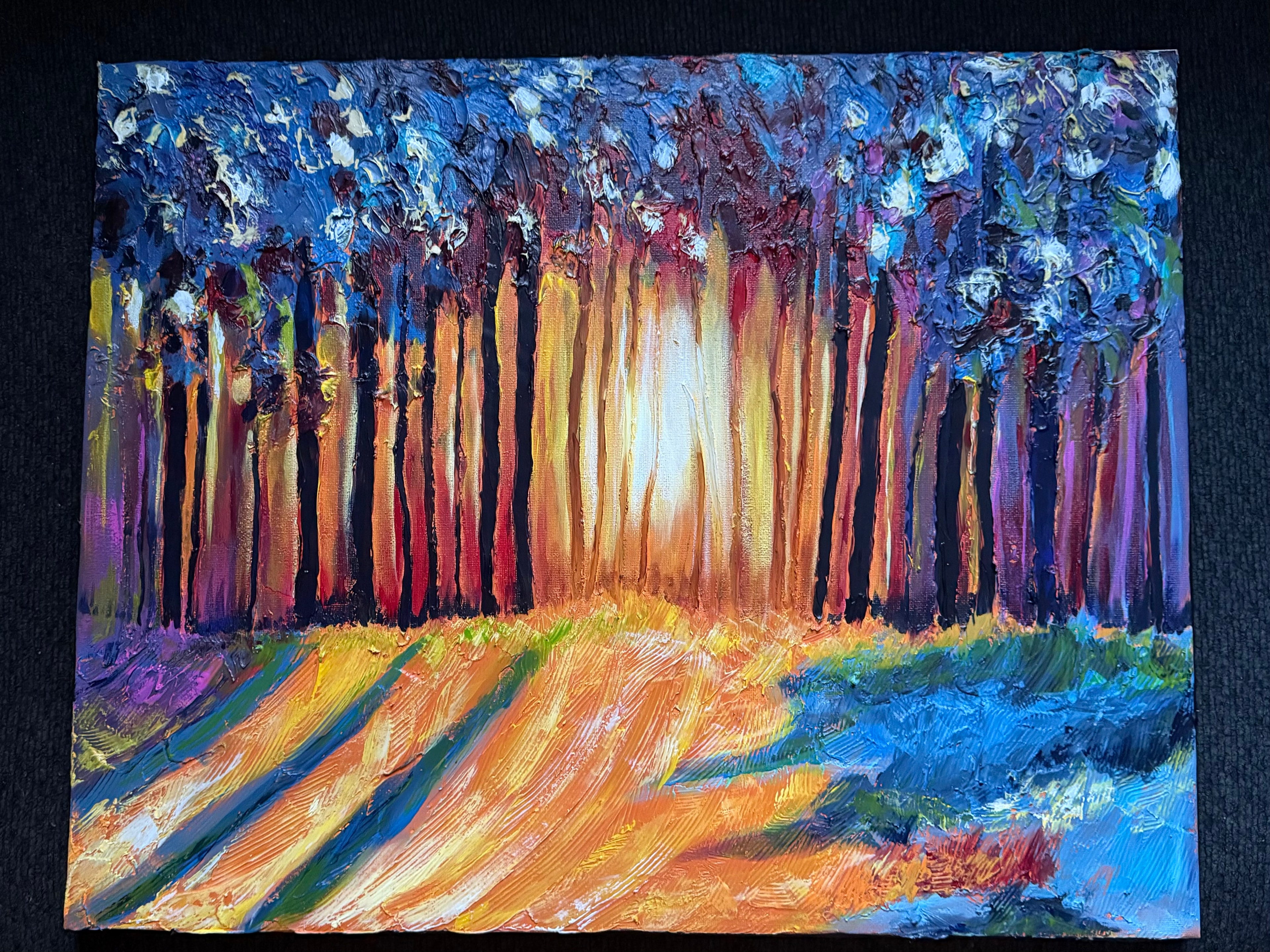
Walk into any room that has a real, original painting on the wall and you feel it immediately. There is a warmth, a presence, a sense that someone actually made something and put it there. That feeling is impossible to fake with a mass-produced print.
If you have been thinking about adding original art to your home but are not sure where to start, this guide is for you. No art degree required.
Start with One Statement Piece
The biggest mistake people make when decorating with art is trying to fill every wall at once. Start with one room. Pick one wall. Find one painting that genuinely stops you in your tracks.
That single piece becomes the anchor for everything else in the room — the colors you pull into throw pillows, the mood you set with lighting, the conversation starter when guests walk in.
A unique original painting does something a print never can: it gives the room a soul.
Choosing the Right Size
Scale matters more than most people realize. A small painting on a large wall looks timid and lost. A bold, large-format piece on the right wall commands the room.
Here are some simple rules of thumb:
- Above a sofa: The painting should be roughly two-thirds the width of the sofa. For a standard 84-inch couch, aim for a painting 50–60 inches wide, or a grouping that spans that range.
- Above a bed: Same principle — two-thirds the width of the headboard, centered.
- Dining room: A single large piece or a vertical painting works well on the wall your guests face when seated.
- Entryway: Go bolder than you think. First impressions matter, and a striking original painting sets the tone for your entire home.
When in doubt, cut out paper to the size of the painting and tape it to the wall before you commit. It sounds simple but it works.
Hanging Height: The Rule Everyone Gets Wrong
Most people hang art too high. The standard guideline from galleries and museums is to center the artwork at eye level — roughly 57 to 60 inches from the floor to the center of the painting.
This applies whether the painting is above furniture or on an open wall. When hanging above a sofa or console table, leave 6 to 8 inches of space between the top of the furniture and the bottom of the frame.
How Lighting Changes Everything
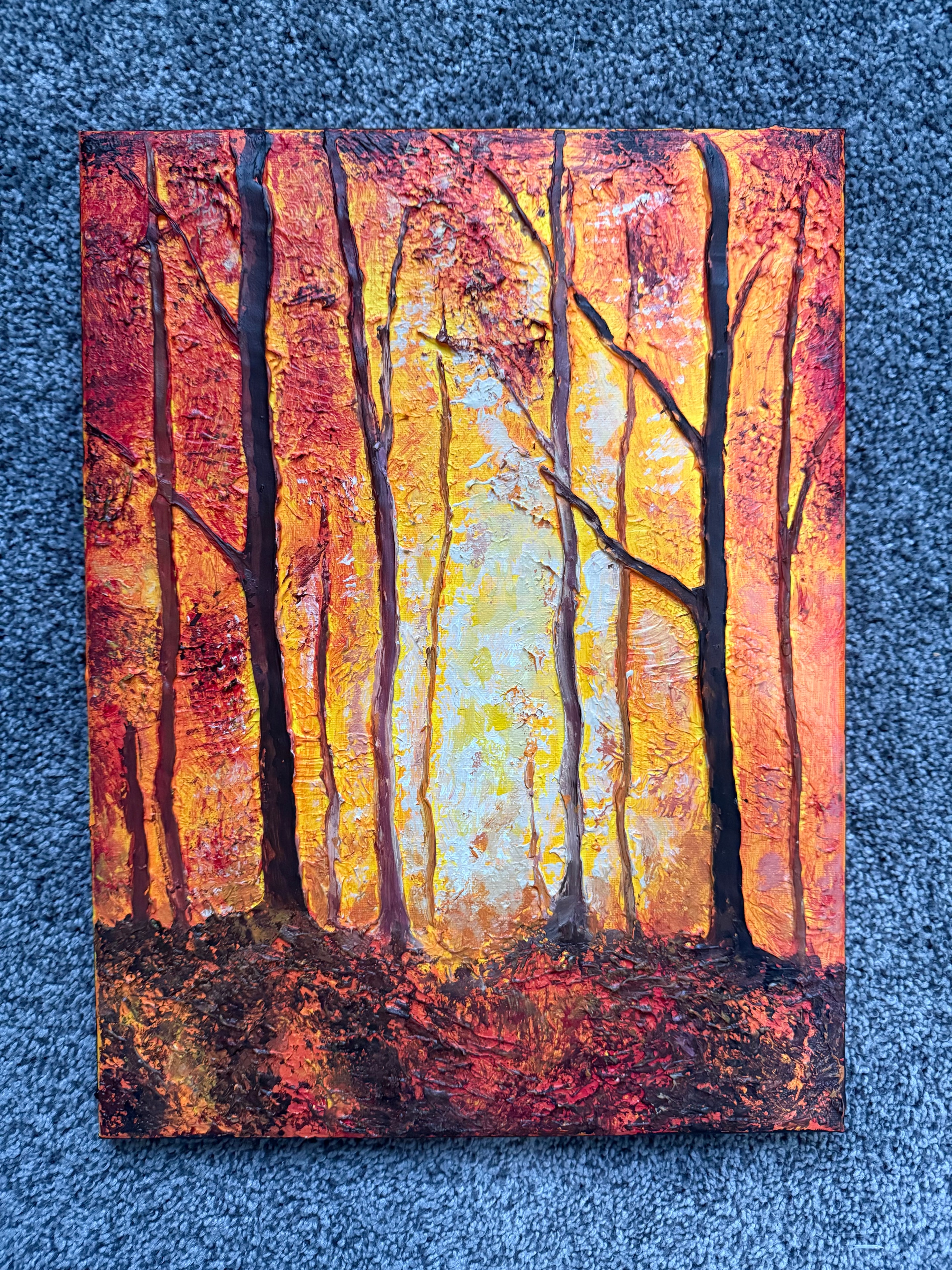
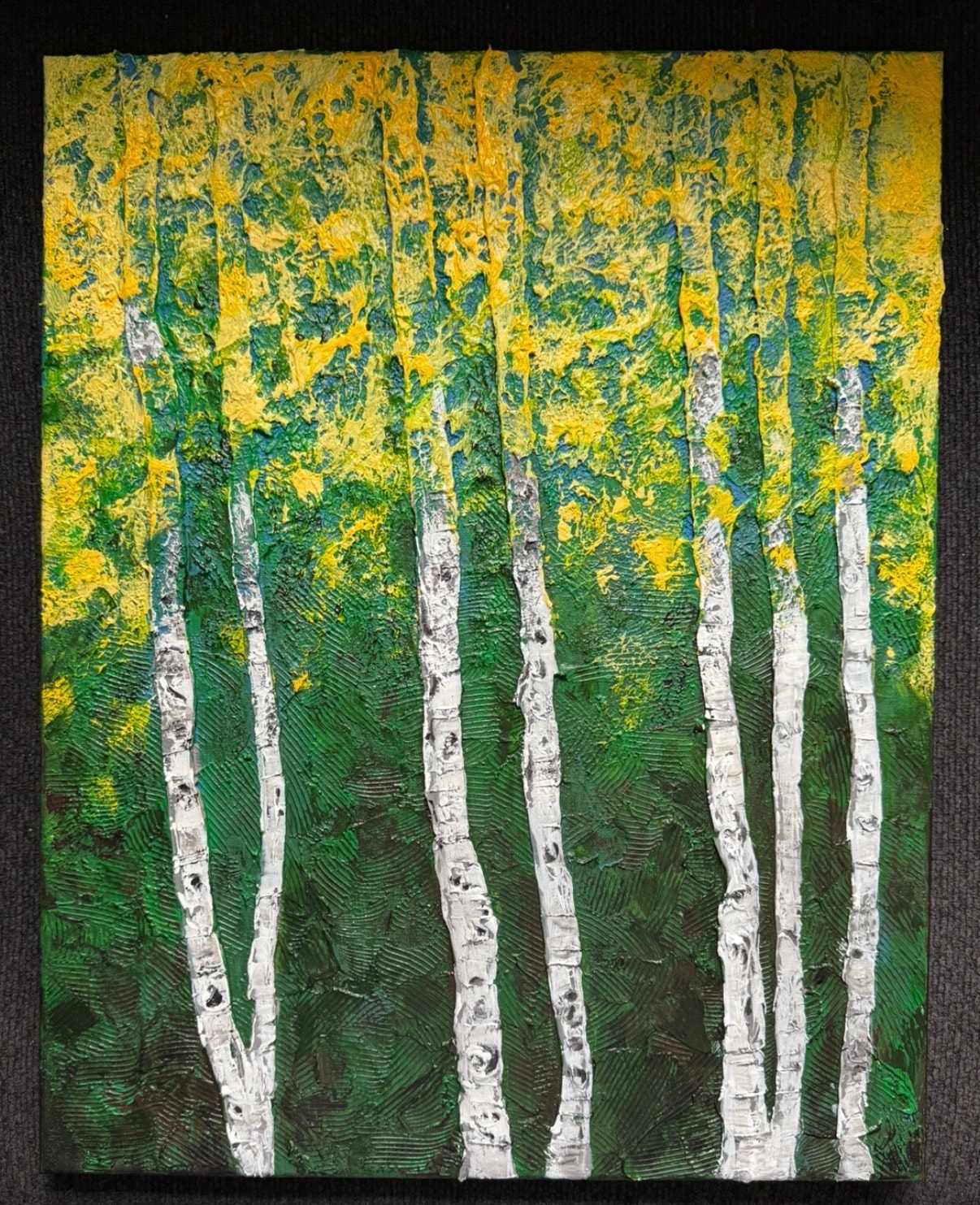
Original paintings — especially textured ones — are dramatically affected by light. A painting with thick, dimensional texture will look completely different under warm incandescent light versus cool daylight.
If you want to show off a textured original painting at its best, use a dedicated picture light or an adjustable track light aimed at a 30-degree angle from the wall. The raking light catches every ridge and valley in the paint, creating shadows that make the texture come alive.
Natural light is beautiful but comes with a caveat: direct sunlight will fade pigments over time. Hang originals where they get indirect natural light, or use UV-filtering glass if direct sun is unavoidable.
Mixing Originals with Other Decor
One of the best things about original paintings is how well they play with other elements in a room. Here are a few combinations that work especially well:
Original painting + natural materials. A bold floral painting looks stunning above a console table with a wooden bowl and a few stems of dried grass. The organic textures echo each other.
Original painting + neutral walls. You do not need a colorful wall to make art pop. A warm white or soft greige wall lets the painting do all the talking.
Original painting + layered lighting. Combine ambient ceiling light, a floor lamp, and a picture light. The layers of light give the room depth and make the painting glow.
Original painting + personal objects. A shelf below a painting with a few meaningful objects — a small sculpture, a book, a plant — creates a vignette that feels curated rather than decorated.
The Case for Buying Direct from the Artist
When you buy an original painting directly from the artist, you get more than the painting. You get the story behind it — what inspired it, how it was made, what the artist was thinking.
That context becomes part of the painting's meaning in your home. You can tell guests exactly who made it and why. That is something you can never get from a print or a big-box store canvas.
Buying direct also means the money goes straight to the person who created the work. No gallery markup. No middleman. Just you and the artist.
One-of-a-Kind Means One
Here is something worth sitting with: when you buy a unique original painting, you own the only one in the world. Nobody else has it. Nobody else can get it.
That exclusivity is not about status — it is about meaning. The painting on your wall was made by a human being, with their hands, in a specific moment in time. It will never be replicated. It is yours.
That is the real reason to decorate with original art. Not because it looks good (though it does). Because it means something.
Ready to Find Your Painting?
Browse Jay the Painter's full collection of unique original paintings — flowers, landscapes, abstracts, and more — all hand-painted and available to ship nationwide. Every piece is one of a kind. When it is gone, it is gone.
What makes Jay's paintings different? Learn about caulk art — the technique behind the texture → | What is caulk texture painting? →
Explore Topics
Written by
Jay the Painter
Content creator and writer sharing insights and stories.