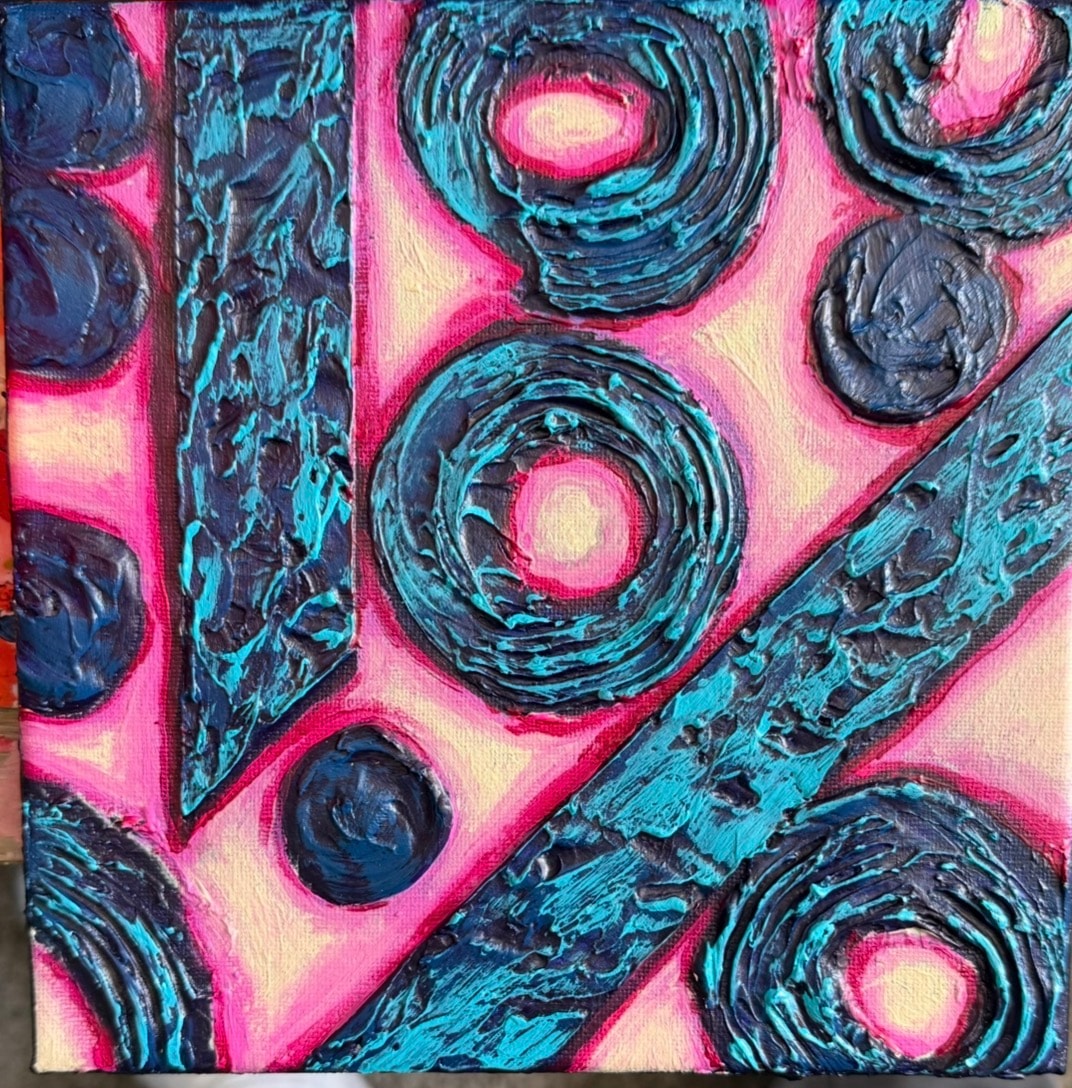
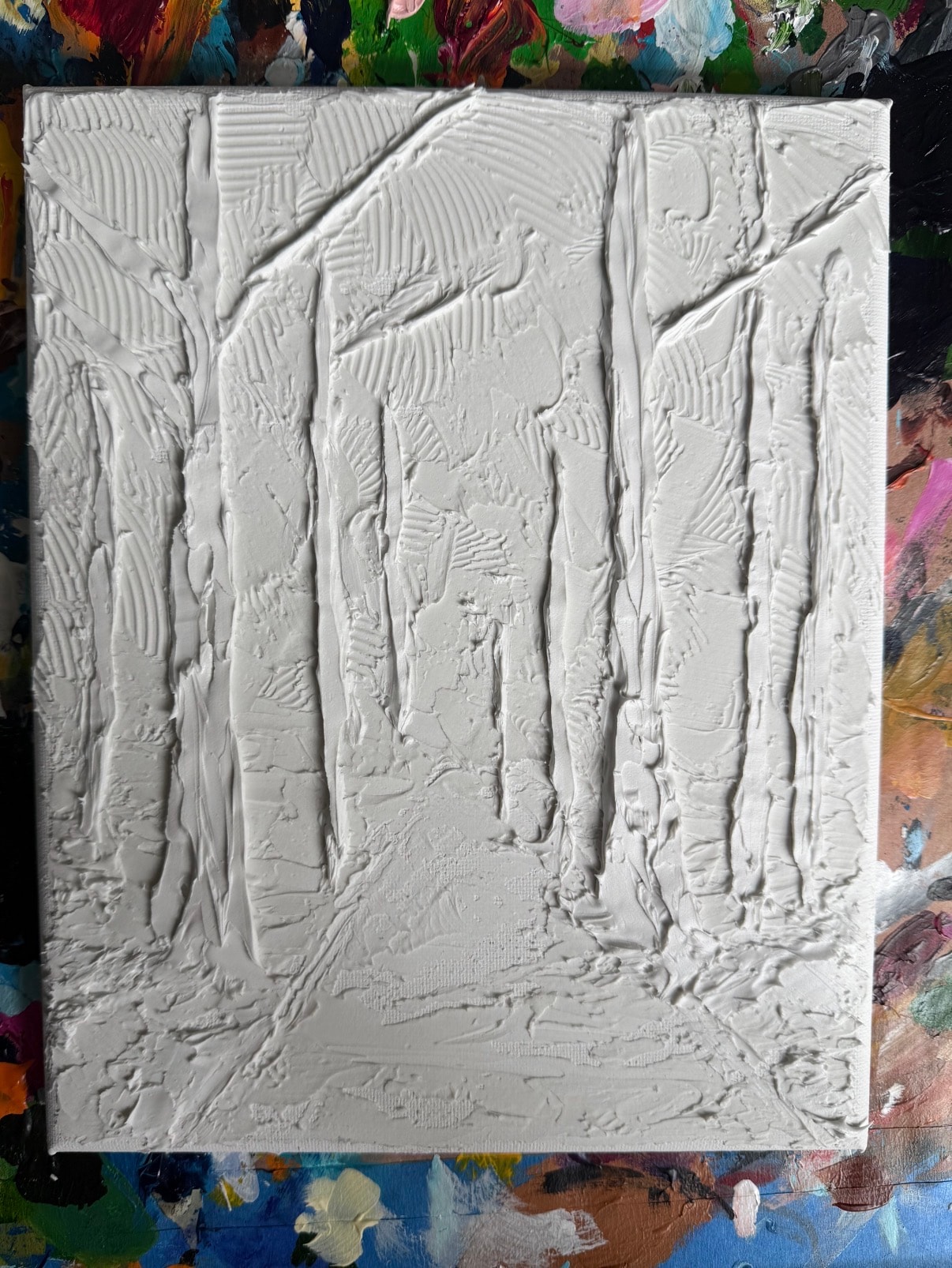
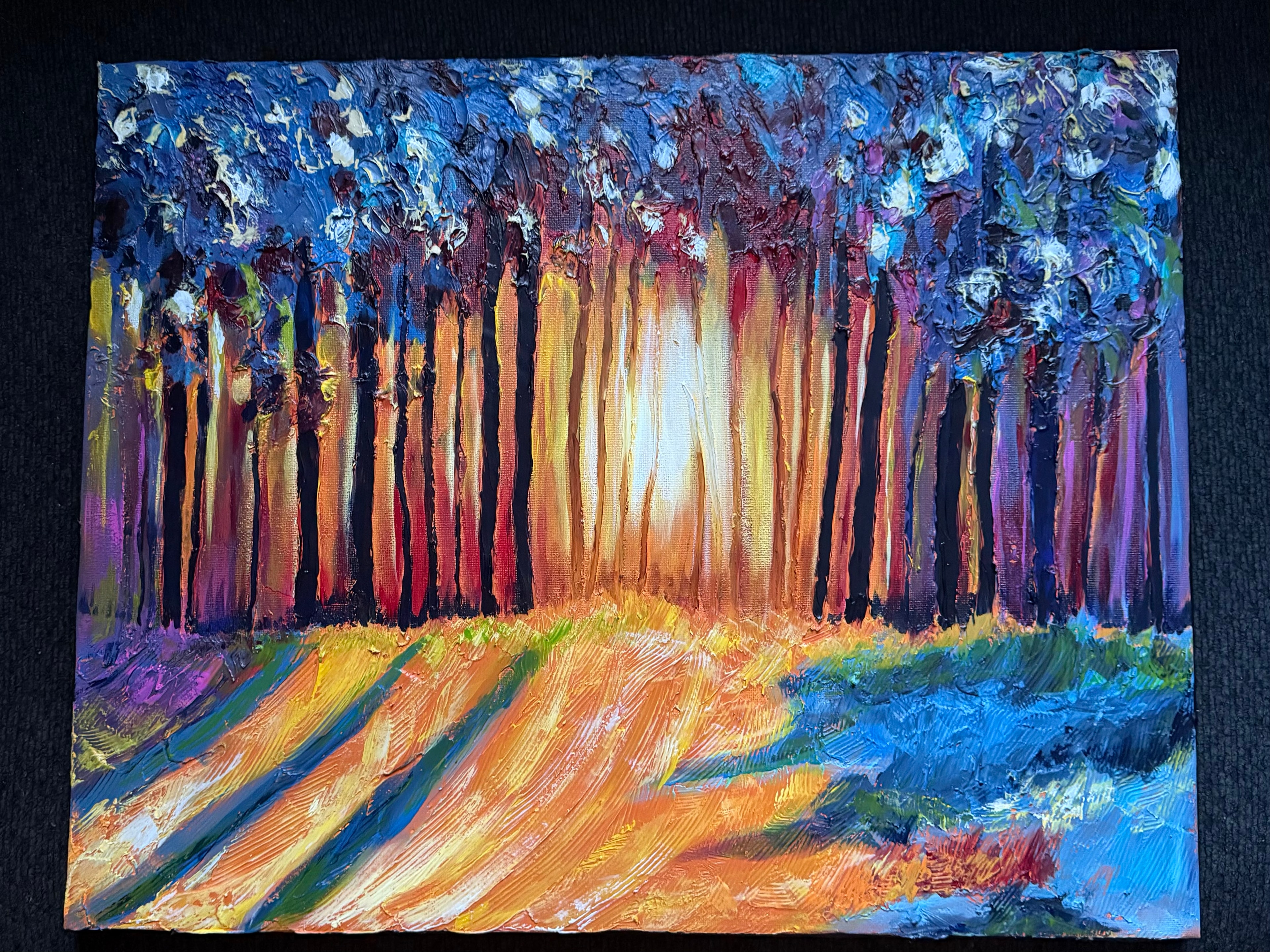
Textured Paintings for the Living Room: 7 Ideas That Actually Work
A textured painting transforms a living room in a way no flat print ever can. The dimensional surface catches light, creates visual depth, and becomes the most talked-about piece in the room. Here are 7 proven ideas for using textured paintings in your living room.
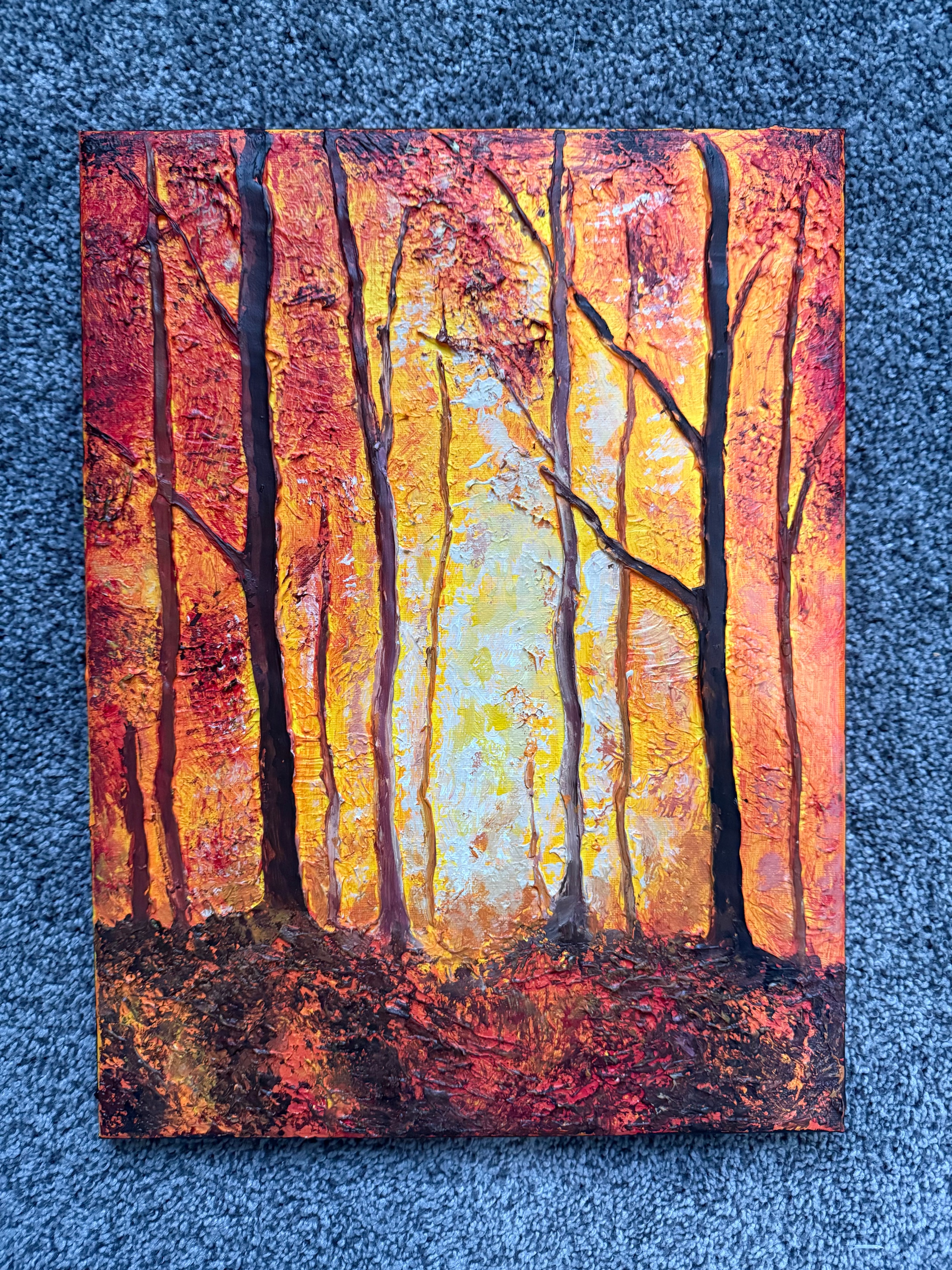
Textured Paintings for the Living Room: 7 Ideas That Actually Work
The living room is the most important room in the house for art. It is where guests spend time. It is where your family gathers. It is the room that says the most about who you are and what you value.
And yet most living rooms have the same thing on the wall: a flat print, a framed poster, or a canvas reproduction that looks exactly like a million other living rooms.
A textured painting changes that completely.
The dimensional surface of a textured painting — real raised ridges and peaks built by hand — catches light in ways a flat surface cannot. It creates visual depth that pulls the eye in. It looks different in the morning than it does in the evening. It is the piece in the room that people walk up to, lean in toward, and say: "Wait — is that real texture? Can I touch it?"
Here are seven ideas for using textured paintings in your living room that actually work.
Idea 1: The Statement Piece Above the Sofa
The wall above the sofa is the most important display location in most living rooms. It is at eye level when seated, it is the first thing guests see when they enter, and it sets the visual tone for the entire room.
A large textured painting in this position is transformative. The dimensional surface creates visual weight that anchors the seating area without feeling heavy. The light interaction — shadows shifting as the day progresses — gives the room a quality of aliveness that flat art cannot provide.
What works: A large landscape or abstract textured painting in a color palette that complements your sofa and rug. For neutral rooms, a bold floral or forest scene with rich greens and earth tones adds warmth. For rooms with strong color, a more neutral abstract textured piece provides balance.
Size guidance: The painting should be roughly two-thirds the width of the sofa. For a standard 84-inch sofa, look for a painting in the 48–60 inch range. If you are using a single large piece, center it horizontally above the sofa with 6–8 inches of space between the top of the sofa and the bottom of the frame.
Idea 2: The Focal Point on a Feature Wall
If your living room has a feature wall — a fireplace wall, an accent wall in a different color, or a wall with architectural detail — a textured painting in this position becomes the room's visual anchor.
The key is scale. A textured painting on a feature wall needs to be large enough to hold its own against the wall's visual weight. A small painting on a large feature wall looks lost. A painting that fills 40–60% of the wall's width feels intentional and commanding.
What works: Bold, high-contrast textured paintings work especially well on feature walls. An abstract with strong color — deep purples, rich golds, vivid greens — creates a focal point that draws the eye from anywhere in the room. A large landscape with dimensional tree trunks and layered foliage creates depth that makes the wall feel like a window into another space.
Lighting tip: If your feature wall has a spotlight or picture light, position it to rake across the textured surface at an angle. This dramatically enhances the dimensional effect, casting shadows in the recesses and highlighting the peaks.
Idea 3: A Gallery Wall Built Around One Textured Centerpiece
Gallery walls are popular, but most of them look the same — a collection of flat frames in different sizes, arranged in a grid or organic cluster. The problem is that everything has the same visual weight and the same surface quality. Nothing stands out.
The solution is to build your gallery wall around one textured painting as the centerpiece. The dimensional piece becomes the visual anchor that everything else orbits. The flat pieces around it provide context and variety, but the textured painting is clearly the star.
What works: Place the textured painting slightly off-center in the arrangement — not perfectly centered, but dominant. Surround it with smaller flat pieces: photographs, prints, drawings, or small flat paintings. The contrast between the dimensional centerpiece and the flat surrounding pieces makes both look better.
Size guidance: The textured centerpiece should be noticeably larger than any of the surrounding pieces — at least 1.5 times the size of the next largest piece in the arrangement.
Idea 4: The Corner Conversation Piece
Not every textured painting needs to go on the main wall. A smaller textured piece in an unexpected location — the corner of the room, the wall beside a bookcase, the space above a side table — creates a discovery moment for guests.
This works especially well with miniature textured paintings. A 2.44-inch original textured mini painting displayed on a small easel or in a deep shadow box frame on a side table becomes a conversation piece that guests notice and ask about. The scale contrast — a tiny painting with the same dimensional texture as a large original — is visually surprising and memorable.
What works: Florals and wildlife subjects work particularly well as corner pieces. A small textured rooster portrait or a miniature floral painting displayed at eye level in a reading corner adds warmth and personality without competing with the room's main focal points.
Idea 5: Matching the Painting to Your Light Source
One of the most underappreciated aspects of textured paintings is how dramatically they change with different light sources. A painting that looks one way under overhead ambient light looks completely different under a directional spotlight or in natural window light.
Before choosing a textured painting for your living room, think about where the light comes from. If your room has strong natural light from one direction, a textured painting on the wall opposite the windows will catch that light beautifully — the shadows will shift throughout the day as the sun moves. If your room relies primarily on artificial light, a painting positioned near a spotlight or picture light will show the most dramatic dimensional effect.
What works: Paintings with strong directional texture — ridges, peaks, and deep recesses — show the most dramatic light interaction. Abstract textured paintings and heavily textured landscapes tend to perform best under directional light. Florals and wildlife paintings with more moderate texture work well in ambient light conditions.
Avoid: Placing a textured painting in a location where it receives no direct light. A textured painting in a dark corner loses most of its visual impact — the dimensional surface needs light to reveal itself.
Idea 6: Color Coordination Without Matching
A common mistake when choosing art for a living room is trying to match the painting's colors exactly to the room's existing palette. The result is usually a painting that disappears into the room rather than standing out from it.
Textured paintings work best when they complement the room's colors without matching them exactly. The goal is harmony, not uniformity.
What works: If your living room is predominantly neutral — grays, whites, beiges — a textured painting with warm, saturated color (deep reds, rich purples, vibrant greens) creates a focal point that energizes the space. If your room already has strong color, a textured painting in a complementary tone — not the same color, but one that works with it — adds depth without competing.
The texture advantage: Because textured paintings have dimensional surfaces that catch light and cast shadows, they have an inherent visual complexity that flat art lacks. This means a textured painting in a relatively neutral color palette — earth tones, muted greens, soft blues — still has strong visual presence in a room. The texture itself provides the interest.
Idea 7: Investing in One Original Instead of Many Prints
Many people fill their living room walls with multiple prints and reproductions because individual pieces are inexpensive. The result is a room that feels busy but somehow empty — lots of visual noise, but nothing with real presence or meaning.
A better approach is to invest in one original textured painting that you genuinely love and build the room around it. One well-chosen original textured painting has more visual impact than a dozen prints. It has a story. It has a maker. It has a surface that rewards close attention. And it will look exactly as good in twenty years as it does today.
What works: Choose a subject and color palette that you connect with emotionally, not just aesthetically. The best living room art is something you want to look at every day — something that gives you something new to notice each time you look at it. A textured painting, with its ever-changing light interaction and dimensional surface, delivers that quality in a way flat art rarely does.
Where to Find Original Textured Paintings for Your Living Room
Jay the Painter is an independent artist in Akron, Ohio who creates original textured paintings using a unique caulk texture technique. Every piece features real three-dimensional surface texture built by hand — florals, landscapes, wildlife, abstracts, and miniature originals.
All paintings ship free nationwide directly from Jay's studio. No prints. No reproductions. Every piece is one of a kind.
Browse original textured paintings for your living room →
Shop mini textured paintings from $40 →
Quick Reference: Textured Paintings for Living Rooms
| Location | Best Subject | Ideal Size |
|---|---|---|
| Above sofa | Landscape or abstract | 2/3 sofa width |
| Feature wall | Bold abstract or large floral | 40–60% wall width |
| Gallery wall centerpiece | Any subject | Largest in arrangement |
| Corner / side table | Mini floral or wildlife | 2–6 inches |
| Fireplace wall | Landscape or abstract | Large format |
The right textured painting for your living room is the one you cannot stop looking at. Start with a subject you love, consider your light source, and choose an original over a print every time.
Explore Topics
Written by
Jay the Painter
Content creator and writer sharing insights and stories.