Best Surfaces for Caulk Texture Painting: Canvas, Board, and Beyond
Not every surface holds caulk texture the same way. Here's what actually works — and what to avoid — when choosing a surface for caulk texture painting.
One of the first questions artists ask when they start experimenting with caulk texture painting is: what surface should I use?
It's a more important question than it sounds. The surface you choose affects how the caulk adheres, how the texture holds up over time, and how the finished painting looks and feels. Get it wrong and you'll end up with texture that peels, cracks, or shifts. Get it right and you'll have a painting that lasts for decades.
Here's what actually works — based on years of hands-on experience building caulk texture paintings from small 2"×2" minis up to large 14"×18" canvases.
Why Surface Choice Matters More in Caulk Texture Painting
In flat painting, surface choice is mostly about tooth (how well the surface grabs paint) and absorbency. Those things matter, but they're forgiving. You can paint on a lot of different surfaces and get a decent result.
Caulk texture painting is less forgiving. You're applying a structural layer — a material that has weight, that expands slightly as it cures, and that needs to bond firmly to the surface beneath it. If the surface flexes too much, the caulk can crack or delaminate. If the surface is too smooth, the caulk won't grip. If the surface is too absorbent, it can pull moisture from the caulk unevenly and cause warping.
The surface isn't just a backdrop. It's the foundation.
Stretched Canvas: The Standard Choice
Stretched canvas — cotton or linen canvas stretched over a wooden frame — is the most common surface for caulk texture painting, and for good reason.
What works well:
- The texture of the canvas weave gives the caulk something to grip
- The slight give of a stretched canvas allows for minor movement without cracking the caulk
- It's the standard format for fine art, which means it's easy to frame and display
- Available in every size from tiny to enormous
What to watch out for:
- Very large stretched canvases (over 24"×24") can flex significantly in the center, which puts stress on thick caulk applications
- Cheap canvas with a very loose weave can allow the caulk to push through to the back
- The canvas needs to be properly primed before applying caulk — bare canvas absorbs too unevenly
Best practice: Use a medium-weight cotton canvas (10–12 oz) that's been double-primed with gesso. The gesso seals the weave and gives the caulk a consistent surface to bond to.
Canvas Board: The Rigid Alternative
Canvas board — canvas glued to a rigid backing, usually cardboard or MDF — solves the flexing problem entirely. Because the surface doesn't move, there's no risk of the caulk cracking from canvas flex.
What works well:
- Completely rigid — no flex, no movement
- Excellent for smaller work (up to about 11"×14")
- More affordable than stretched canvas
- Easier to store and ship without a frame
What to watch out for:
- The cardboard backing on cheap canvas boards can warp when exposed to moisture from the caulk
- Not ideal for very large pieces — the rigid surface can make the painting feel heavy and unwieldy
- Less prestigious than stretched canvas for gallery display
Best practice: Use canvas boards with an MDF or hardboard backing rather than cardboard. These won't warp and provide a rock-solid foundation for heavy caulk applications.
Hardboard and MDF Panels
Hardboard panels (sometimes called Masonite) and MDF panels are the choice of artists who want maximum rigidity and a perfectly flat surface.
What works well:
- Completely rigid — the most stable surface available
- Smooth surface can be primed to any texture level
- Won't warp, flex, or shift
- Excellent for very detailed, precise caulk work
What to watch out for:
- Smooth hardboard needs to be sanded or primed with a textured gesso to give the caulk something to grip
- Heavier than canvas — large panels can be difficult to hang
- Edges need to be sealed to prevent moisture absorption
Best practice: Sand the surface lightly, then apply two coats of gesso mixed with a small amount of fine sand or pumice powder. This creates a tooth that holds the caulk firmly without the surface being too rough.
Wood Panels
Solid wood panels — birch plywood, basswood, or cradled wood panels — are a premium option that many texture painters love.
What works well:
- Beautiful natural material that adds warmth to the finished piece
- Extremely rigid and durable
- Cradled panels (with a wooden frame on the back) are gallery-ready without additional framing
- The natural grain of the wood can add visual interest to the edges
What to watch out for:
- Wood can expand and contract with humidity changes, which can stress the caulk layer over time
- More expensive than canvas or board
- Needs proper sealing to prevent moisture absorption
Best practice: Use birch plywood panels that have been sealed on all sides with shellac or a dedicated wood sealer before priming. This prevents moisture movement that could stress the caulk.
What Jay the Painter Uses
For his full-size paintings, Jay works primarily on stretched canvas — medium-weight cotton canvas, double-primed with gesso. The slight flexibility of stretched canvas actually works in his favor: it gives the painting a natural, organic feel that rigid panels can lack.
For his mini paintings (2"×2" and up), he uses canvas board — the rigidity is essential at small scale, where even minor flex could crack the delicate caulk texture.
The consistency of surface choice is part of what makes his work recognizable. Every painting in the collection is built on the same foundation, which means the texture behaves consistently across the entire body of work.
Surfaces to Avoid
Some surfaces that work fine for flat painting are problematic for caulk texture work:
Watercolor paper: Too absorbent and too flexible. The caulk will pull moisture from the paper unevenly and the surface will buckle.
Illustration board: Similar problem — the paper surface absorbs moisture from the caulk and can warp or delaminate.
Plastic or metal: Too smooth for caulk to grip without special primers. The caulk will peel off over time.
Very cheap stretched canvas: The loose weave and thin priming on budget canvas doesn't provide enough grip for heavy caulk applications.
The Bottom Line
For most caulk texture painting, stretched canvas (properly primed) is the right choice. It's the standard for a reason — it's forgiving, available in every size, and produces beautiful results.
For small work or situations where rigidity matters, canvas board with an MDF backing is the better option.
Whatever surface you choose, proper priming is non-negotiable. The caulk needs something to grip, and bare or poorly primed surfaces will let you down.
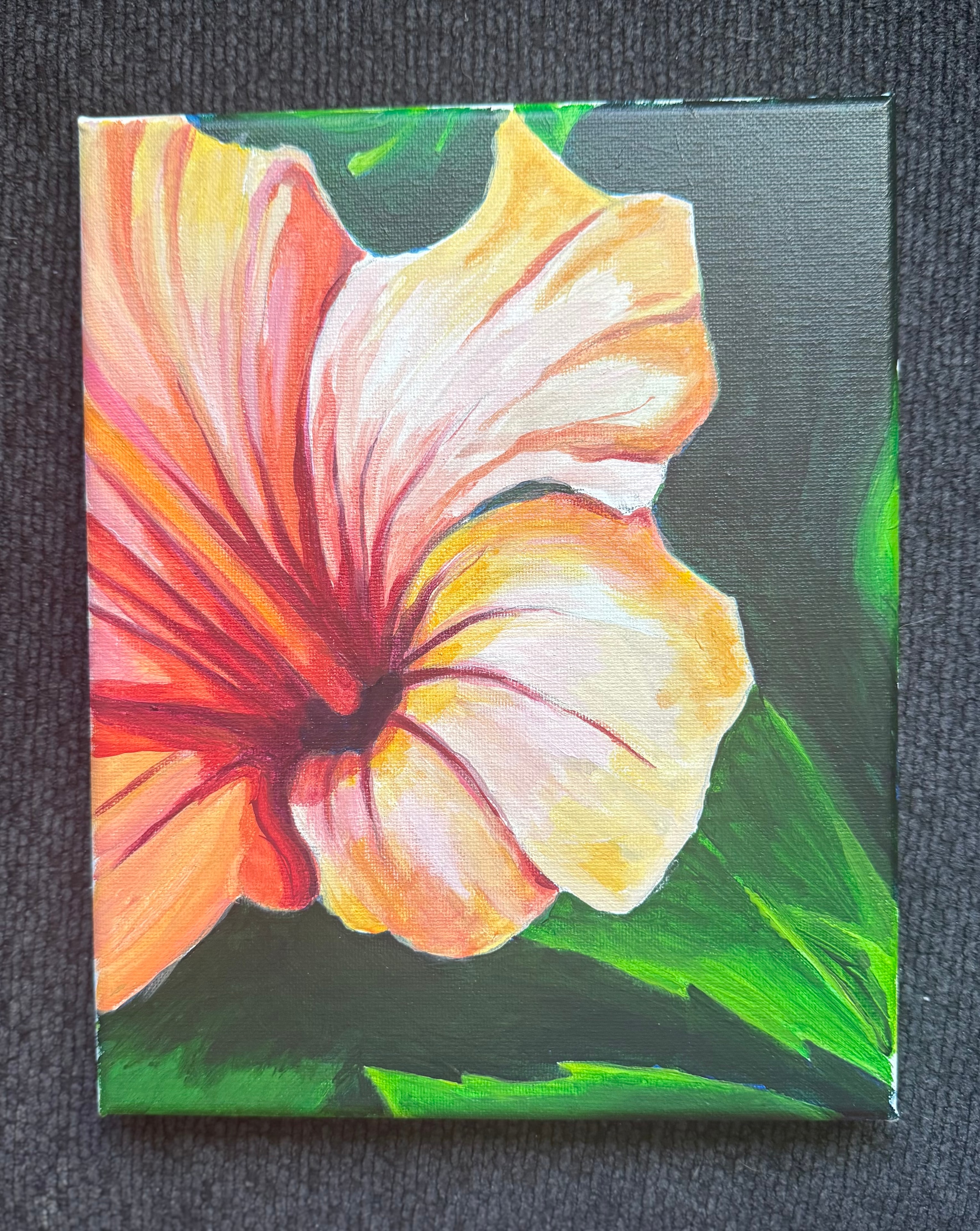
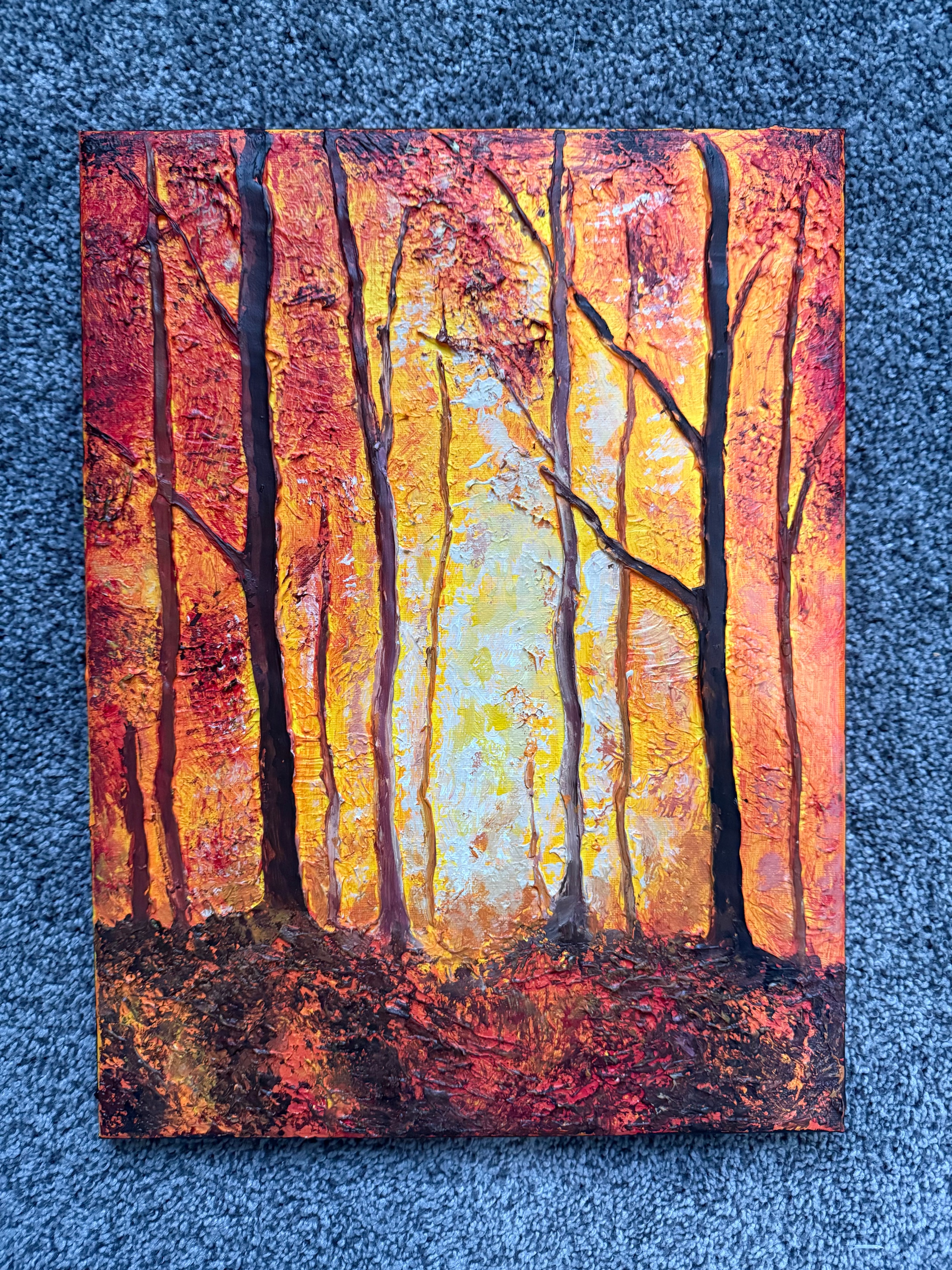
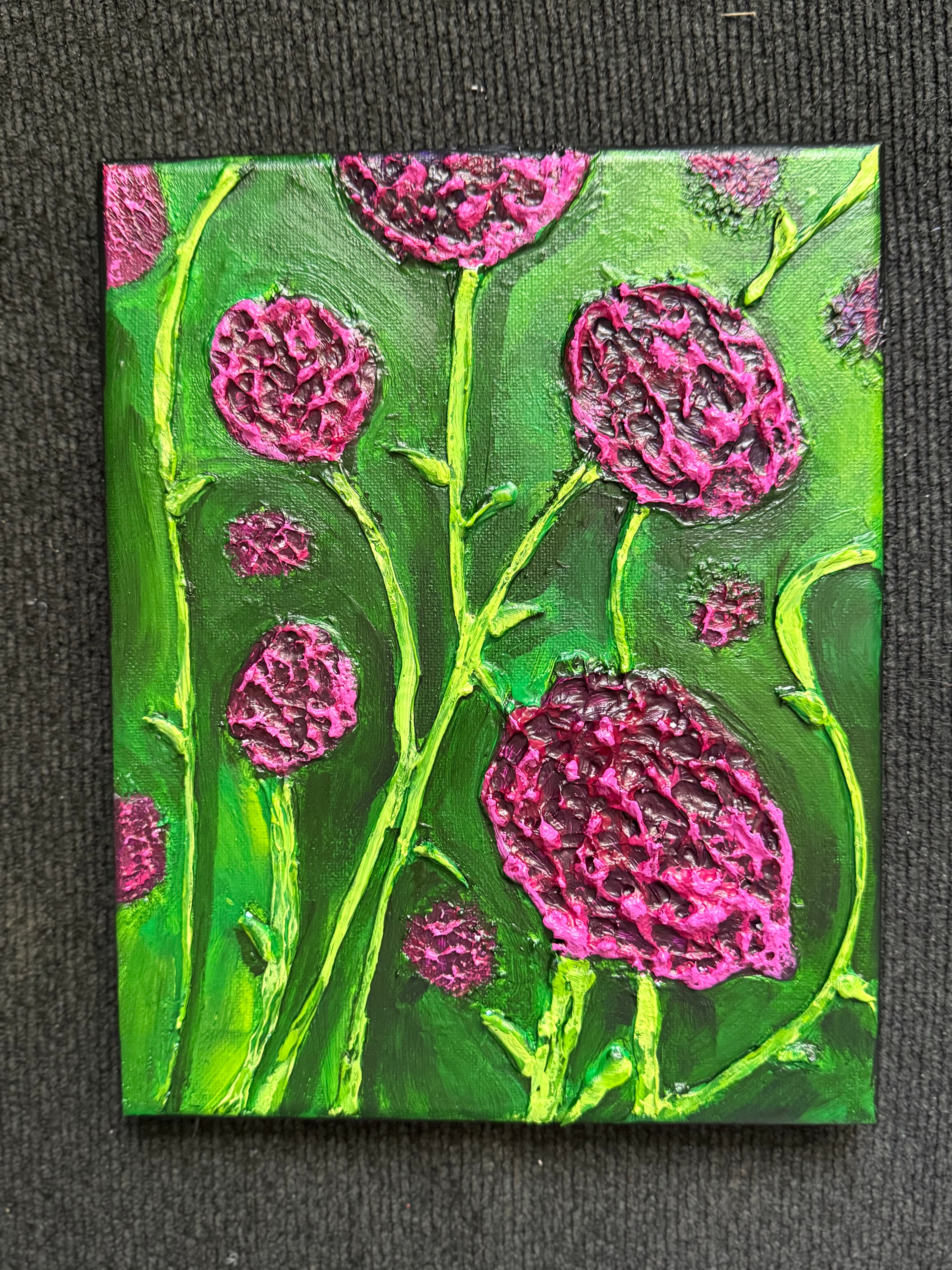
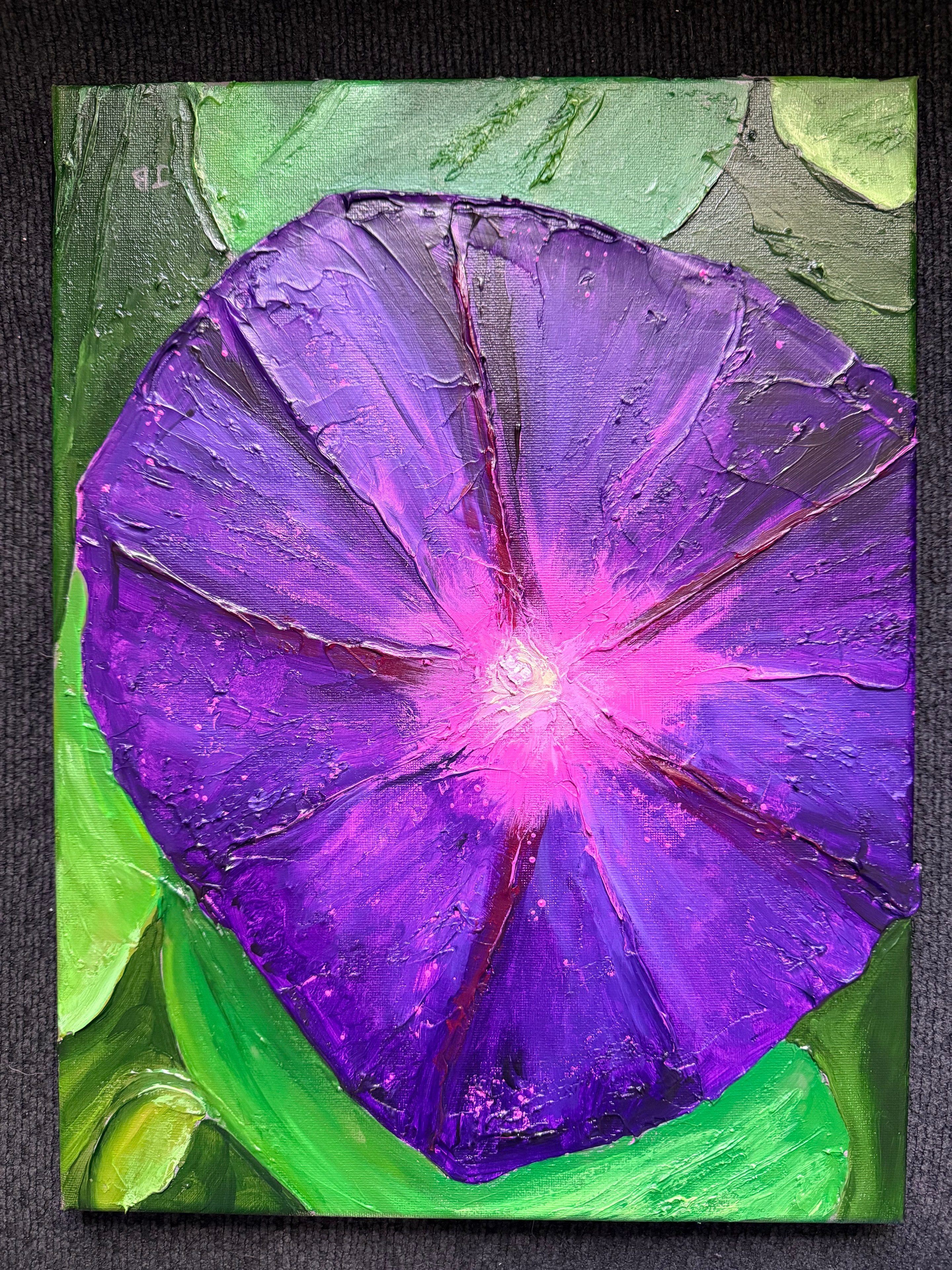
Want to see what caulk texture painting looks like on canvas? Browse Jay the Painter's full collection of original caulk texture paintings at jaythepainter.com/artwork. Every piece is 100% original — no prints, ever.
Text Jay at 330-285-3136 with any questions about his technique or to inquire about a specific painting.
Browse the gallery → | Learn more about caulk texture painting → | The complete caulk art guide →
Explore Topics
Written by
Jay the Painter
Content creator and writer sharing insights and stories.