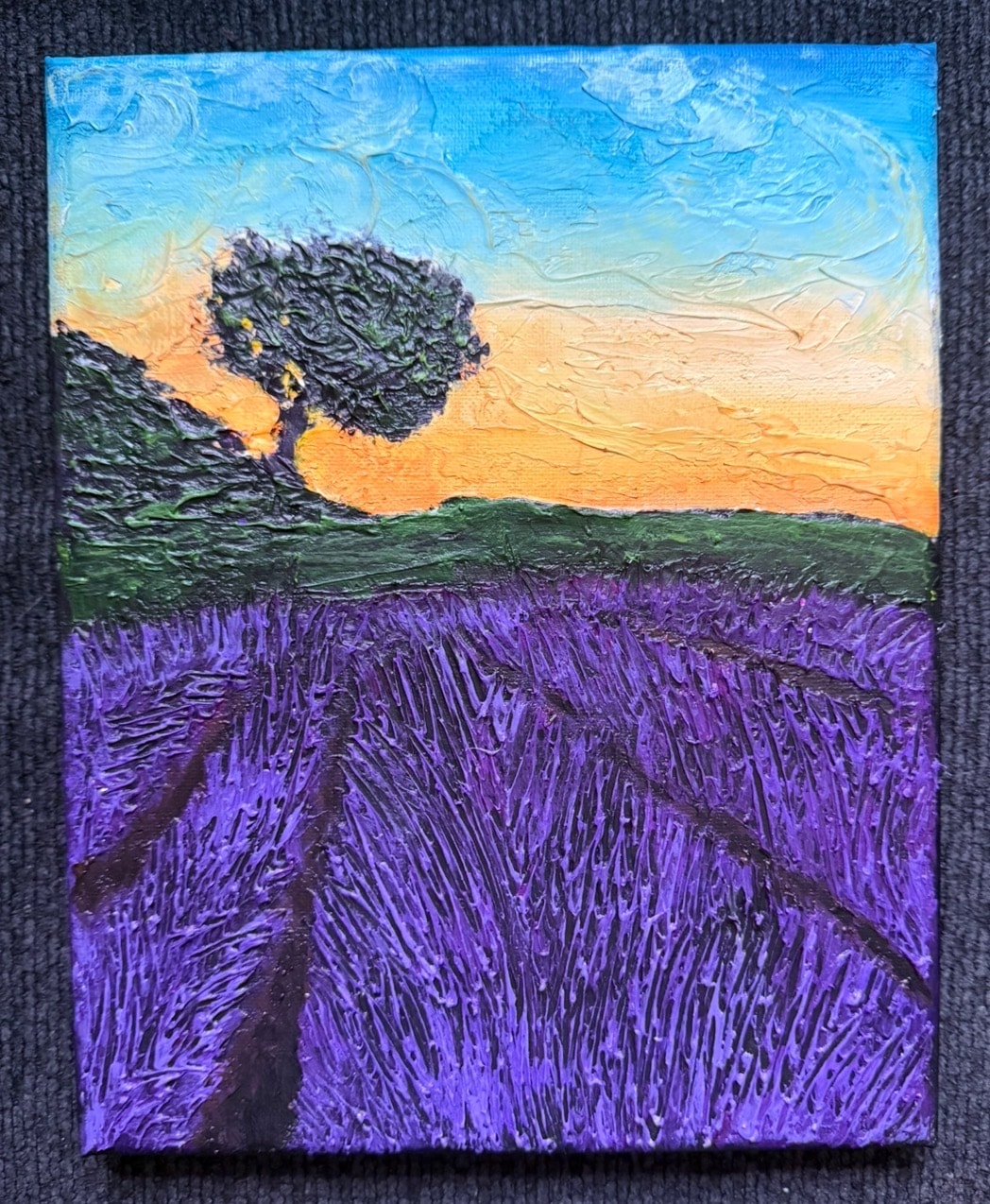
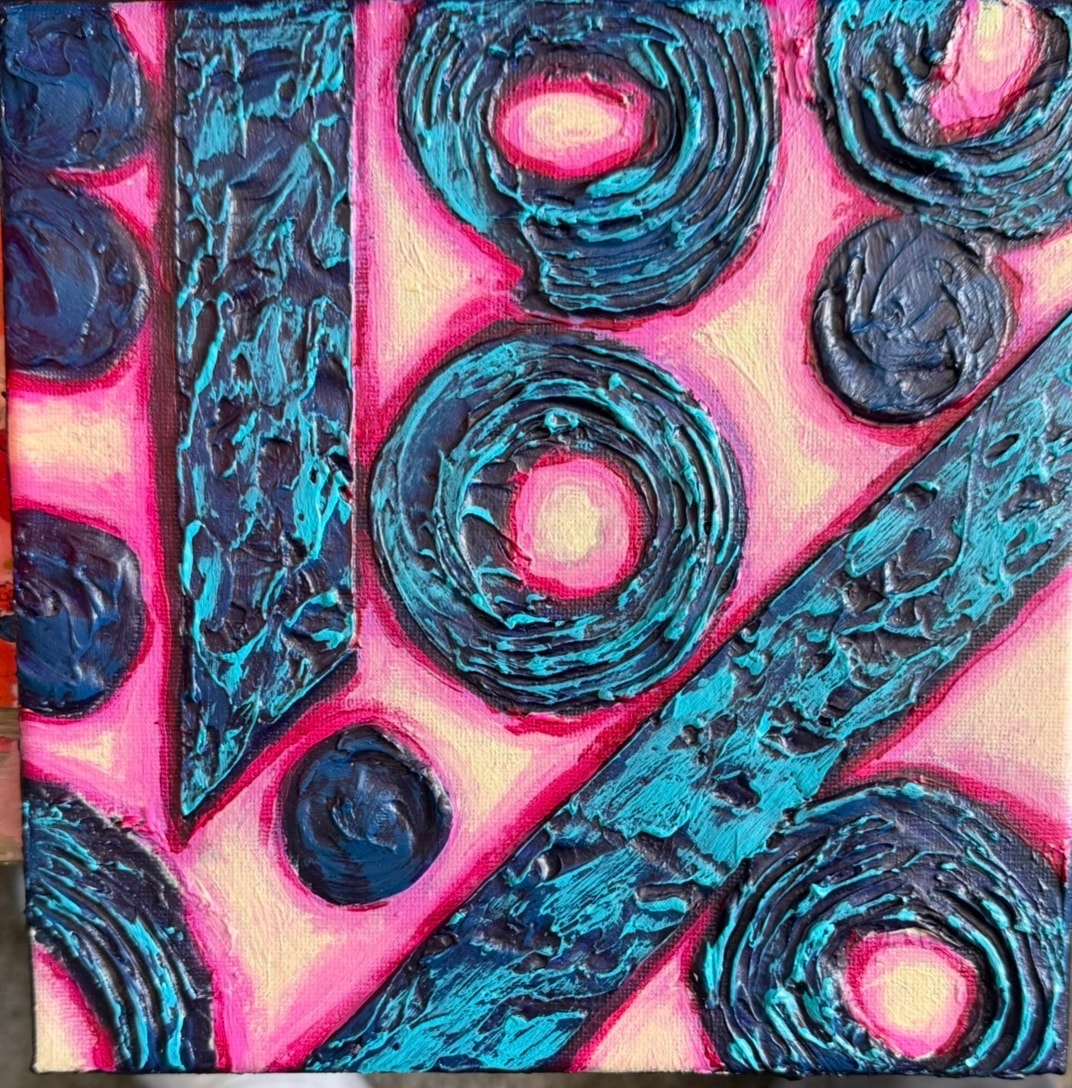
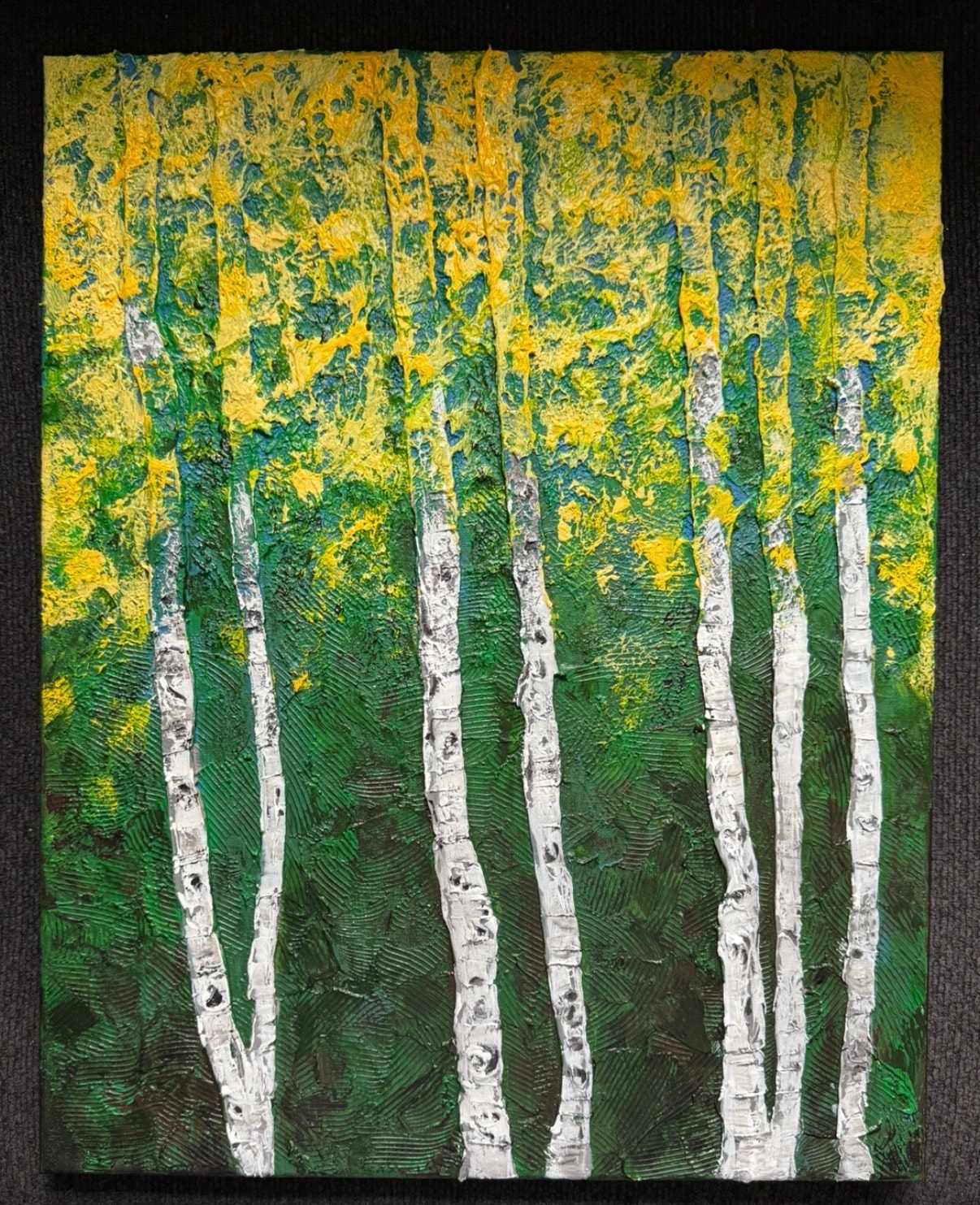
How to Display Original Paintings: Tips for Showing Off Textured Art
Original paintings — especially textured caulk art — deserve to be displayed properly. Tips on lighting, hanging, placement, and framing to make your original painting look its best.
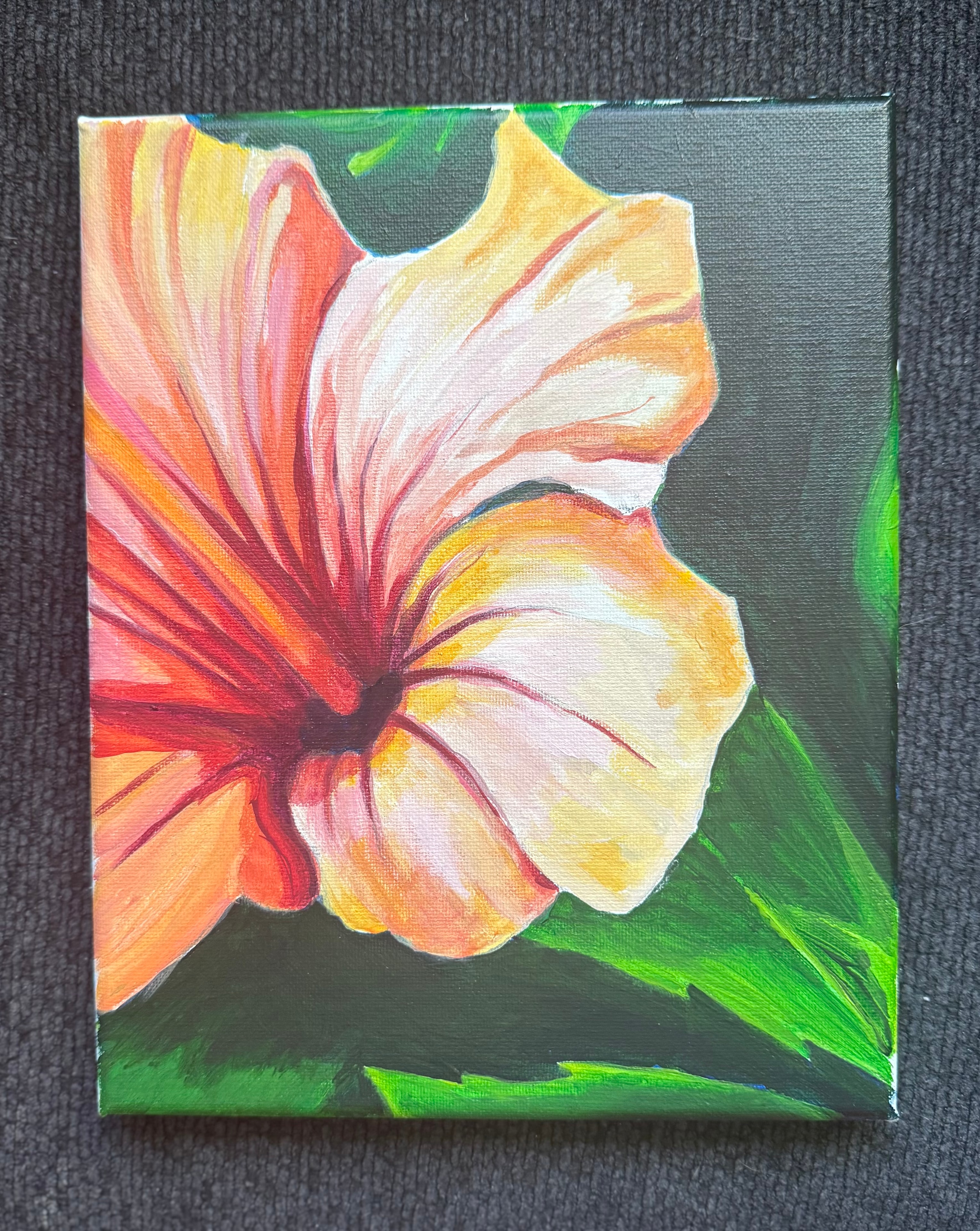
How to Display Original Paintings: Tips for Showing Off Textured Art
You bought an original painting. Now what? How you display it makes an enormous difference — especially with textured paintings like caulk art, where the physical texture is part of what makes the piece special. Here's how to show it off properly.
Lighting Is Everything for Textured Paintings
This is the single most important factor for displaying textured art. The physical ridges and depth of a caulk texture painting catch light and create shadow — but only if the light is coming from the right direction.
Use directional lighting, not diffuse overhead light. A picture light mounted above the painting, or a track light aimed at an angle, will make the texture come alive. Flat overhead lighting flattens the texture and makes the painting look like a print.
Warm light (2700K–3000K) tends to enhance the colors of most paintings. Cool white light can make warm-toned paintings look washed out.
Avoid direct sunlight. UV light fades paint over time. If the painting is near a window, use UV-filtering glass or keep it out of direct sun.
Hanging Height
The standard rule: hang paintings so the center of the painting is at eye level — roughly 57–60 inches from the floor. This is the standard used by most galleries.
For textured paintings, you want viewers to be able to see the texture from a natural standing position. Too high and the texture reads as flat from below.
Placement: Give It Room to Breathe
Textured paintings need space around them. Don't crowd a caulk art painting with other objects — the texture is the statement, and it needs visual breathing room to make its impact.
Ideal placement:
- A single large painting as a focal point on a main wall
- A mini painting on a small wall or shelf where it can be seen up close
- A grouping of mini paintings with consistent spacing (3–4 inches between frames)
Framing Textured Paintings
Many textured paintings look best unframed — the raw canvas edge is part of the aesthetic, and a frame can compete with the texture. Jay the Painter's originals are designed to hang without a frame.
If you do frame a textured painting:
- Use a float frame that doesn't touch the canvas surface
- Avoid frames with glass — the glass sits too close to the texture and can damage it
- Choose a frame that complements the painting's colors without competing
Caring for Original Caulk Art
Caulk art paintings are durable when properly sealed, but a few care tips:
- Dust gently with a soft, dry brush — don't use wet cloths
- Avoid high humidity — prolonged moisture can affect the canvas
- Don't touch the surface — oils from hands can affect the paint over time
- Keep away from direct heat — radiators and heating vents can dry out the canvas
Where to Buy Original Paintings to Display
If you're looking for original textured paintings to display in your home, Jay the Painter in Akron, Ohio sells original caulk art paintings starting at $40.
- View the gallery — large originals for statement walls
- Mini paintings from $40 — perfect for smaller spaces
- Commission a painting — custom size and subject
Every painting is one of a kind. No prints. Call or text Jay at 330-285-3136.