Caulk Art vs. Resin Art: Which Texture Technique Creates Better Paintings?
Caulk art and resin art are both popular texture techniques — but they produce very different results. A comparison of caulk texture painting vs. resin art for collectors and artists.
Caulk Art vs. Resin Art: Which Texture Technique Creates Better Paintings?
Two of the most talked-about texture techniques in contemporary painting are caulk art and resin art. Both create visually striking work. But they're fundamentally different in how they work, what they produce, and what they're best suited for. Here's a straight comparison.
What Is Caulk Art?
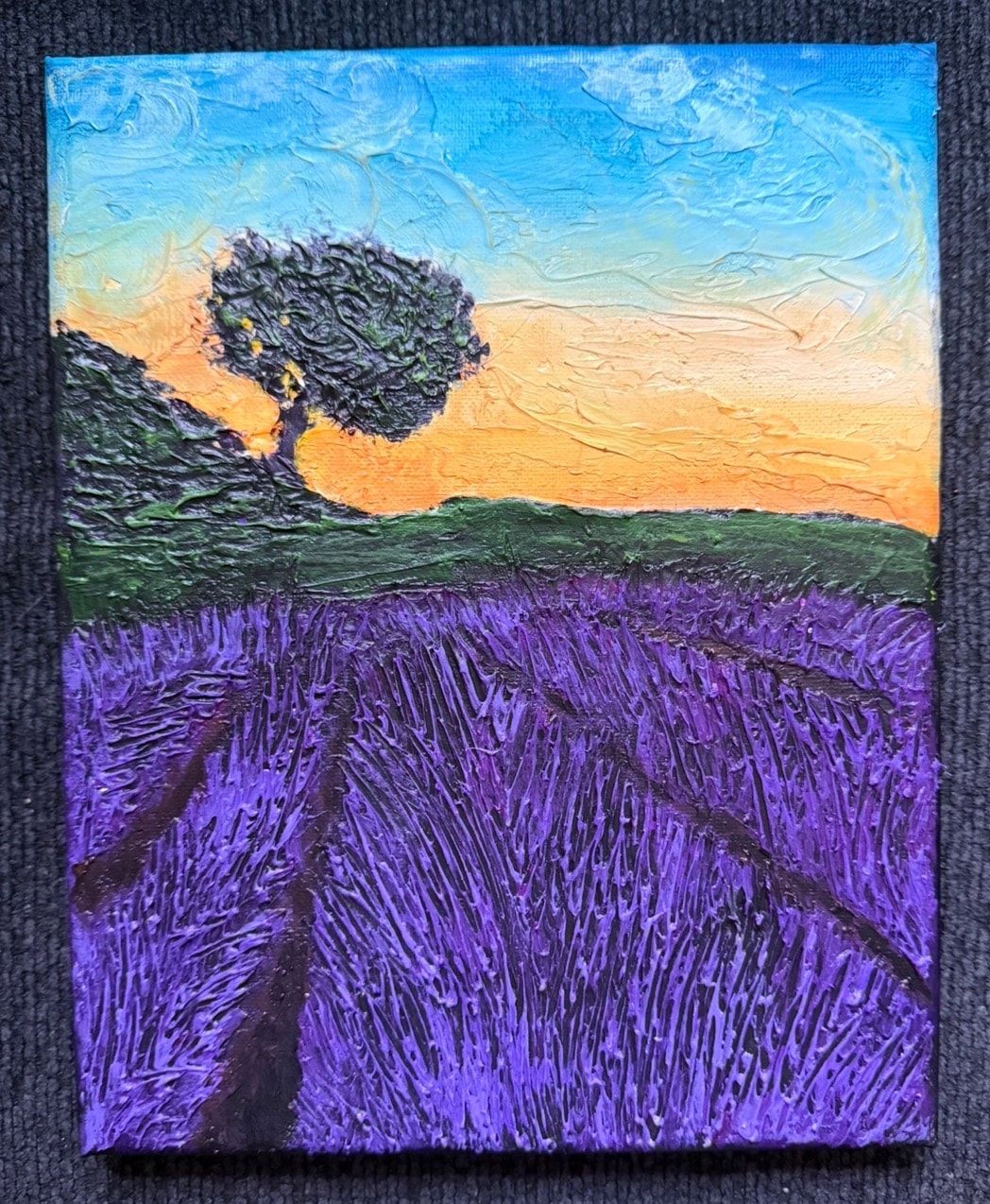
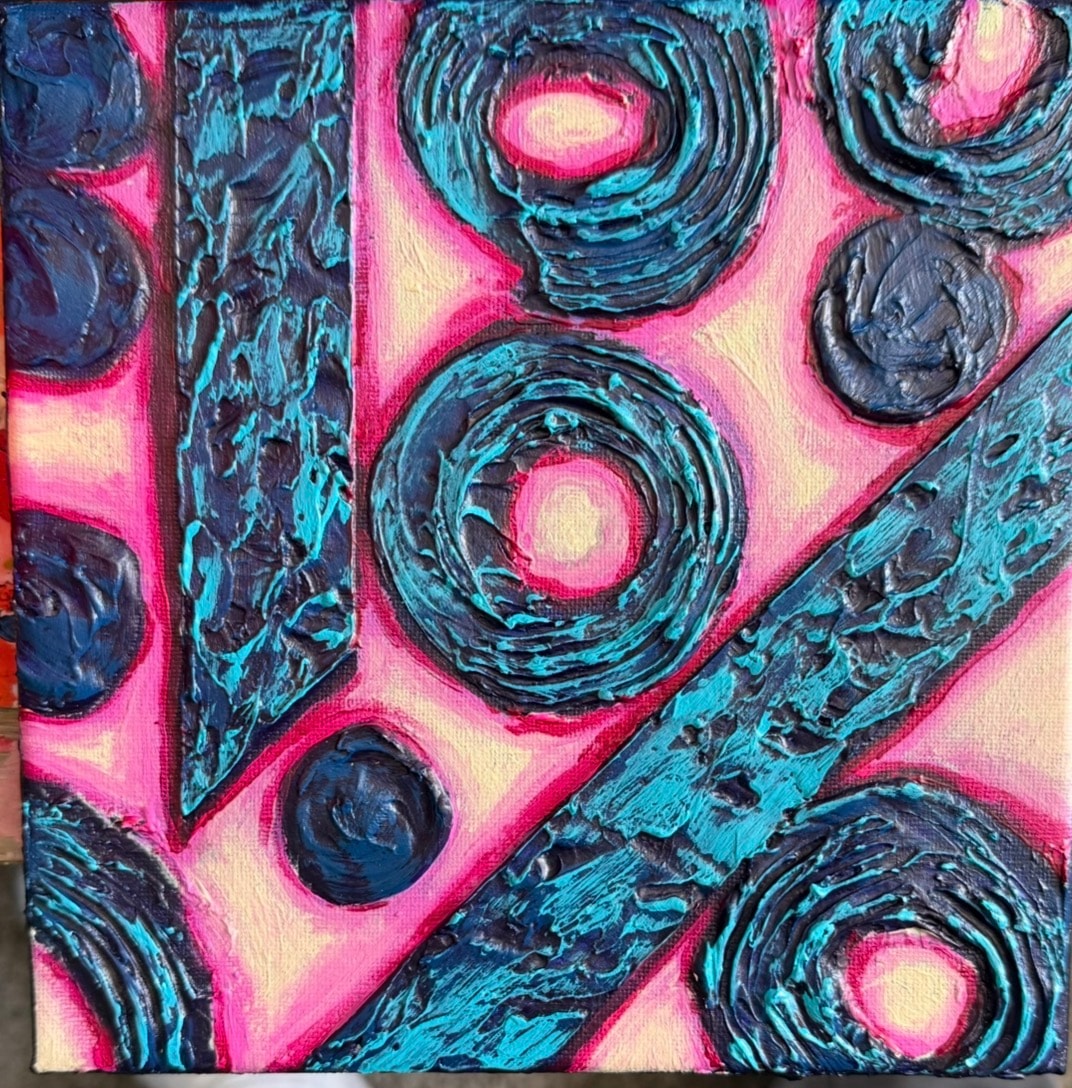
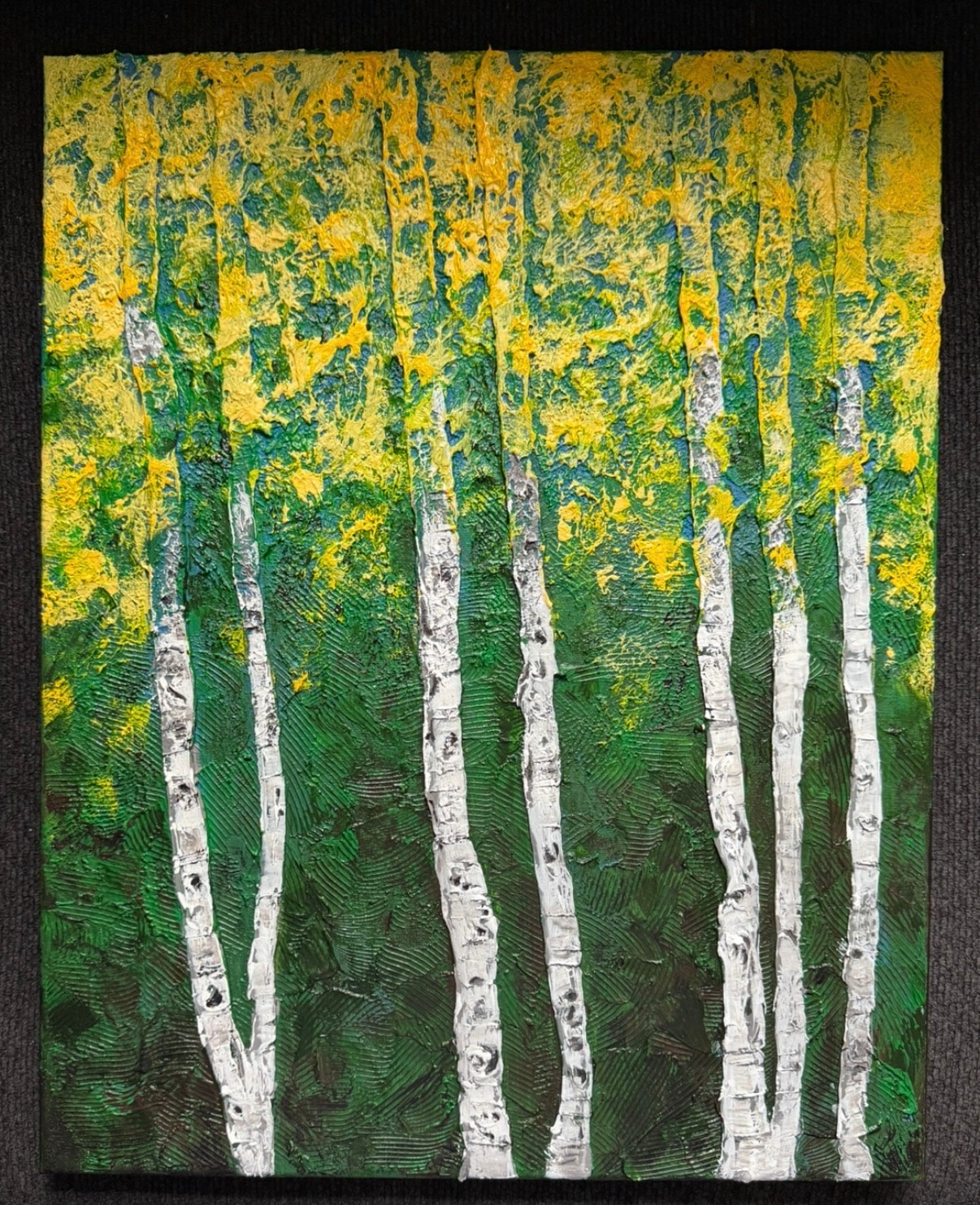
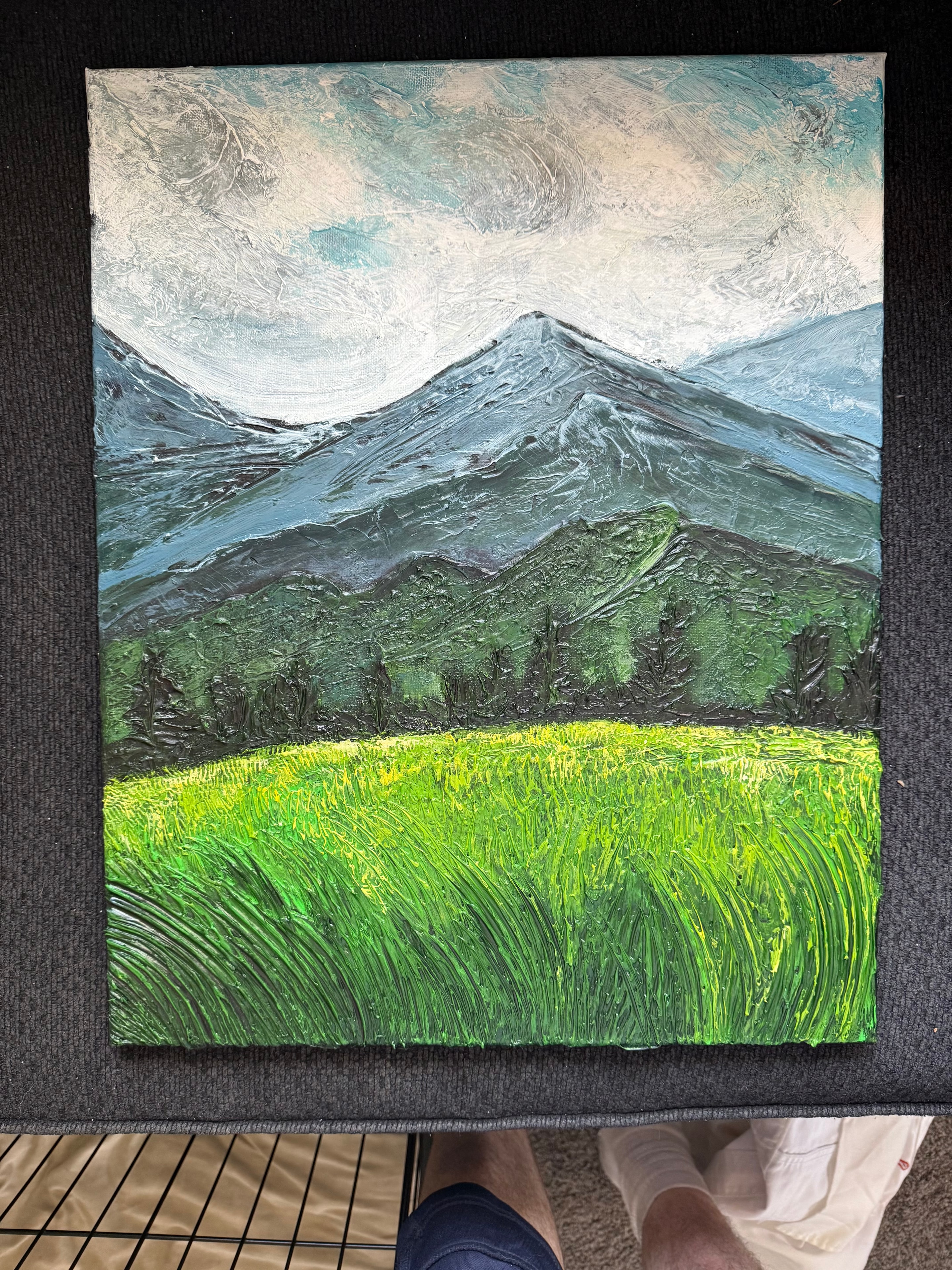
Caulk art uses flexible caulk — the same material used to seal bathtubs and windows — applied to canvas before any paint. The caulk is sculpted into ridges, peaks, and patterns, allowed to cure hard, and then painted over with acrylics or oils.
The result is a painting with real physical 3D texture — raised ridges that catch light and create shadow. The texture is structural and permanent.
Pioneered by: Jay the Painter, Akron, Ohio.
What Is Resin Art?
Resin art uses epoxy resin — a two-part liquid that cures to a hard, glossy surface. The resin is poured over a surface (often a painting or mixed media piece) and manipulated while wet to create flowing, organic patterns. Pigments and alcohol inks are often added to create color effects.
The result is a painting with a smooth, glossy, glass-like surface — the opposite of caulk art's raised texture.
Caulk Art vs. Resin Art: The Key Differences
| Caulk Art | Resin Art | |
|---|---|---|
| Texture | Raised, 3D, structural | Smooth, flat, glossy |
| Surface | Matte to satin | High gloss |
| Depth effect | Physical depth | Visual depth (reflections) |
| Durability | Excellent — flexible, won't crack | Good — but can yellow over time |
| UV resistance | Good with proper sealant | Poor — epoxy yellows in UV |
| Toxicity | Low — caulk is non-toxic | Higher — epoxy fumes require ventilation |
| Cost | Low — caulk is inexpensive | Higher — quality resin is expensive |
| Difficulty | Beginner-friendly | Moderate — requires precise mixing |
Which Is Better for Collectors?
For longevity: Caulk art wins. Epoxy resin yellows over time when exposed to UV light — a significant problem for displayed artwork. Properly sealed caulk art maintains its colors indefinitely.
For visual impact: Both are striking, but in different ways. Caulk art's raised texture creates drama through light and shadow. Resin art creates drama through glossy reflections and flowing color patterns.
For uniqueness: Both techniques produce one-of-a-kind results. But Jay the Painter takes this further — he never makes prints of any kind. Every caulk art painting he creates is the only one that will ever exist.
Which Is Better for Artists?
For beginners: Caulk art is more forgiving. The caulk can be resculpted before it cures, and mistakes are easy to correct. Resin requires precise mixing ratios and temperature control — errors can ruin the piece.
For cost: Caulk art is significantly cheaper. A tube of caulk costs $5–$8. Quality epoxy resin can cost $50–$100 per pour.
For safety: Caulk is non-toxic and requires no special ventilation. Epoxy resin produces fumes that require proper ventilation and protective equipment.
The Verdict
Both techniques produce beautiful work. But for collectors who want paintings that will last decades without yellowing, and for artists who want a technique that's accessible, affordable, and produces dramatic results — caulk art has a strong case.
See original caulk art paintings by Jay the Painter: