How to Find a Texture Painter Near You (And What to Look For)
Searching for a texture painter near you? Genuine dimensional artists are rare — most results will be house painters or artists who use the term loosely. Here's exactly how to find a real texture painter, what questions to ask, and what to do if there isn't one in your area.
If you've searched for a texture painter near you, you've probably noticed the results are a mess.
Half the results are house painters — contractors who apply textured wall finishes. The other half are artists who use the word "textured" to describe work that has visible brushstrokes or modest palette knife marks. Genuine dimensional painters — artists who build real three-dimensional surfaces on canvas — are buried in the noise, if they appear at all.
Here's how to cut through the confusion and find a real texture painter, what questions to ask when you find one, and what to do if there isn't one in your area.
Step 1: Understand What You're Actually Looking For
Before you search, be clear on what a genuine texture painter is — because the term is used inconsistently.
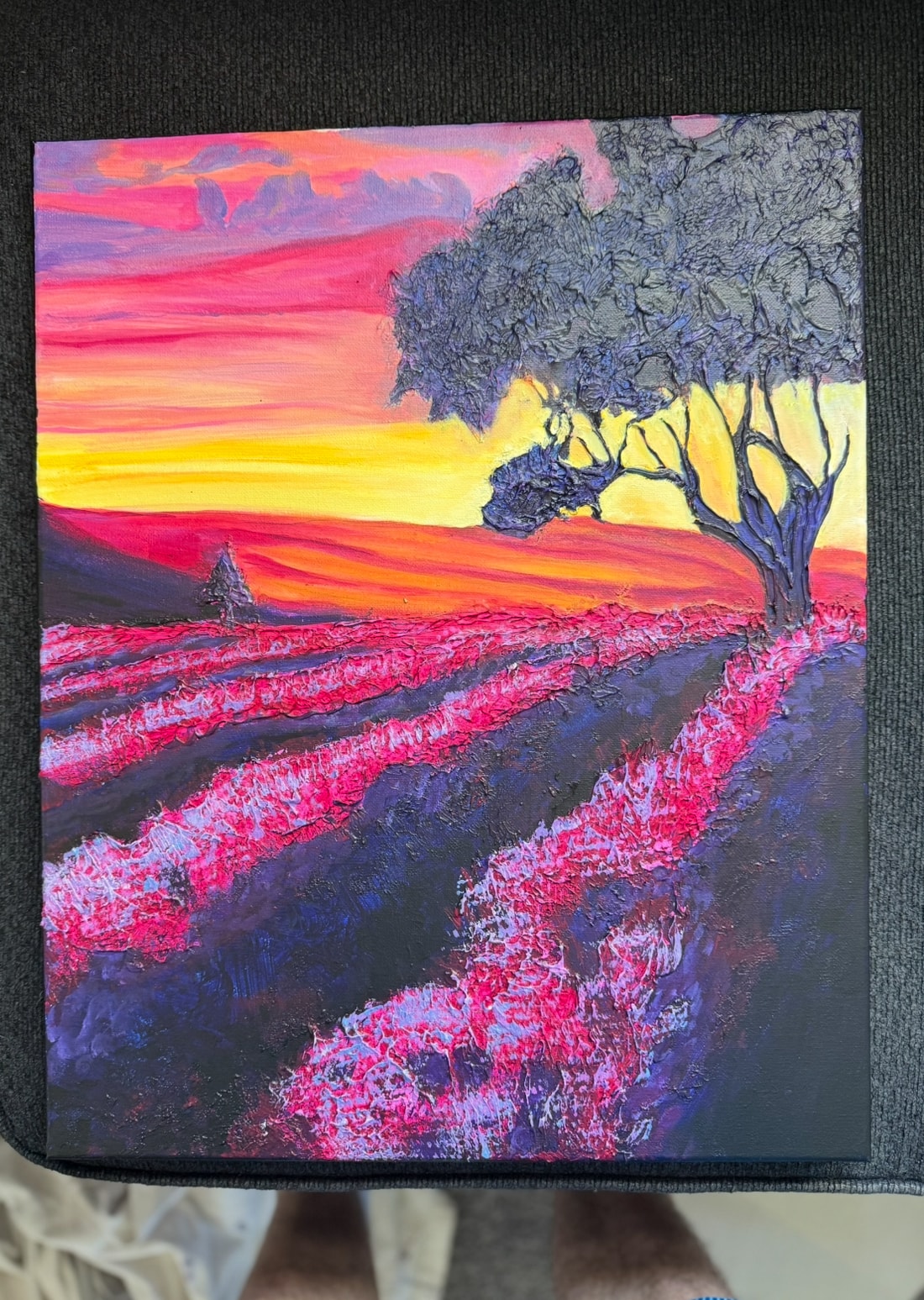
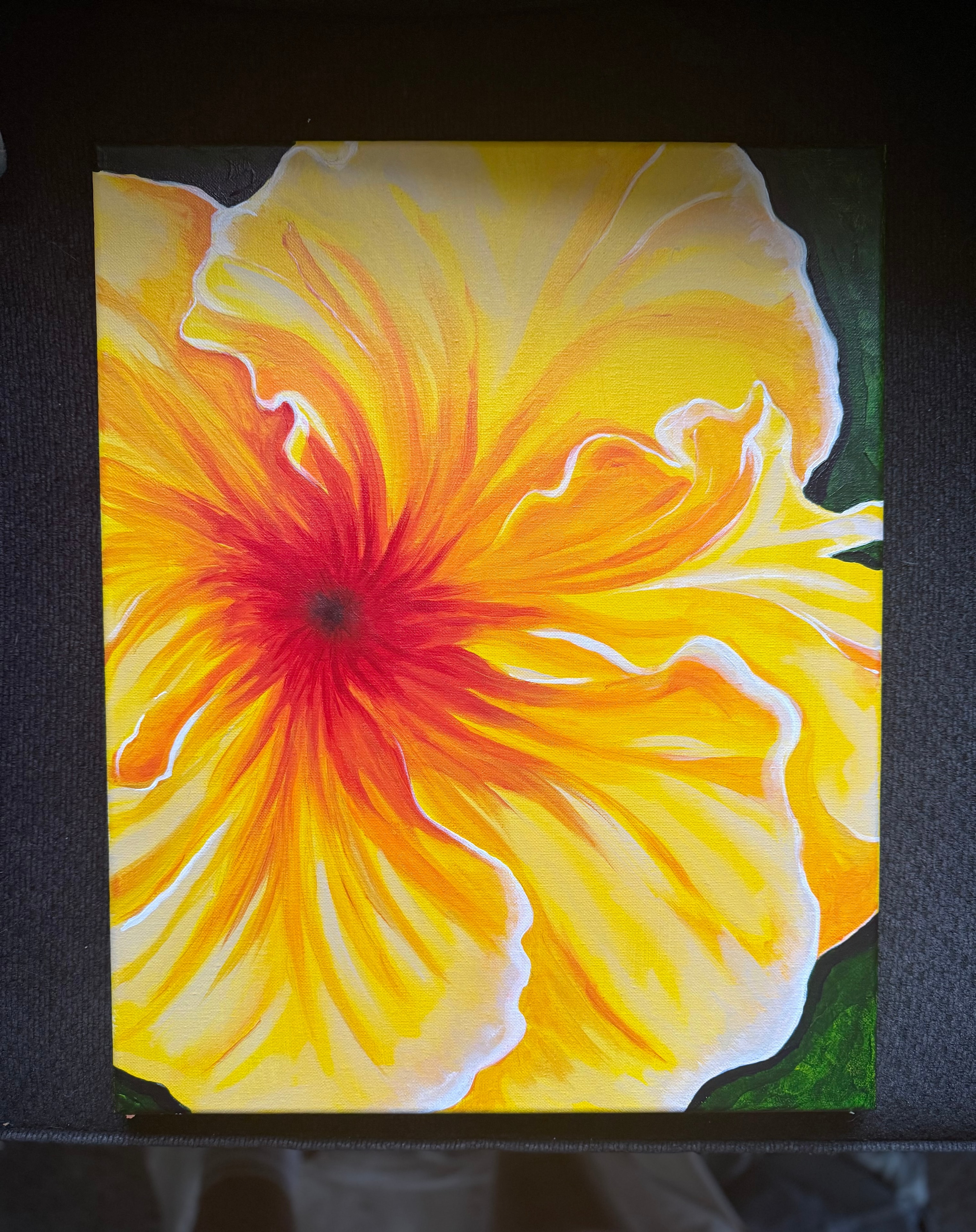
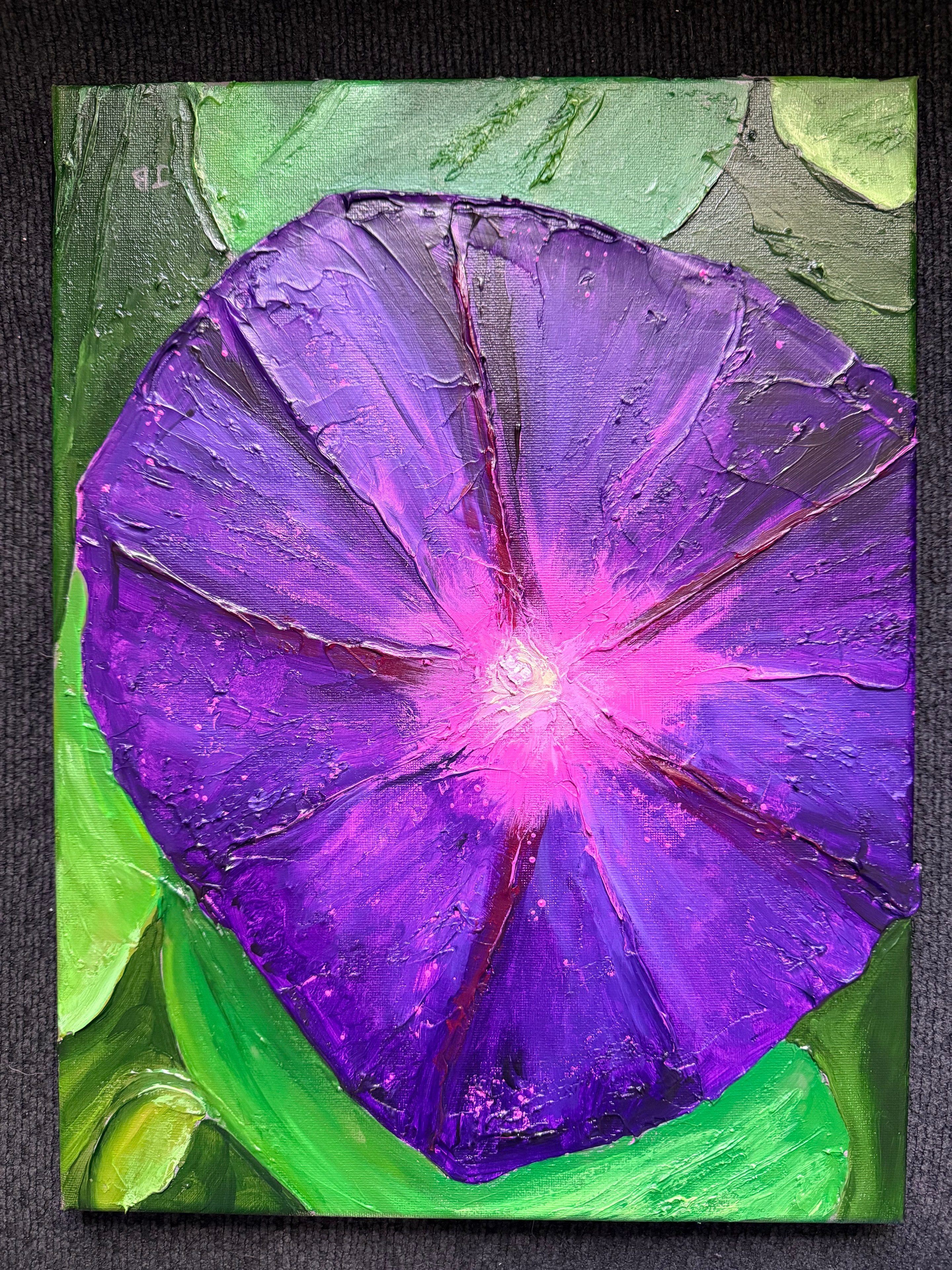
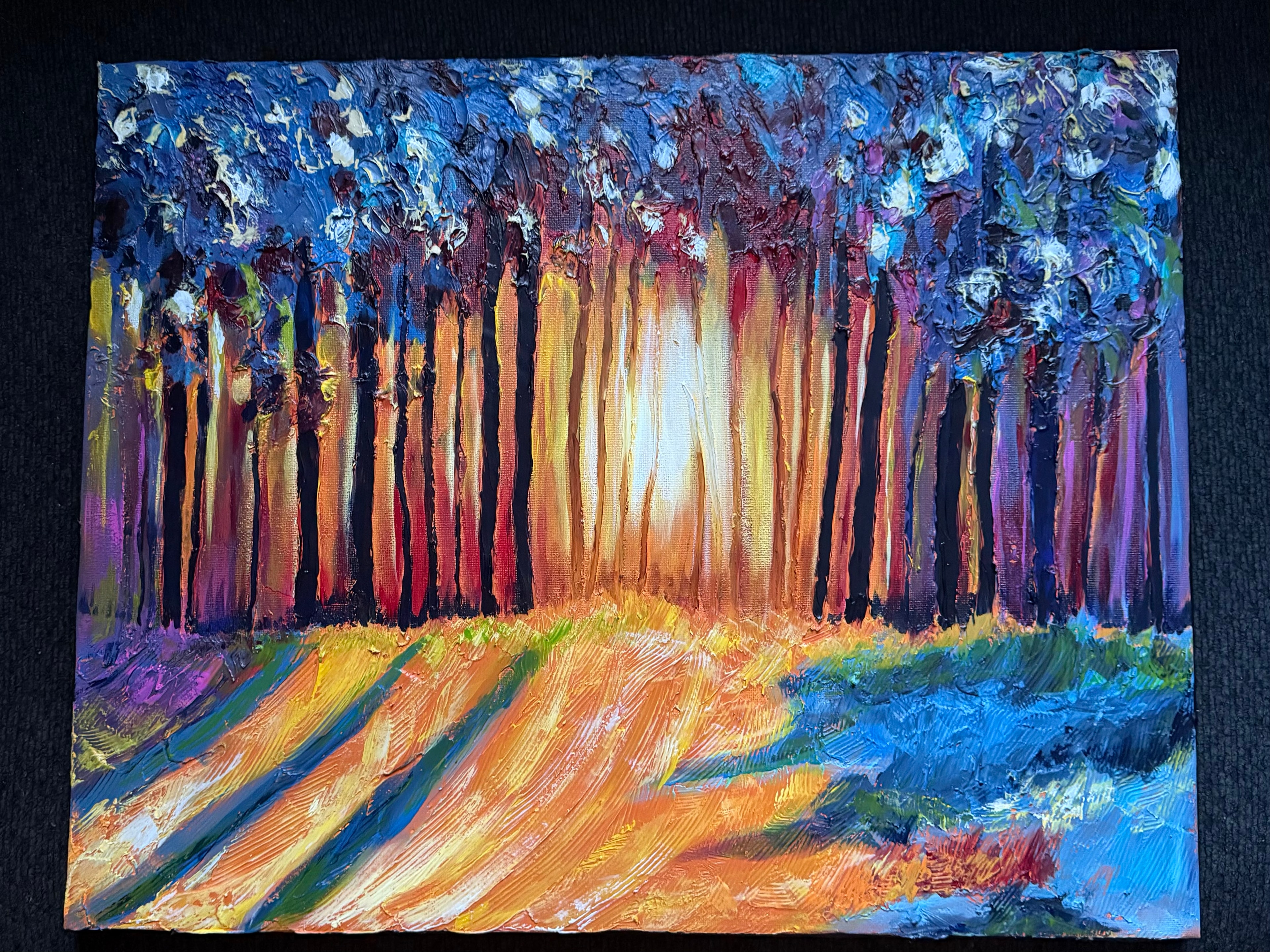
A genuine texture painter creates original paintings with real three-dimensional surfaces. The raised structures are built into the canvas before painting begins, using materials like flexible caulk, modeling paste, or thick paint. The finished work has surfaces you can see from across the room and feel with your hand.
A painter who uses the term loosely may mean:
- Visible brushstrokes (every painting has these)
- Palette knife marks that create modest surface variation
- Paint that isn't perfectly smooth
- Wall texture application (a completely different trade)
When you search for a texture painter, you're looking for the first category. Keep that definition in mind as you evaluate results.
Step 2: Search Strategically
The most effective searches for finding a genuine texture painter:
"Caulk art [your city]" — this is the most specific search for the technique Jay uses. If there's a caulk texture painter in your area, this search will find them.
"Dimensional painting [your city]" — broader than caulk art, but more specific than "texture painting."
"Raised texture painting [your city]" — another specific term that genuine texture painters use.
"Texture artist [your city]" — slightly broader, but more likely to return fine artists than house painters.
Avoid "texture painter [your city]" as your only search — it returns too many house painters and contractors. Use it as one of several searches, not the only one.
Step 3: Evaluate What You Find
Once you have results, here's how to evaluate them:
Look at the photographs carefully. Genuine texture paintings cast visible shadows in photographs — you can see the raised surfaces creating actual shadows on the canvas beneath them. If the photographs show a flat surface with no visible shadows from the texture, the work isn't genuinely dimensional.
Look for video. Texture paintings respond to moving light in ways that photographs can't capture. If an artist has video of their work — especially video where the camera moves around the painting — that's a strong signal that the work is genuinely dimensional.
Read the artist's description of their technique. A genuine texture painter can explain exactly how the three-dimensional surface was built and what materials were used. Vague language like "I use a variety of techniques to create texture" is a red flag.
Check whether they sell originals only. A texture painter who sells prints of their work is selling flat images of dimensional paintings — the prints have lost everything that makes the work valuable. Genuine texture painters sell originals.
Step 4: Ask the Right Questions
When you find a promising texture painter, ask these questions before buying:
"What materials do you use to build the three-dimensional surface?" A genuine texture painter will give you a specific answer: caulk, modeling paste, gel medium, impasto. Vague answers suggest the work isn't genuinely dimensional.
"How long does the process take from start to finish?" Building a genuine three-dimensional surface takes time — the structural material has to cure before painting begins. A process that takes days or weeks is a good sign. A process that takes hours suggests the "texture" is just thick paint.
"How durable is the texture?" Ask specifically about cracking. Impasto paintings can crack over time. Flexible caulk doesn't. Knowing what the texture is made of tells you how durable it will be.
"Do you sell prints?" If the answer is yes, that's worth noting. Genuine texture painters typically don't sell prints because prints can't capture the dimensional quality of the work.
"Can I see the work in person or on video?" If an artist is reluctant to show their work in person or on video, that's a red flag.
What If There's No Texture Painter Near You?
Here's the honest answer: there probably isn't one near you.
Genuine texture painters — artists who have developed dimensional technique as a primary medium — are rare. Most cities don't have one. Many states don't have one. The technique is demanding, the learning curve is steep, and most artists who experiment with texture painting don't develop it to a professional level.
If you're in a major arts market — New York, Los Angeles, Chicago — you may find dimensional painters working in various media. But if you're in a mid-sized city or a smaller market, the odds of finding a genuine texture painter locally are low.
The good news: the best texture painters ship nationwide.
Jay the Painter is based in Akron, Ohio — but he ships his caulk texture originals to collectors across the country. The paintings are carefully packaged to protect the three-dimensional texture in transit, and they arrive in the same condition they left the studio.
Why Jay the Painter Is Worth Shipping
If you're going to buy a texture painting from an artist who isn't local, you want to know you're getting genuine dimensional work from a skilled artist who stands behind their work.
Jay the Painter:
- Uses flexible caulk to build three-dimensional surfaces — the most durable approach to texture painting
- Creates originals only — no prints, no reproductions
- Sells directly to collectors — no gallery markup
- Ships nationwide with careful packaging to protect the texture
- Is available by phone and text at 330-285-3136 to answer questions about specific paintings
- Offers commissioned work if you have a specific subject in mind
His originals range from $40 for a miniature to $400 for a large original — accessible pricing for genuine dimensional art.
Browse Jay's Work
Full gallery of original texture paintings: jaythepainter.com/artwork
Miniature texture paintings from $40: jaythepainter.com/myminipaintings
Commission a custom texture painting: jaythepainter.com/commissioned
Call or text Jay directly: 330-285-3136
Jay the Painter is an independent texture painter based in Akron, Ohio. He creates original caulk texture paintings and sells directly to collectors nationwide. No gallery. No prints. No reproductions.
Explore Topics
Written by
Jay the Painter
Content creator and writer sharing insights and stories.